High Contrast Mode:

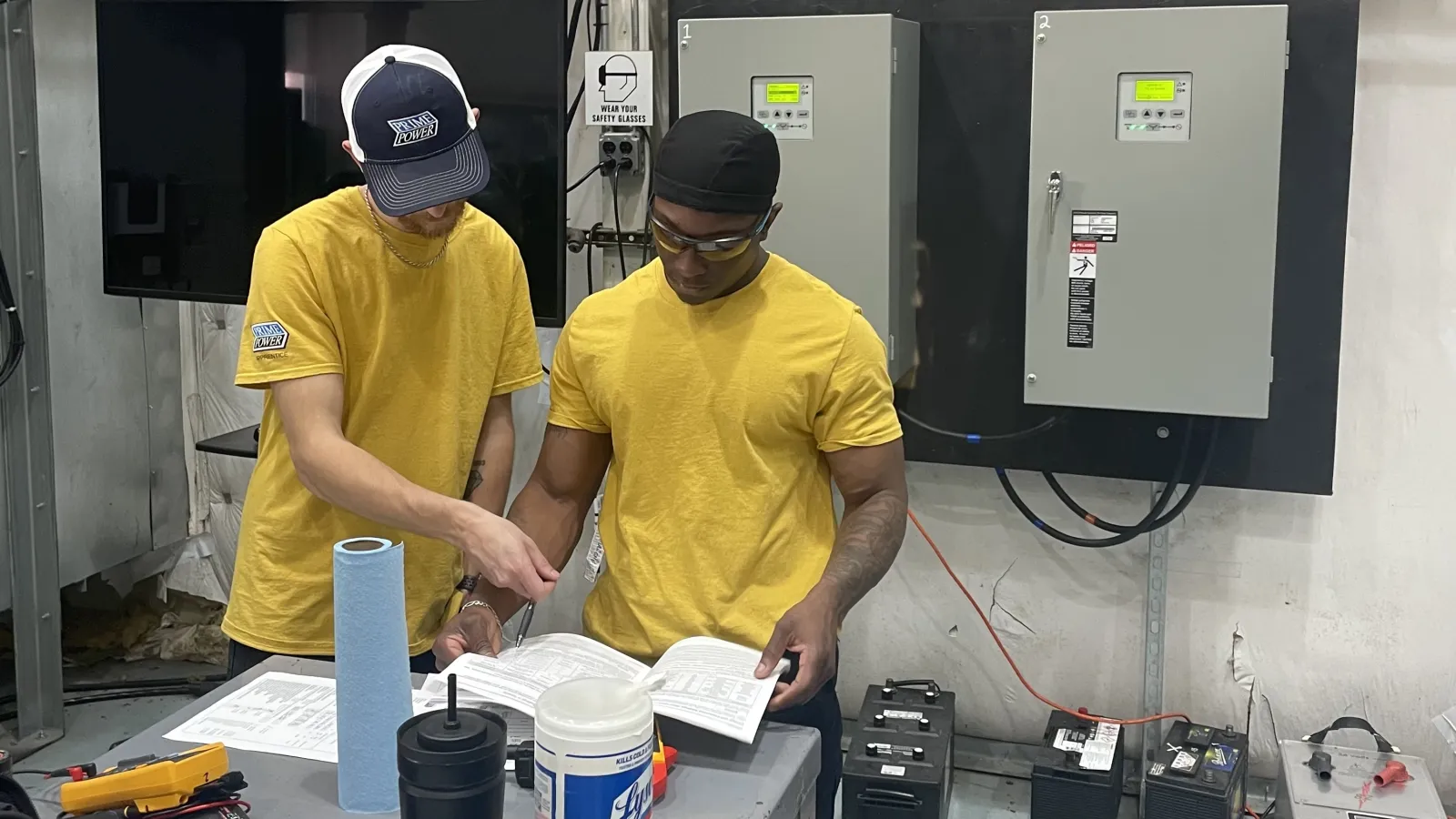
Technician inspecting and working on an industrial electrical control panel with circuit breakers and wiring.

Training Catalog

Training for Facility Managers, Hospital Engineers, and Power Generation Industry

Prime Power’s Emergency Power Awareness training programs are designed for facility managers, hospital engineers, and others in the power generation industry. 

These programs provide basic knowledge of codes and standards coupled with hands-on experience managing the emergency power systems in facilities.

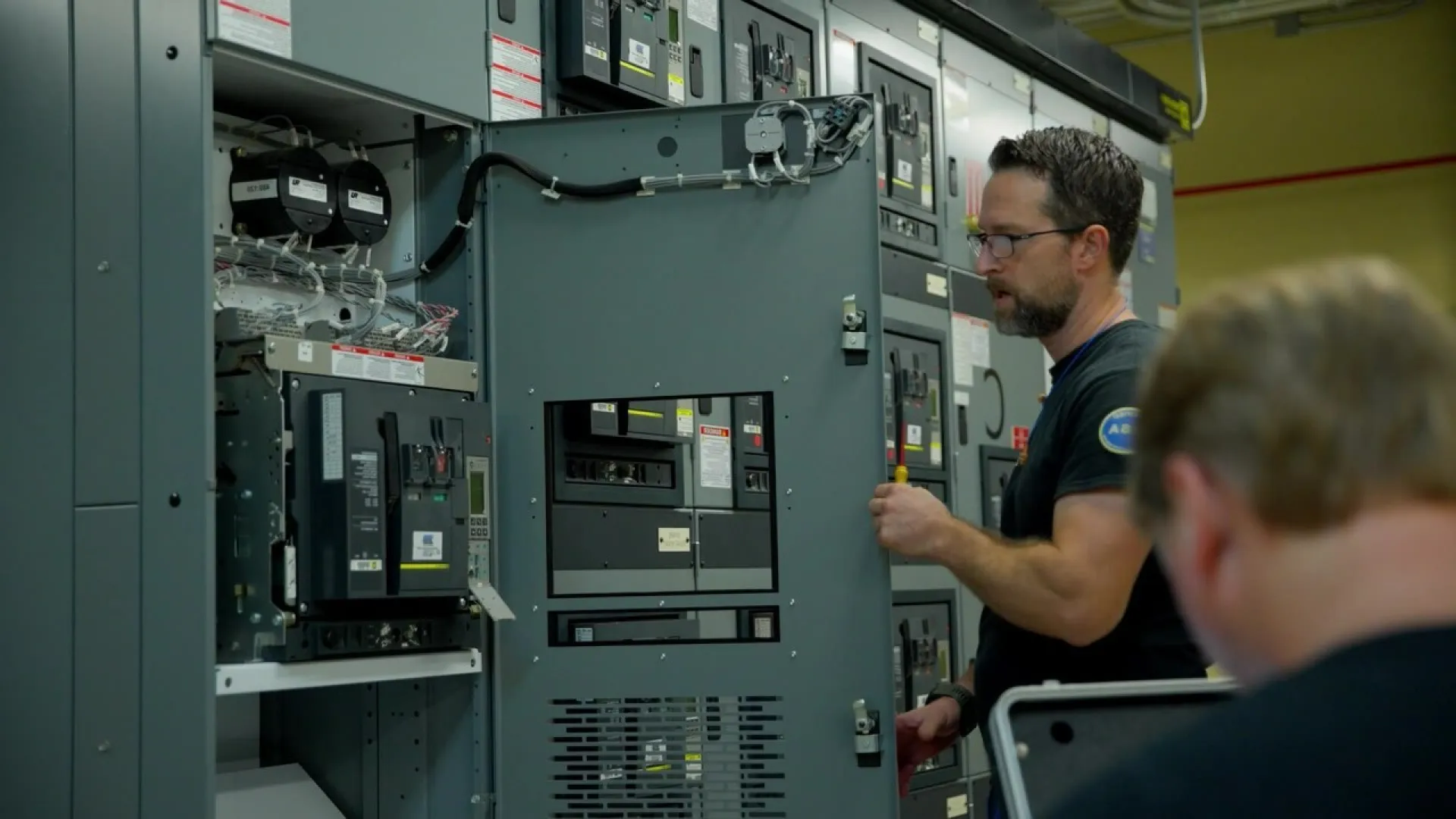
Two workers in yellow shirts reviewing manuals in an industrial setting with control panels and tools nearby

Emergency Power Awareness 
and Basic Operations

For Facility Managers (3 Days)

Prime Power designed this program to give a thorough and basic introduction to everything a facility manager needs to know about an emergency power supply system. Participants will learn basic terminology, NFPA 110 codes and standards, Job Safety Analysis (JSA), and electrical safety and arc flash safety.

In addition to basic diesel theory, participants will learn how to identify basic components of any generator (voltage regulators, governors, control panels, distribution and switchgear, coolant, fuel, and oil systems, and the electrical starting systems). After the course, participants will have a foundational understanding of the role and function of each of these components and first-hand experience starting, stopping, and assessing the condition of a working training generator.

Learning Objectives

Upon completing this course, trainees will:

  1. Be able to identify basic generator and power distribution components and devices
  2. Have experience based knowledge of electrical safety, PPE, and insulated tools that are specific to generators and power distribution systems commonly found within modern facilities
  3. Understand codes and standards specific to emergency power systems
  4. Understand how emergency power components fit into and work together to provide backup power during an outage
  5. Perform operation procedures with live equipment
  6. Identify key maintenance areas and common failure points


Max. 20 students

Min. 8 students
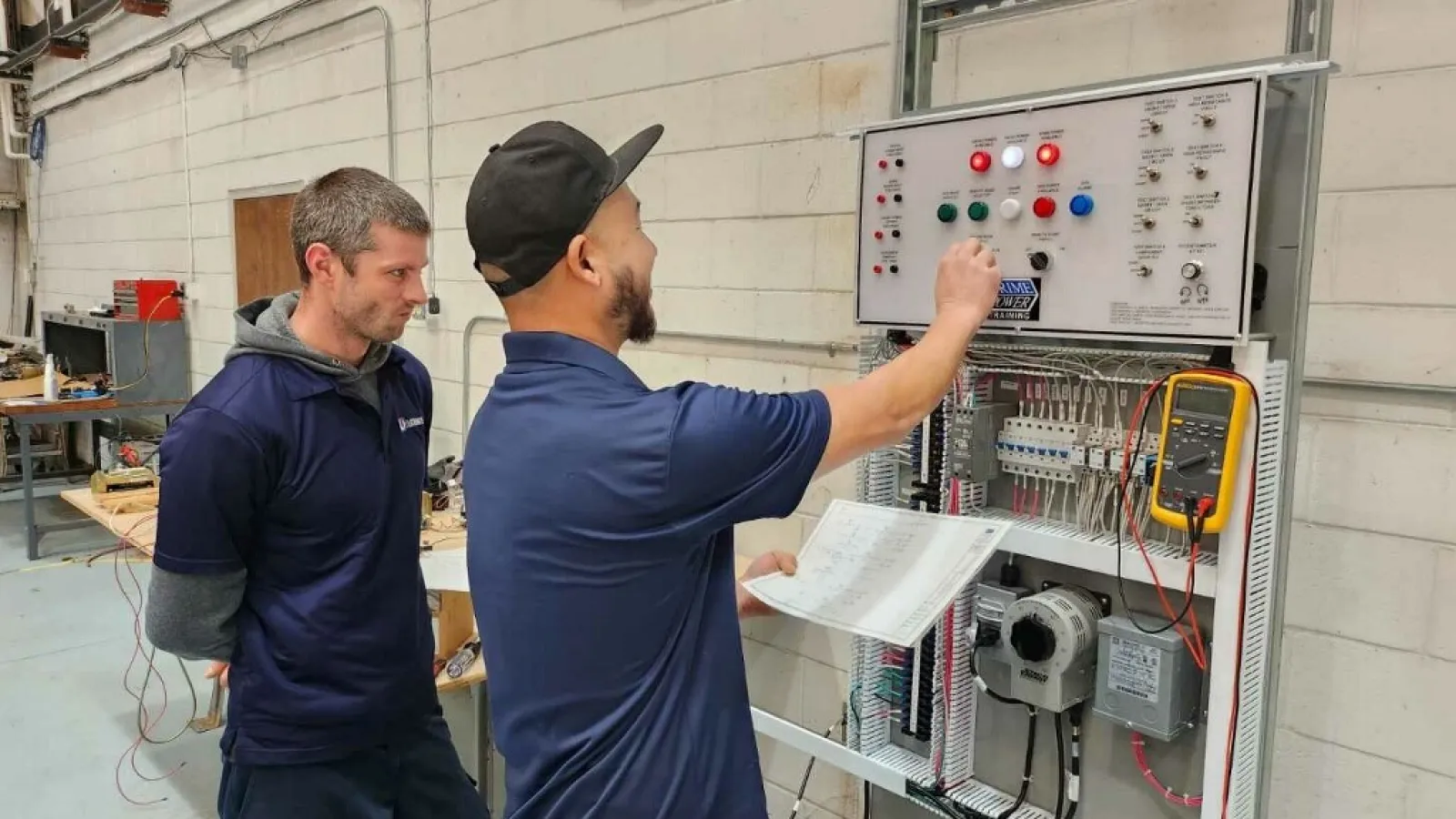
Two technicians working on an electrical control panel with tools and manuals in a workshop setting.

Emergency Power 
Awareness and Basic Operations

For Hospital Engineers (3 Days)

Prime Power designed this program to provide a basic, but thorough introduction to the core functions of a hospital's emergency power supply system and the codes and standards applicable to it. This program covers a wide range of skills including emergency power management, operation, and basic maintenance awareness in a hospital setting.

Participants will learn all NFPA-related wcodes and standards, Job Safety Analysis (JSA), life safety principles and equipment, electrical and arc flash safety, diesel theory and generator components, and trend analysis. After attending this program, participants will confidently be able to identify basic maintenance issues, common generator failure points, perform basic startup of a generator, assess the condition of the generator by performing a walk through and assess the safety conditions around it, and perform trend analysis during regular exercise.

Learning Objectives

Upon completing this course, trainees will:
  1. Be able to identify basic generator and power distribution components and devices
  2. Have experience-based knowledge of safety principles, JSA, PPE, and tools as they pertain to generators and power distribution systems in facilities
  3. Understand codes and standards specific to emergency power systems in a healthcare facility
  4. Understand how emergency power components fit into and work together to provide backup power during an outage
  5. Perform operation procedures with live equipment
  6. Describe life safety codes and standards as related to a hospital environment

Max: 20 students
Min: 8 students
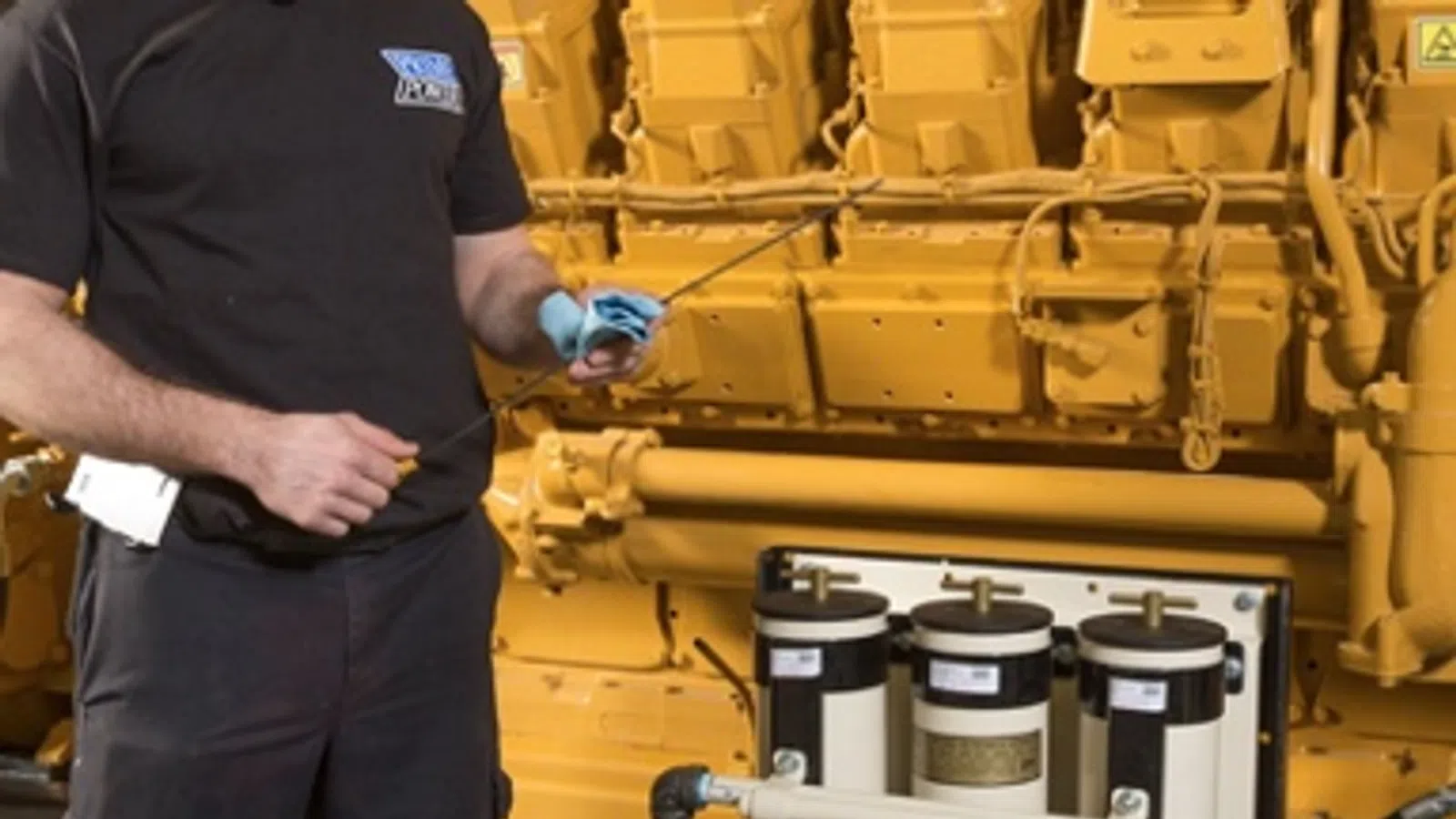
Technician inspecting large yellow industrial engine with blue cloth in hand and equipment in foreground.

Level 1: Generator Operation 
and Preventative Maintenance

For all levels (3 Days)

Prime Power Training designed this program as an introduction to the safe operation and preventative maintenance procedures for managing an emergency power supply system. As an operator, you are responsible for managing the operation of your system. This includes doing regular checks to ensure that your system is at peak performance, understanding what a preventative maintenance program should look like, and being able to identify the primary components of a generator and what role they play in the overall system. Trainees will spend 20% of their time learning theory, procedures, and electrical safety, while the other 80% is hands-on training, ensuring they have the best possible understanding of what managing a preventative maintenance program includes.

Learning Objectives

Trainees will:
  1. Be able to perform preventative maintenance tasks (oil changes, coolant flushes, fuel testing, evaluation and maintenance of fluid systems components and devices)
  2. Be able to perform conductance testing and voltage drop testing.
  3. Be able to do battery maintenance and testing
  4. Be able to perform block heater testing and change outs
  5. Have a firm grasp of electrical and arc flash safety (PPE, LOTO, and introduction to insulated tools and proper uses)
  6. Have a firm grasp of diesel theory, electrical theory, and power distribution basics (switchgear and transfer switches)

Max. 10 students
Min. 8 students
Mechanic in red shirt and safety glasses working on engine components in industrial workshop setting.

Level 2: Engine Theory, Repair and Maintenance

For operators (3 Days)

Diesel and gaseous engines are the primary source of mechanical energy for power generation units. Understanding how these systems operate and how to maintain them is crucial to ensuring the lifespan of the power generation system as whole. To maintain and repair engines, a technician must have the skill to identify defects and prescribe a course of action for repairing and maintaining the engine. Each trainee will get hands-on experience with simple engine maintenance and rebuilding. During this 3-day course, trainees will learn engine fundamentals, components, inspection techniques, and troubleshooting. They will be tasked with identifying defects and listing/ following steps to repair key engine components like the intake/exhaust, coolant, fuel, and lubricating systems.

Learning Objectives

Upon completing this course, trainees will:
1. Be able to identify defects in a generator set air intake/exhaust, coolant system, fuel system, and lubricating system
2. Be able to prescribe a course of action for repairing defects in these systems
3. Be able to perform repairs to the systems based on the prescribed courses of action


Max. 10 students
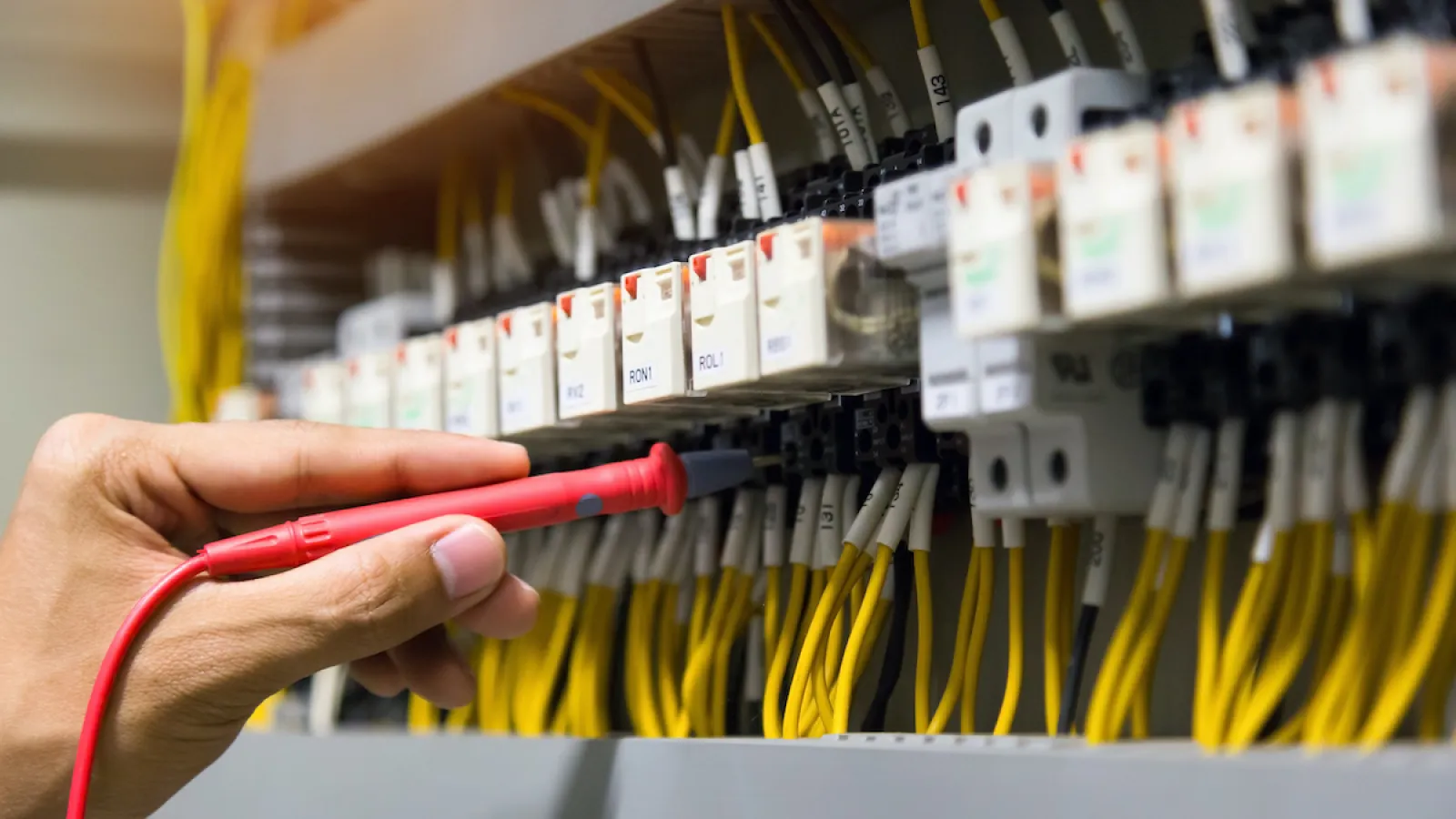
Technician testing electrical connections with a red probe on a circuit breaker panel with yellow wires

Level 3: Advanced 
Generator Triage and Troubleshooting

For operators (3 Days)

This 3-day course includes 20% classroom and 80% hands-on training sessions. Trainees will begin by reviewing basic knowledge of all parts of an EPSS (Emergency Power Supply Systems), JSA and safety protocols, generator ratings and derate, and learn how to carefully select and connect for both resistive and reactive load banking.

Participants will learn to troubleshoot several components while using load banks to assist, including voltage regulators, governors, fuel systems, transfer switches, starting systems, block heaters, and cooling systems. Once students have completed these basic troubleshooting exercises, they will learn to triage a generator by utilizing advanced problem-solving skills which will help you identify and correct problems or faults.

Basic skills taught include but are not limited to proper cable selection and inspection; meter use; gathering, calculating, and documenting load test data and results; accounting for site and environmental conditions; and solving common problems with standard corrective action.

Learning Objectives

Upon completing this course, students will:
  1. Be able to perform load bank tests (selecting and connecting for both reactive and resistive testing procedures.)
  2. Have a firm grasp of JSA and safety protocols specific to the proper procedures for load banking.
  3. Be able to perform advanced troubleshooting of EPSS components while using the load bank to assist AVRs, governors, ATS (Automatic Transfer Switches), starting systems, block heaters, and cooling systems

Max. 10 students
Min. 8 students
Hand presenting industrial machine control panel with buttons and a display screen in a factory setting

Level 4: Schematics: 
Reading, Mapping and Troubleshooting

For operators (2 Days)

Schematics play a fundamental role in the understanding and troubleshooting of electrical and electronic equipment. This 2-day course is designed to help participants understand, read, and map out these important documents. During the course, students will learn common schematic symbols, how to recognize integrated circuits, and how to map these circuits.

At the end, participants will use what they have learned to troubleshoot faults that are introduced into a simulated switchgear control panel. This advanced troubleshooting process will expand each trainee's troubleshooting capabilities and success.

Learning Objectives

Upon completing this course, participants will:
  1. Be able to identify basic schematic symbols
  2. Read a schematic and map it out on a live electrical system
  3. Map out a line diagram and properly identify integrated circuits
  4. Utilize a schematic to troubleshoot electrical system issues in a simulated switchgear panel
Max. 10 students
Min. 8 students
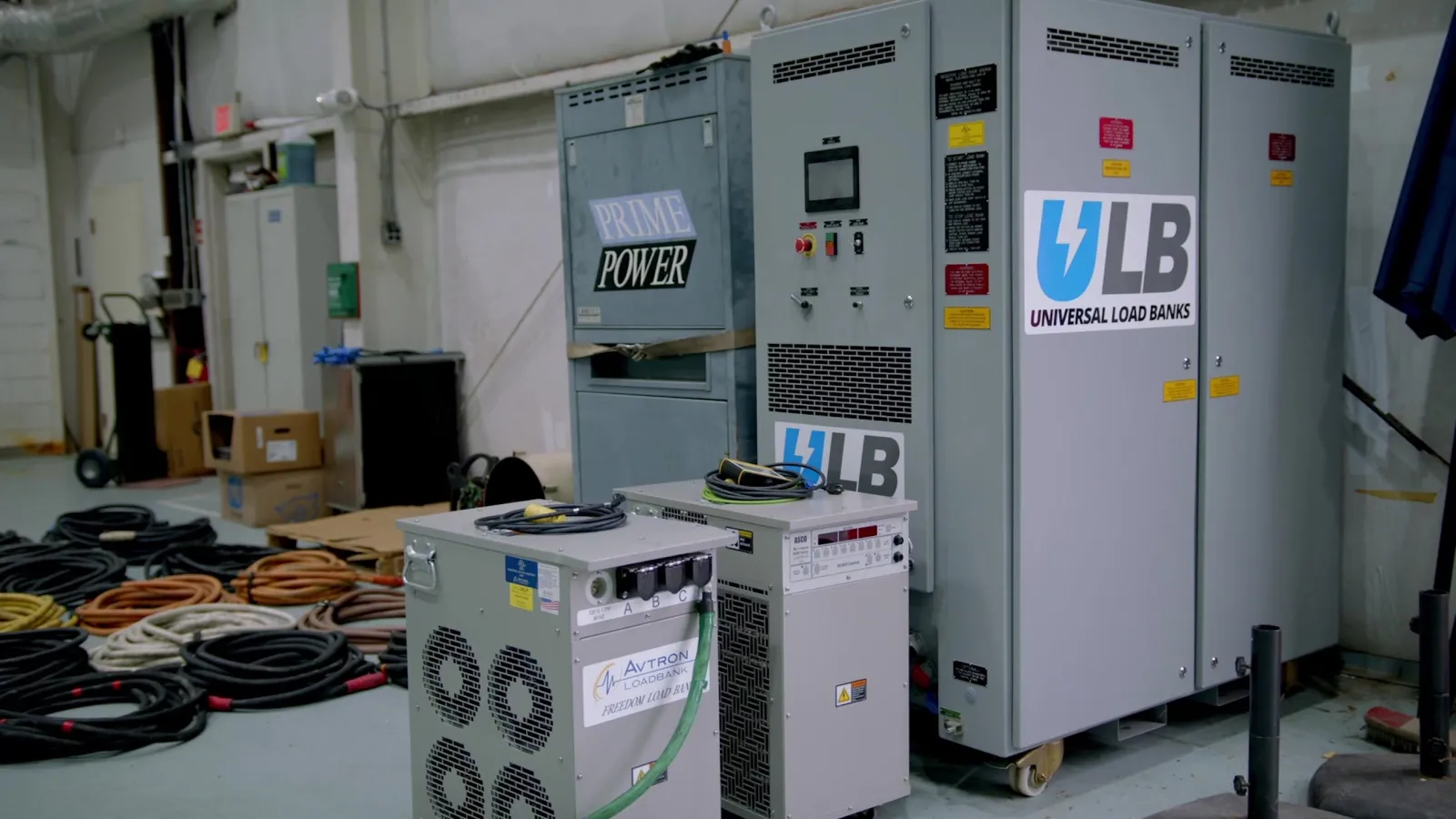
Industrial electrical equipment including Universal Load Banks and Prime Power units in a warehouse setting with cables.

Level 5: Medium 
Voltage Basics School

For operators (2 Days)

This 2-day course provides a comprehensive overview of medium voltage theory, safety, and medium voltage cable components and is designed for power generation and electrical technicians. Participants will spend 20% of their time in the classroom and 80% of their time in the lab. Students will begin by reviewing basic areas of competency including safety procedures and standards, electrical safety and arc flash safety for switchgear and transfer switches, required personal protective equipment and tools, NFPA-70E de-energizing procedures.

Additionally, they will be introduced to basic medium voltage cable types and testing procedures. Participants will learn how to maintain, prepare, and handle MV cables, identify basic MV cable components and have an introductory knowledge of core cable testing procedures such as withstand testing, diagnostic field testing, and insulation resistance testing.

Learning Objectives

Upon completing this course students will:
  1. Be able to identify, maintain, and handle medium voltage cables and identify different cable testing methods and procedures
  2. Be able to explain basic medium voltage theory and identify basic components and design features
  3. Be able to identify and explain the purpose of common medium voltage tools (cable preparation, splicing and stripping tools, and testing equipment)
  4. Be able to properly identify and use PPE, including insulated tools
  5. Understand basic electrical and arc flash safety theory, LOTO procedures, NFPA-70E arc flash and shock hazard labels

Max. 10 students
Min. 8 students
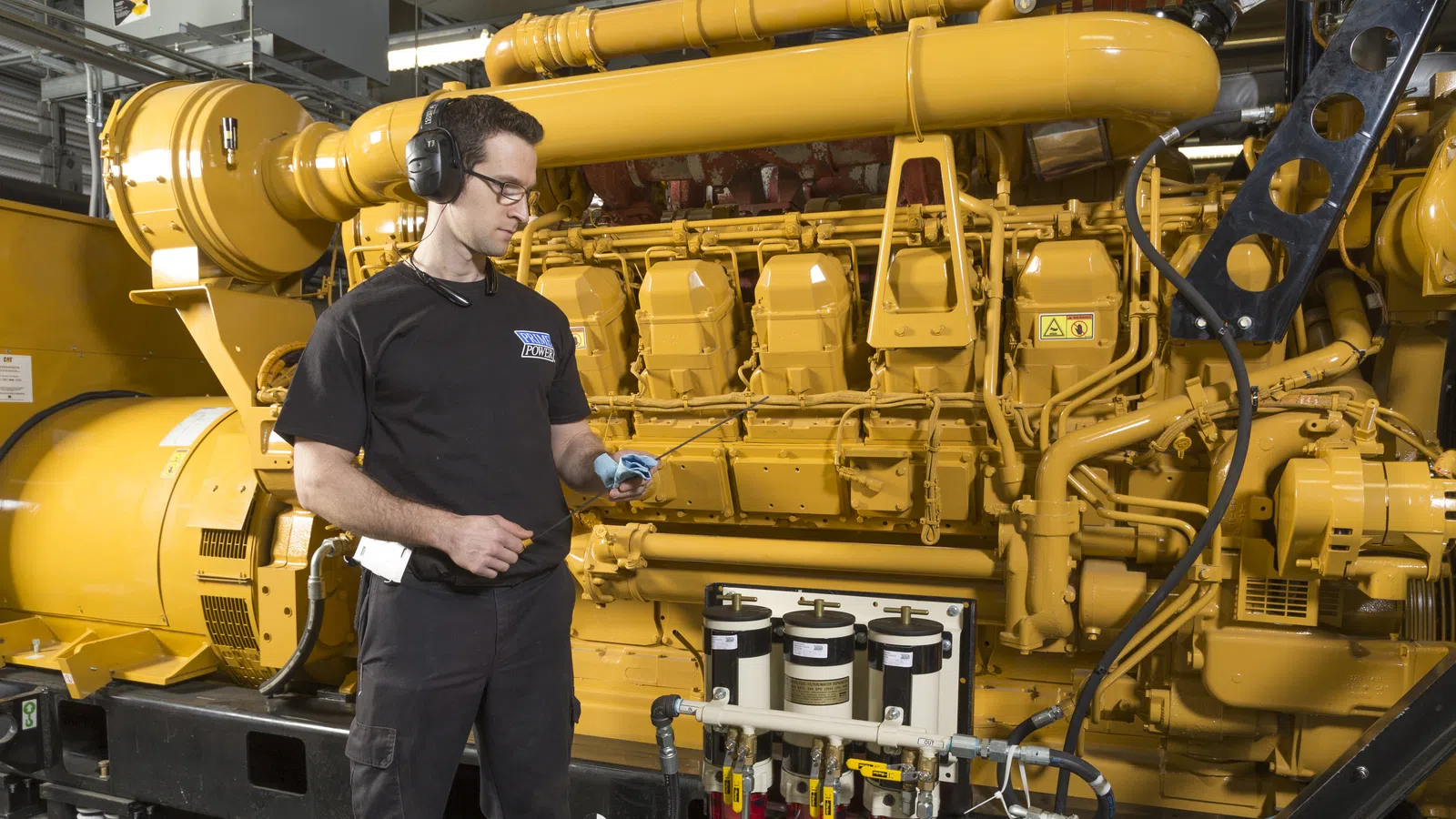
Technician wearing headphones inspecting a large yellow industrial engine with monitoring devices in a factory.

Level 6: Medium Voltage Advanced School

For operators (3 Days)

This 3-day course is a comprehensive overview of medium voltage safety, testing, VLF procedures, and cable termination procedures. Participants will spend 20% of their time in the classroom and 80% of their time in the lab. They will begin by reviewing material taught in the prerequisite Medium Voltage Basics School, including safety procedures, standards, and PPE for medium voltage.

Participants will perform core testing procedures or simulations such as hipot testing, basic transformer testing and TTR testing. Building on the prerequisite medium voltage basics school, students will demonstrate how to terminate a medium voltage cable and perform safe cable testing procedures.

Learning Objectives

Upon completing this course students will:
  1. Be able to demonstrate proper use of PPE as it relates to MV work
  2. Be able to perform core medium voltage testing procedures
  3. Be able to demonstrate knowledge of calculating transformer turns ratio
  4. Be able to perform proper medium voltage cable termination
  5. Understand the core procedures required to safely test and handle cables

Max. 8 students
Min. 6 students