
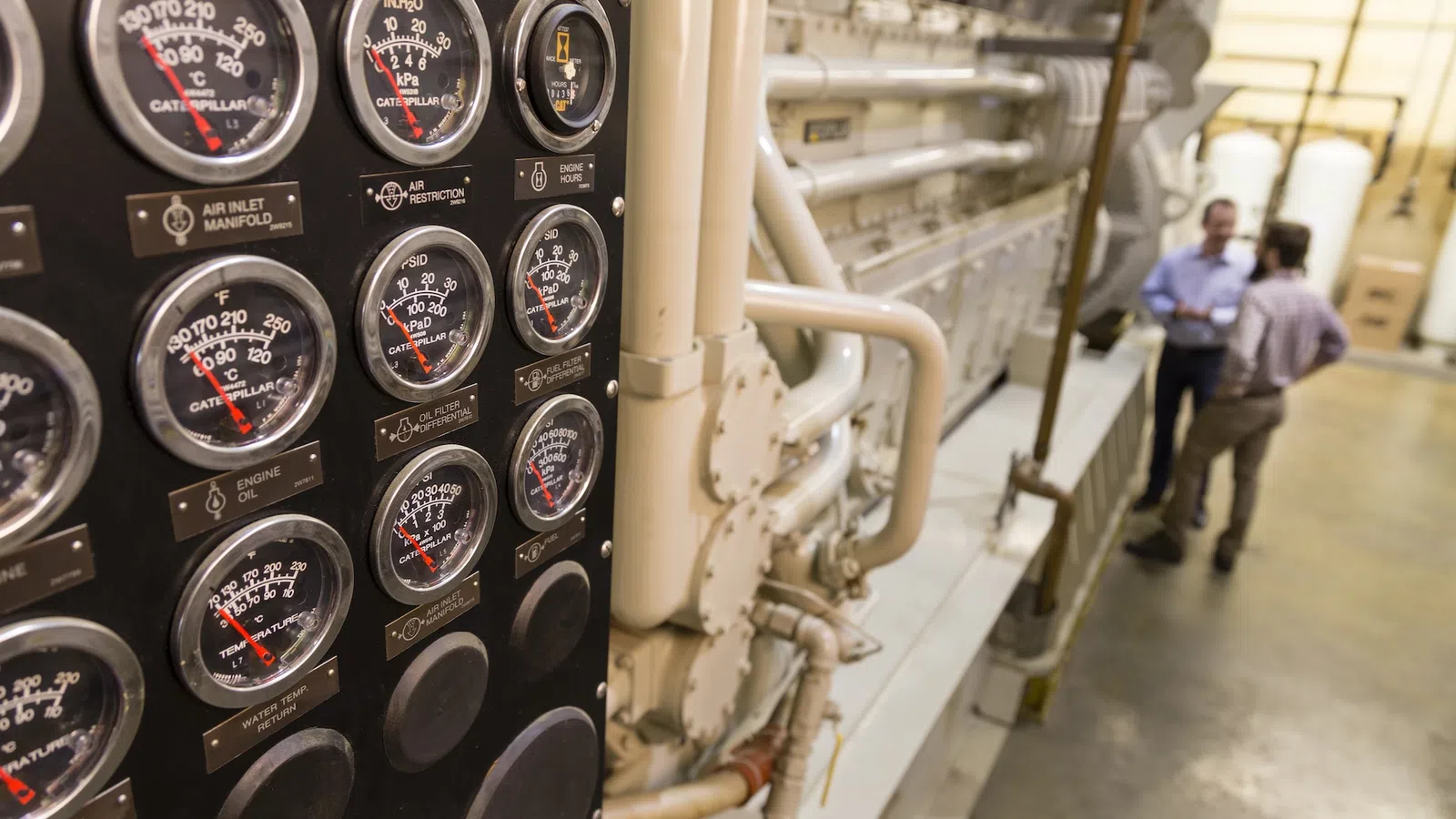
A diesel commercial generator may need an annual supplemental load test when its monthly exercise does not reach at least 30% of the generator's standby nameplate kilowatt rating or the manufacturer-recommended exhaust gas temperature.
That annual test is generally conducted for 90 continuous minutes:
- 30 minutes at no less than 50% of nameplate rating
- 60 minutes at no less than 75% of nameplate rating
A portable load bank is commonly used when the facility's normal connected load cannot meet those thresholds. Prime Power helps facility teams review testing records, determine whether sufficient load is being achieved and perform the load bank testing when needed.
However, NFPA 110 generator testing requirements cover more than load bank testing. Emergency power systems must be inspected, exercised, maintained and documented as complete systems.
Requirements can also vary by code edition, local adoption, facility type and authority having jurisdiction. Facility managers should verify which requirements apply to their property before changing a testing program.
What Is NFPA 110?
NFPA 110, Standard for Emergency and Standby Power Systems, establishes performance requirements for emergency power supply systems used when normal utility power is interrupted.
The standard addresses the complete emergency power supply system, or EPSS, which may include:
- Installation of EPSS equipment
- The generator and engine
- Automatic transfer switches
- Batteries and chargers
- Fuel storage and delivery
- Controls and alarms
- Cooling and ventilation
- Distribution equipment
- Connected emergency loads
For facility managers, the key point is simple: testing the generator alone does not prove that the complete emergency power system will operate correctly during an outage.
Prime Power supports the full EPSS, including generators, transfer switches, controls, switchgear and fuel systems.
What Are the Monthly Generator Testing Requirements?
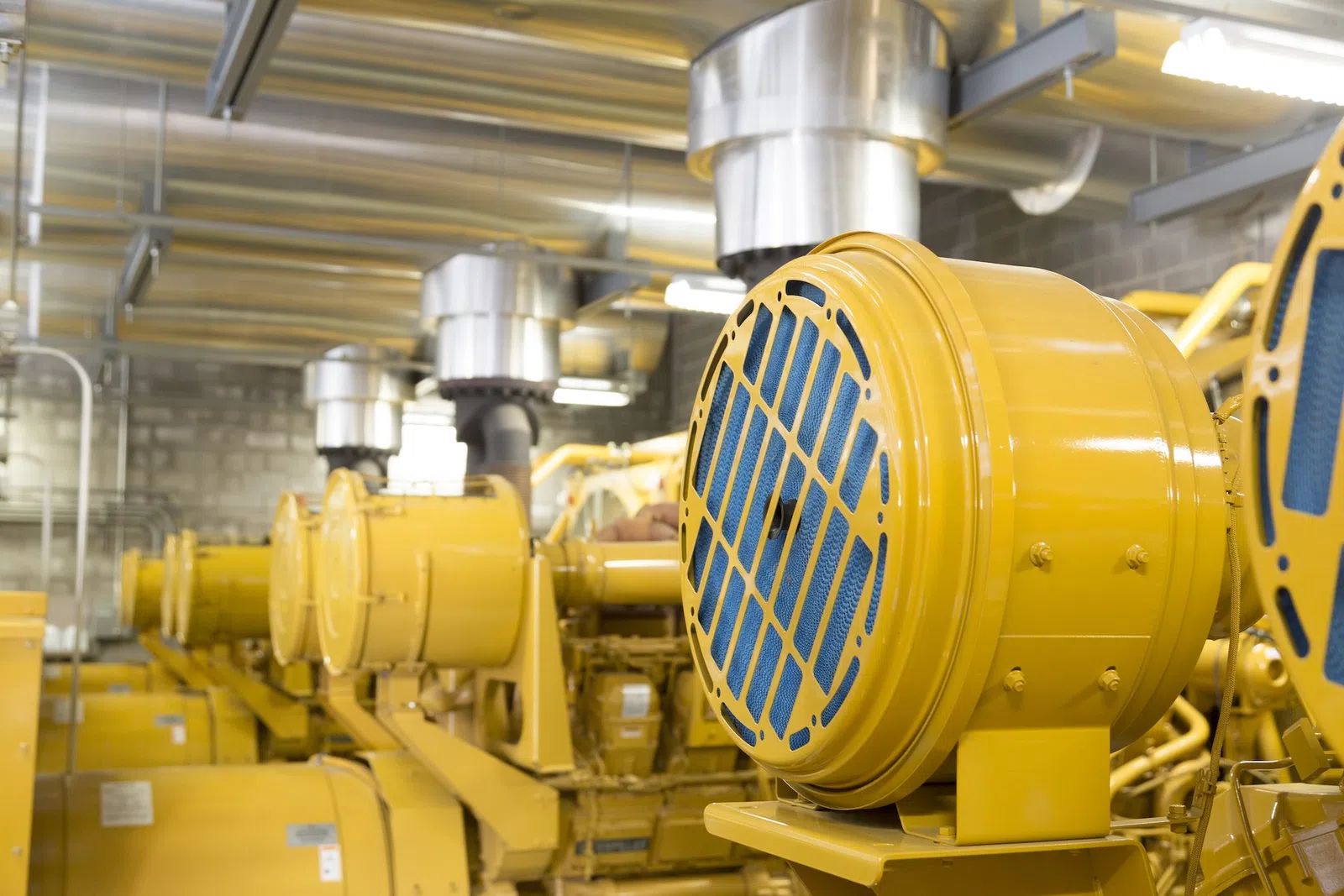
Diesel-powered generators covered by applicable requirements are generally exercised monthly from a cold start for at least 30 continuous minutes.
During the test, the generator should operate at either:
- At least 30% of its standby nameplate kilowatt rating, or
- The manufacturer-recommended minimum exhaust gas temperature
If the generator reaches either condition, an annual supplemental load test may not be required solely because of the monthly loading threshold as long as that testing is properly documented.
Starting the generator and allowing it to run with little or no load may confirm that the engine starts, but it does not show how the system will perform under meaningful operating conditions.
Depending on the facility, monthly testing may also include a simulated utility failure, transfer of emergency loads and operation of the automatic transfer switches.
Prime Power can perform or support monthly generator and transfer-switch testing, document system performance and identify recurring issues before they cause an outage.
Why Does the 30% Load Threshold Matter?
Repeated operation at light load may prevent a diesel engine from reaching proper operating temperature. Over time, this can contribute to carbon deposits, unburned fuel and wet stacking.
Testing under meaningful load also provides a better assessment of:
- Engine performance
- Cooling-system operation
- Fuel delivery
- Voltage and frequency stability
- Controls and alarms
- Transfer-switch performance
- The ability to support connected loads
Prime Power technicians monitor generator performance throughout the test to identify cooling problems, fuel restrictions, unstable output and other issues that may not appear during a lightly loaded exercise.
When Is an Annual Generator Load Test Required?
An annual supplemental load test is generally required when monthly testing does not reach:
- At least 30% of nameplate rating, or
- The manufacturer-recommended minimum exhaust gas temperature
The test commonly includes 30 continuous minutes at a minimum of 50% load, followed by 60 continuous minutes at a minimum of 75% load.
A load bank is not automatically required every year. The requirement is to achieve and document the necessary load. If the building's connected load can safely meet the thresholds, it may be used. If not, a portable or permanently installed load bank can provide supplemental load.
Prime Power can review monthly testing data, determine whether building load is sufficient and coordinate the load bank, connections, monitoring and documentation.
Is Load Testing Required for a New Generator?
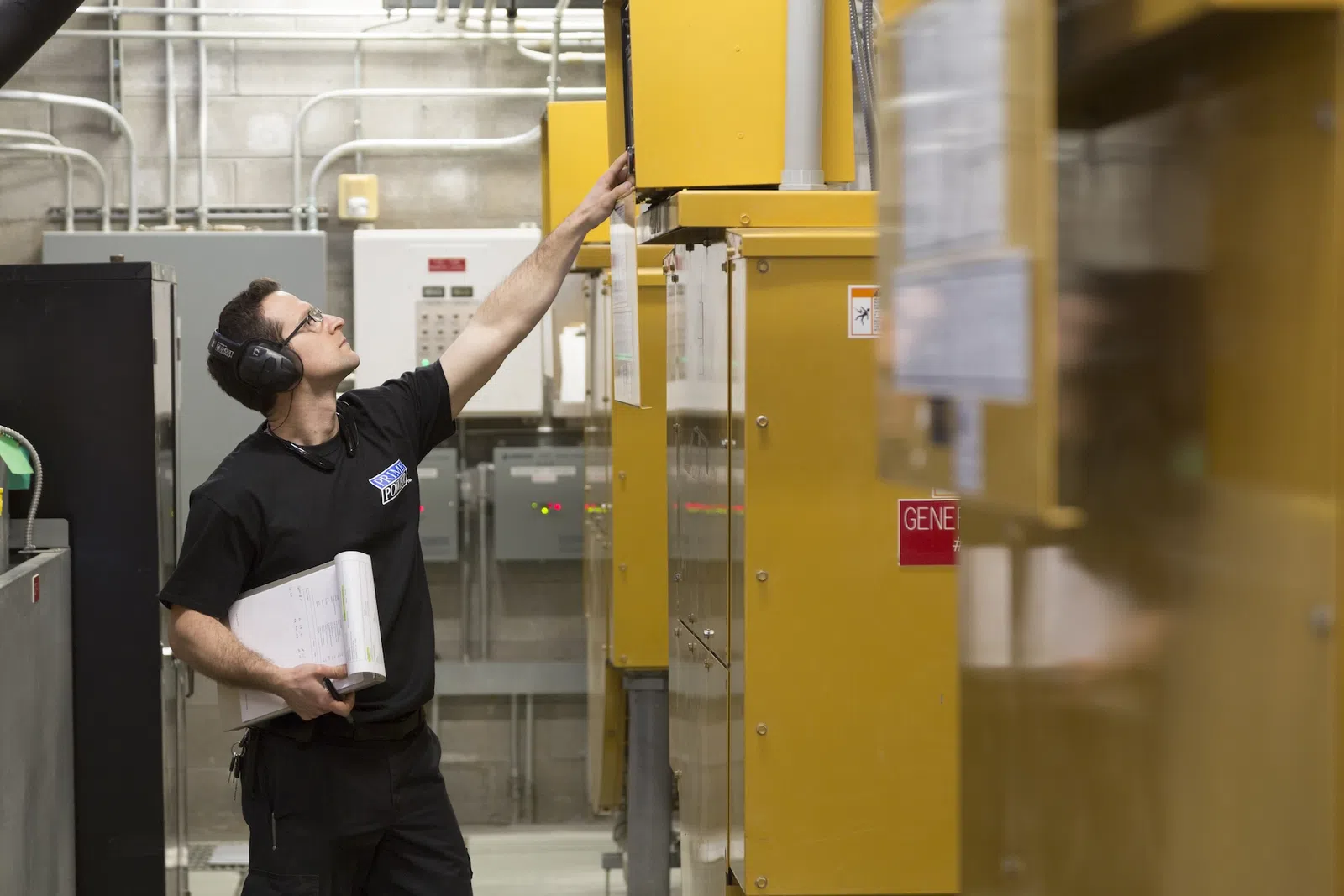
A newly installed generator and EPSS should undergo acceptance testing before the facility relies on it for emergency service.
Testing may evaluate:
- Generator output under load
- Transfer-switch operation
- Start and transfer times
- Controls and alarms
- Fuel-system performance
- Cooling and ventilation
- Voltage, frequency and phase rotation
- Operation of emergency loads
- Response during a simulated utility failure
The exact procedure depends on the system classification, project specifications, code edition and authority having jurisdiction.
Prime Power provides acceptance and operational testing support for new and modernized emergency power systems.
What Is the 36-Month Generator Test?
Certain facilities, particularly healthcare occupancies, may be subject to a four-hour generator exercise at least once every 36 months. This is commonly called the triennial test.
Under some adopted requirements, the annual supplemental test and four-hour test may be combined. This testing needs to be conducted continuously at 30% of nameplate rating or the required exhaust temperature, (to meet the annual testing requirements - 30 continuous minutes at a minimum of 50% load, followed by 60 continuous minutes at a minimum of 75% load) within the four hour time period.
A supplemental load bank can be used when building load is insufficient.
Prime Power can help facilities plan extended-duration testing, coordinate supplemental load and monitor the generator while minimizing operational disruption.
What Should Be Documented?
A generator test is not complete from a compliance or reliability standpoint unless the results are documented.
Records may include:
- Test date and duration
- Generator identification
- Load percentage or kilowatt load
- Voltage and frequency
- Engine temperature and oil pressure
- Battery and charging condition
- Fuel level
- Exhaust temperature, when applicable
- Transfer-switch operation
- Alarms and abnormal conditions
- Corrective actions
- Technician identification
Consistent records help facility teams identify trends such as slow starting, unstable frequency, repeated battery problems or declining load performance.
Prime Power provides testing documentation that helps facility managers maintain equipment histories, track recommendations and plan repairs.
What Are the Facility Manager's Fuel Responsibilities?
A generator can be mechanically sound and still fail because of contaminated, degraded or insufficient fuel.
Fuel-management responsibilities may include:
- Monitoring fuel levels
- Testing diesel fuel quality
- Checking for water, sediment and microbial growth
- Inspecting tanks and fuel lines
- Maintaining pumps, filters and day tanks
- Planning for fuel replenishment
- Establishing fuel-polishing or remediation procedures
Prime Power can inspect generator fuel-delivery systems, identify signs of contamination or restriction and coordinate fuel testing and remediation.
What Maintenance Should Accompany Testing?
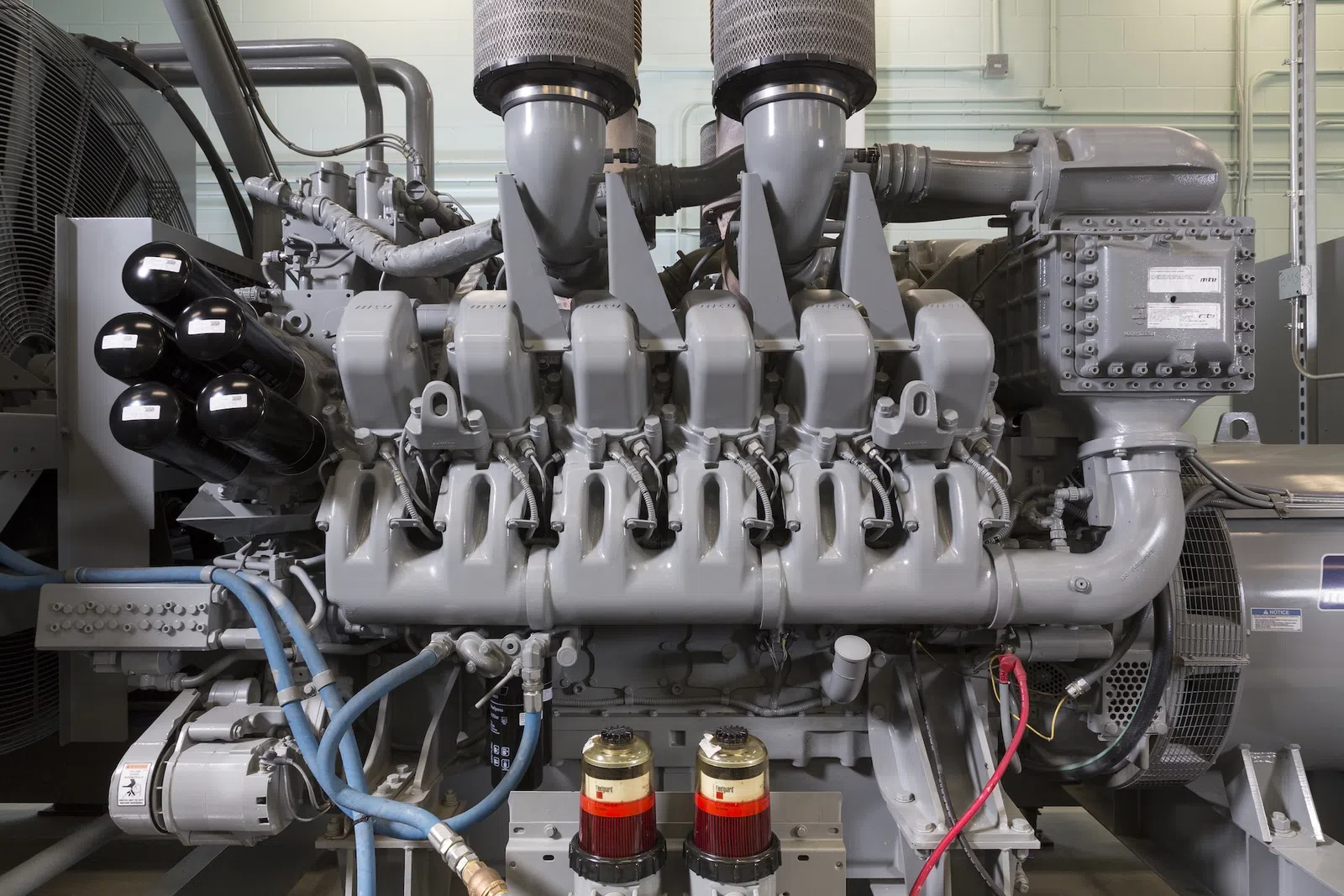
Testing shows how the system performs at a particular moment. Preventive maintenance helps keep it ready between tests.
Typical maintenance activities include:
- Oil and filter service
- Coolant inspection
- Battery and charger testing
- Belt and hose inspection
- Fuel- and air-filter replacement
- Leak checks
- Radiator and ventilation inspection
- Control and alarm testing
- Transfer-switch inspection
- Fuel-system inspection
Prime Power develops preventive maintenance programs around each facility's equipment, operating environment and criticality. Because Prime Power services the complete EPSS, facility teams can address generators, transfer switches, controls and switchgear through one emergency power provider.
Warning Signs That Additional Testing May Be Needed
Additional evaluation may be appropriate when:
- Monthly load remains below 30%
- The engine does not reach the recommended exhaust temperature
- Dark smoke or excessive exhaust is observed
- Oil or fuel appears near the exhaust
- Voltage or frequency becomes unstable
- Breakers trip during testing
- The generator overheats
- Alarms recur
- Major electrical loads have changed
- The generator has undergone significant repairs
These conditions do not automatically mean a load bank test is required, but they indicate that the generator and EPSS should be evaluated by a qualified technician.
Prime Power can use diagnostic testing, load analysis and system inspection to identify whether the issue originates in the generator, fuel system, cooling system, controls or electrical distribution.
Do Requirements Differ by Facility Type?
Yes. Testing requirements may vary depending on facility type, adopted codes, regulations, accreditation standards and insurance requirements.
Facilities with additional emergency power obligations may include:
- Hospitals and healthcare campuses
- Data centers
- Government buildings
- Utilities
- Industrial facilities
- Commercial properties
- Educational campuses
- Warehouses and cold-storage facilities
A testing schedule that is appropriate for one property may not satisfy the requirements at another.
Prime Power supports emergency power systems across a wide range of critical environments and can help facility teams develop testing programs appropriate for their equipment and operational risks.
A Practical Generator Testing Checklist
Facility managers should be able to answer yes to the following questions:
- Is the generator exercised weekly for 5 - 10 minutes and once a month under load?
- Does the test last at least 30 continuous minutes?
- Does it reach 30% load or the required exhaust temperature?
- Are automatic transfer switches tested monthly?
- Are results documented consistently?
- Are batteries, chargers and fuel systems maintained?
- Is supplemental testing scheduled when monthly load is insufficient?
- Does the facility have a triennial four-hour testing obligation?
- Have requirements been checked against the adopted code edition?
Any "no" or "not sure" answer deserves further review.
Frequently Asked Questions
How often should a commercial generator be load bank tested?
There is no single frequency for every commercial generator. An annual supplemental load test is generally required when monthly testing fails to reach 30% of nameplate rating or the manufacturer-recommended exhaust temperature.
Can building load be used instead of a load bank?
Yes. Building load may be used when it can safely and consistently achieve the required thresholds. A load bank is used when the available load is too low or unpredictable.
Is running a generator without load enough?
A no-load exercise provides limited information and should be done weekly and documented. However, it does not satisfy the monthly testing requirements that call for operation under load or at the recommended exhaust temperature.
Can the annual and four-hour tests be combined?
They may be combined when permitted by the applicable code edition and facility requirements.
Build a Testing Program Around the Complete EPSS
Reliable emergency power requires more than starting the generator once a month.
Facility managers need a program that tests the complete EPSS, places the generator under meaningful load, documents performance, protects fuel quality and corrects deficiencies before the next outage.
Prime Power helps facilities inspect, test, maintain and service generators, automatic transfer switches, controls, switchgear, fuel systems and other critical EPSS components. Whether a facility needs monthly testing, annual load bank testing, a four-hour exercise or help diagnosing a recurring problem, Prime Power can help keep the complete emergency power system ready.
Important compliance note: NFPA requirements are updated periodically, and jurisdictions may adopt different editions or additional requirements. This article provides general guidance and should not replace the adopted code, manufacturer instructions or direction from the authority having jurisdiction.