Delivering Mission-Critical Power Reliability
for a Major Utility Company
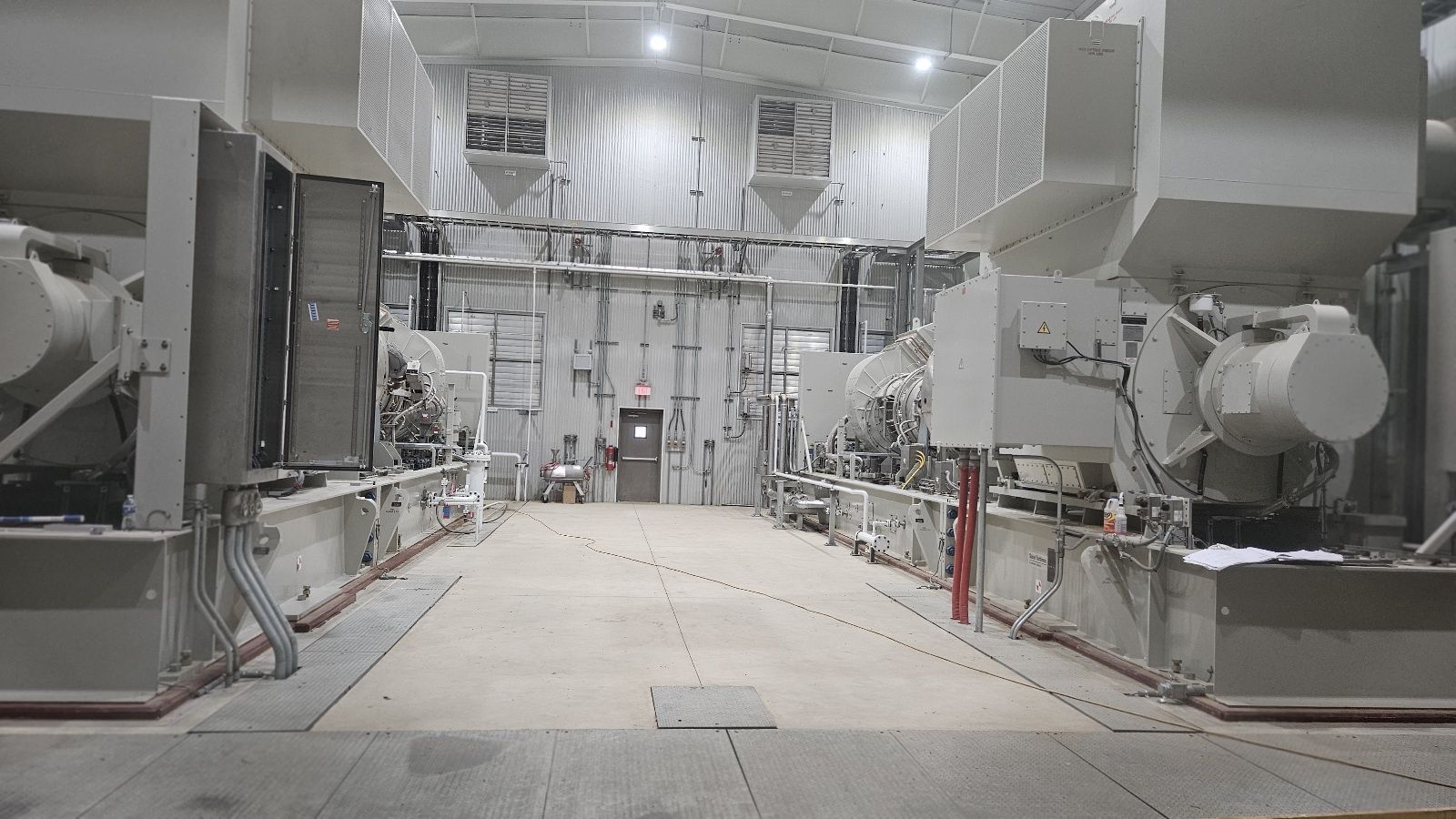
One of the Southeast's largest natural gas utilities, faced an ambitious infrastructure expansion at one of their facilities. With the addition of a massive 13,000 horsepower gas compressor and no access to utility power beyond their own generators. the company needed to dramatically increase on-site generation capacity—without compromising reliability.
The mission: Parallel two 9-megawatt gas turbines with seven existing 810-kilowatt natural gas reciprocating generators to deliver seamless power at industrial scale.
But there was a problem—the company had purchased gas turbines without integrated paralleling controls. That meant real and reactive power couldn't be automatically load-shared. And with no shared wiring between plants, the system had no foundation for centralized synchronization or communication.
The Solution
Enter Prime Power. Jonathan Turner, a 25-year veteran technician and engineer, led the project for Prime Power. Drawing from deep experience in generator controls, PLC/HMI programming, and field troubleshooting, he architected a custom solution to synchronize and stabilize two entirely separate power systems—without factory controls or OEM support.
Key Steps:
- Collaborated with the team to identify an LS6 utility controller as the backbone for load monitoring and integration.
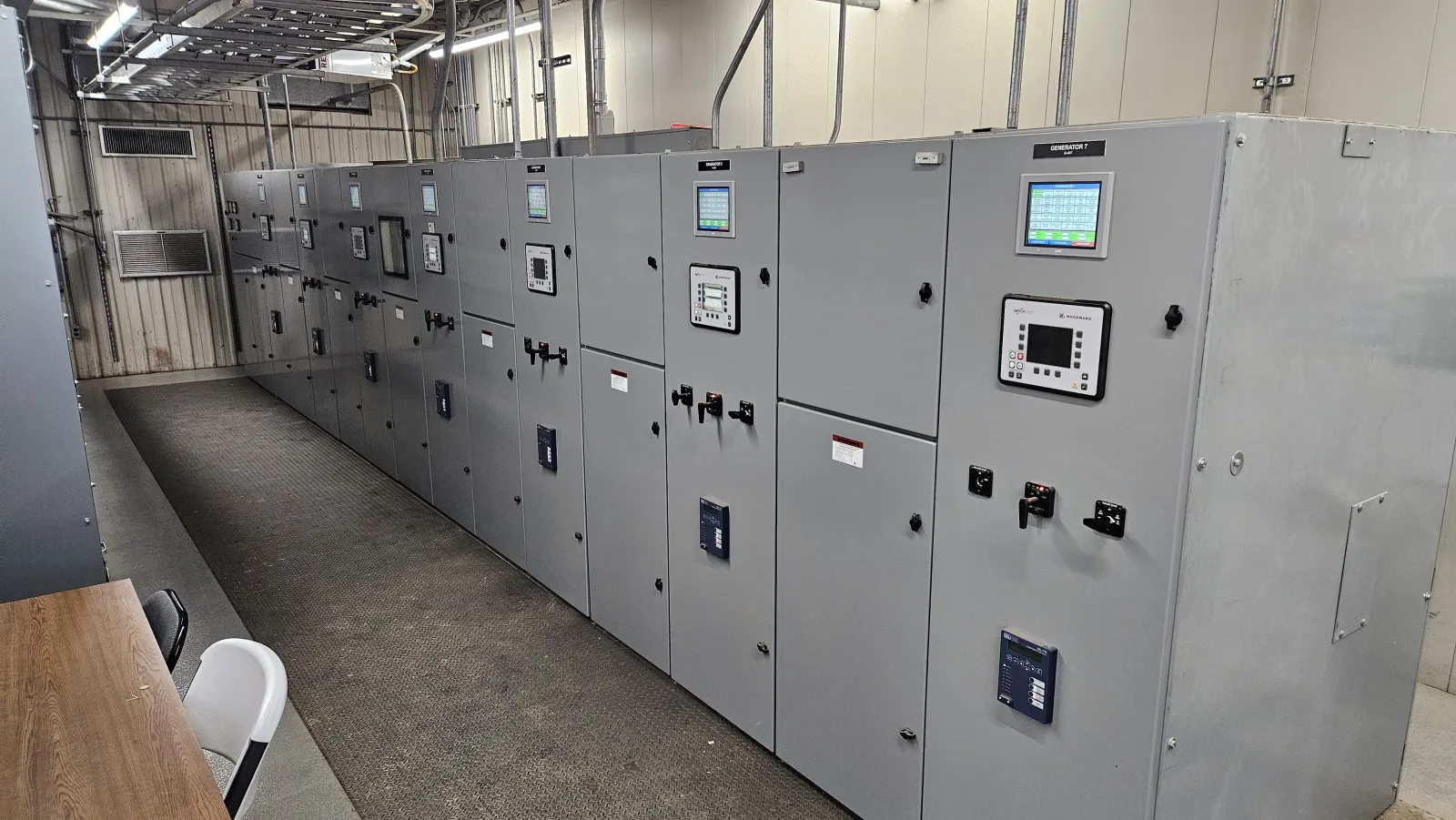
- Designed and built custom load-sharing controls in-house using real-time PID loop tuning to mimic factory-grade coordination.
- Trained on-the-fly a tech who had never been involved in a "generator startup" before. The Prime Power team jumped into action to ascertain how their controls worked and coach the tech on how to set the voltage regulator, change settings, and troubleshoot a droop circuit that was not correctly wired.
- Conducted two weeks of on-site work, installing the new controllers and updating firmware on the existing generator controls that we'd designed and installed two years earlier. The site had missing Current Transformers (CTs), loose wires on Potential Transformers (PTs), causing erratic readings or missing values among many other problems that come with such a large system during its startup.
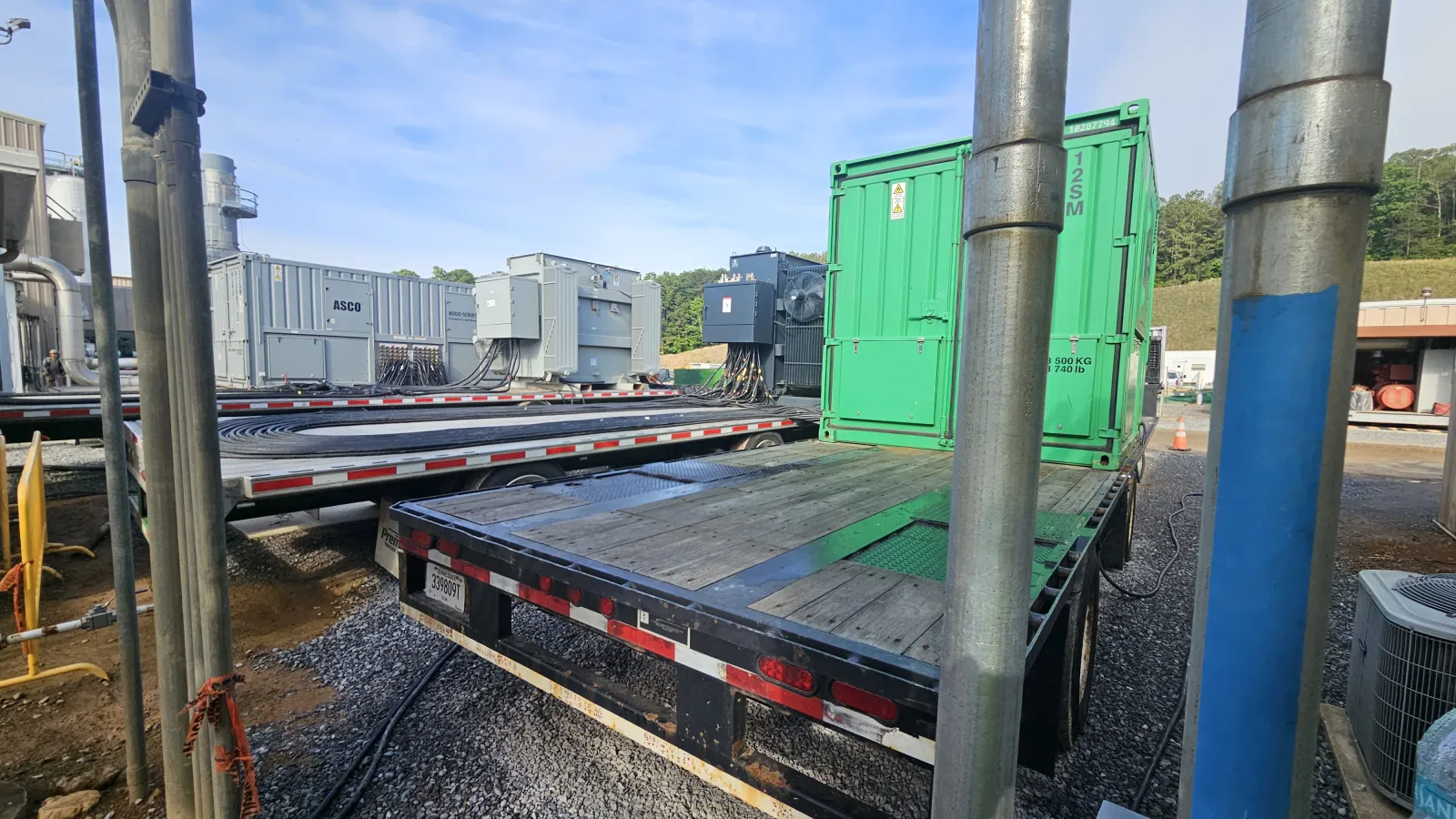
- Managed voltage mismatches, integrating 13,800V turbines with 4,160V reciprocating generators across five switchgear breakers in three separate pieces of gear and going through a transformer with a 30 degree phase shift.
Results
Despite technical gaps and vendor limitations, Prime Power delivered what others said couldn't be done:
- Fully integrated generation: Two 9MW turbines and seven engines load-shared within 1% accuracy—without factory-installed paralleling equipment.
- Zero failure on first startup: After weeks of simulation and prep, the system performed flawlessly on the first full test.
- Major operational gains: The company now operates its site at full capacity, with confidence in load reliability, redundancy, and long-term resilience.
"By far, the highlight of my career. With no direct wiring between the plants, the system I designed started working like magic. Everything synced up on the first try."—Jonathan Turner, Prime Power
Why It Matters
For facility managers overseeing mission-critical operations, the project is a blueprint for:
- Creative control systems engineering when standard solutions fall short
- Smart integration of legacy and modern equipment
- Field-driven expertise that bridges theory and real-world success
When the grid isn't an option and downtime isn't acceptable, you need a partner like Prime Power—one who understands the stakes, the systems, and the solutions.
While this case study was specific to the utility company, the skills and expertise exemplified in the project are applicable to other industries, including data centers and other mission-critical facilities
Learn more and schedule a consult: www.primepower.com