
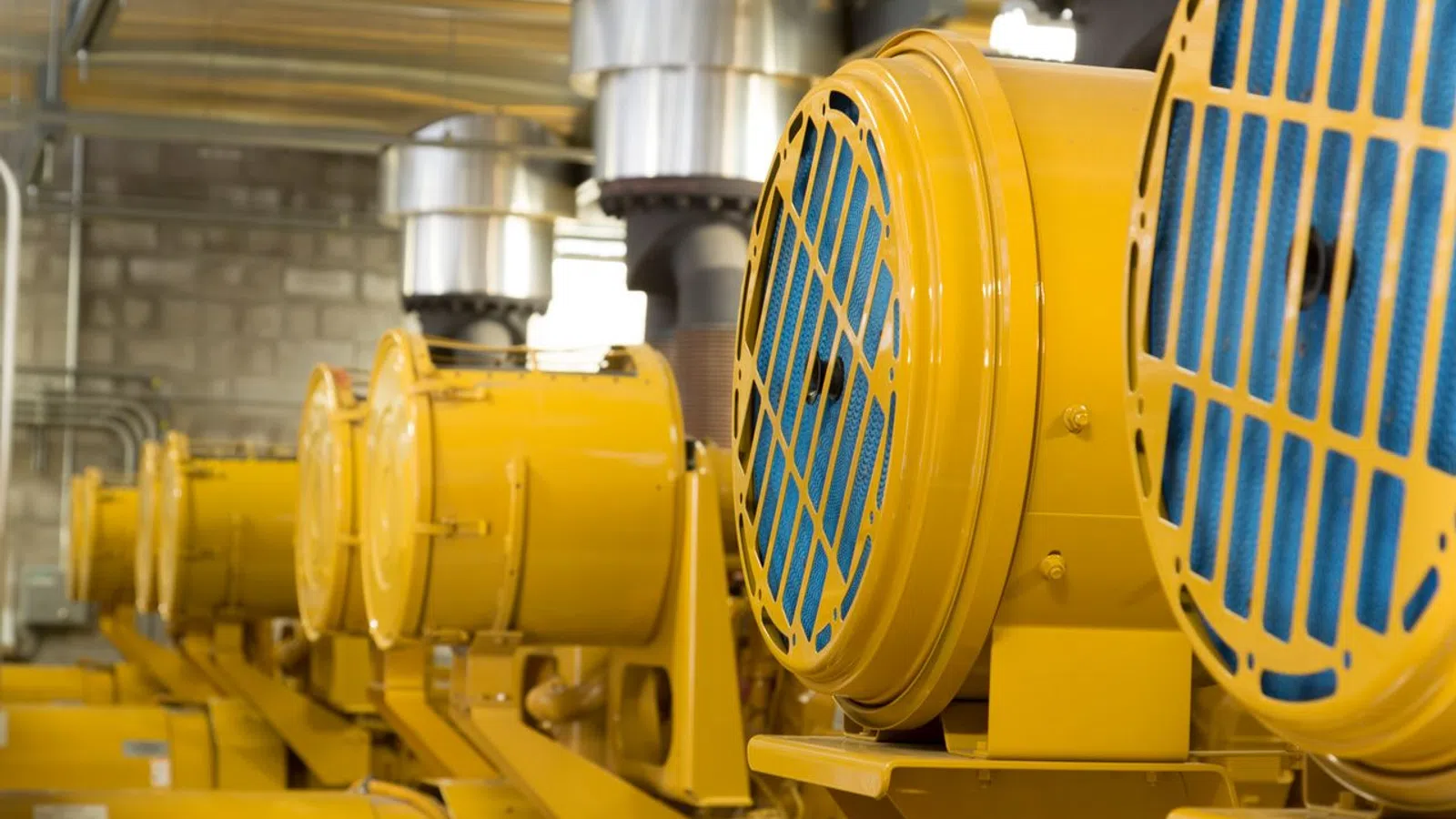
As the year comes to a close, facility managers should take time to evaluate the condition and readiness of their emergency power systems.
A year-end emergency power system assessment should review more than the generator. It should evaluate the complete Emergency Power Supply System (EPSS), including generators, automatic transfer switches, switchgear, batteries, controls, fuel systems and other equipment responsible for keeping critical operations running when utility power is lost.
For hospitals, data centers, manufacturing facilities, commercial properties, utilities, distribution centers and other critical facilities, a year-end assessment can help answer one important question:
Is your emergency power system ready for the demands of the year ahead?
Here are the areas facility managers should review before closing out the year.
1. Were There Any Generator Problems This Year?
Start with your maintenance and operating history.
Review generator tests, service reports, alarms and actual outage events from the past 12 months. Look beyond outright failures. Small recurring problems can be early indicators of larger reliability issues.
Pay particular attention to:
- Slow or difficult starts
- Battery or charger problems
- Fluid leaks
- Cooling-system issues
- Unusual exhaust or smoke
- Frequency or voltage fluctuations
- Recurring controller alarms
- Repairs that have been deferred
- Components that repeatedly require attention
If the same issue appears more than once, it deserves a closer look before another year of operation.
The goal isn't simply to confirm that the generator starts. It's to understand whether the equipment can reliably carry the facility's required load during an extended outage.
2. Has Your Facility's Electrical Load Changed?
Facilities rarely remain static.
New equipment, building expansions, HVAC upgrades, production lines, IT infrastructure and other changes can increase electrical demand. Yet the standby power system may still be operating according to assumptions made when it was originally designed.
Year-end is a good time to ask:
Can our existing emergency power system still support today's critical loads?
For larger facilities, this can be especially important. A generator that was properly sized years ago may have considerably less available capacity after multiple facility expansions.
Reviewing actual load and system capacity can help identify potential limitations before they become apparent during an outage.
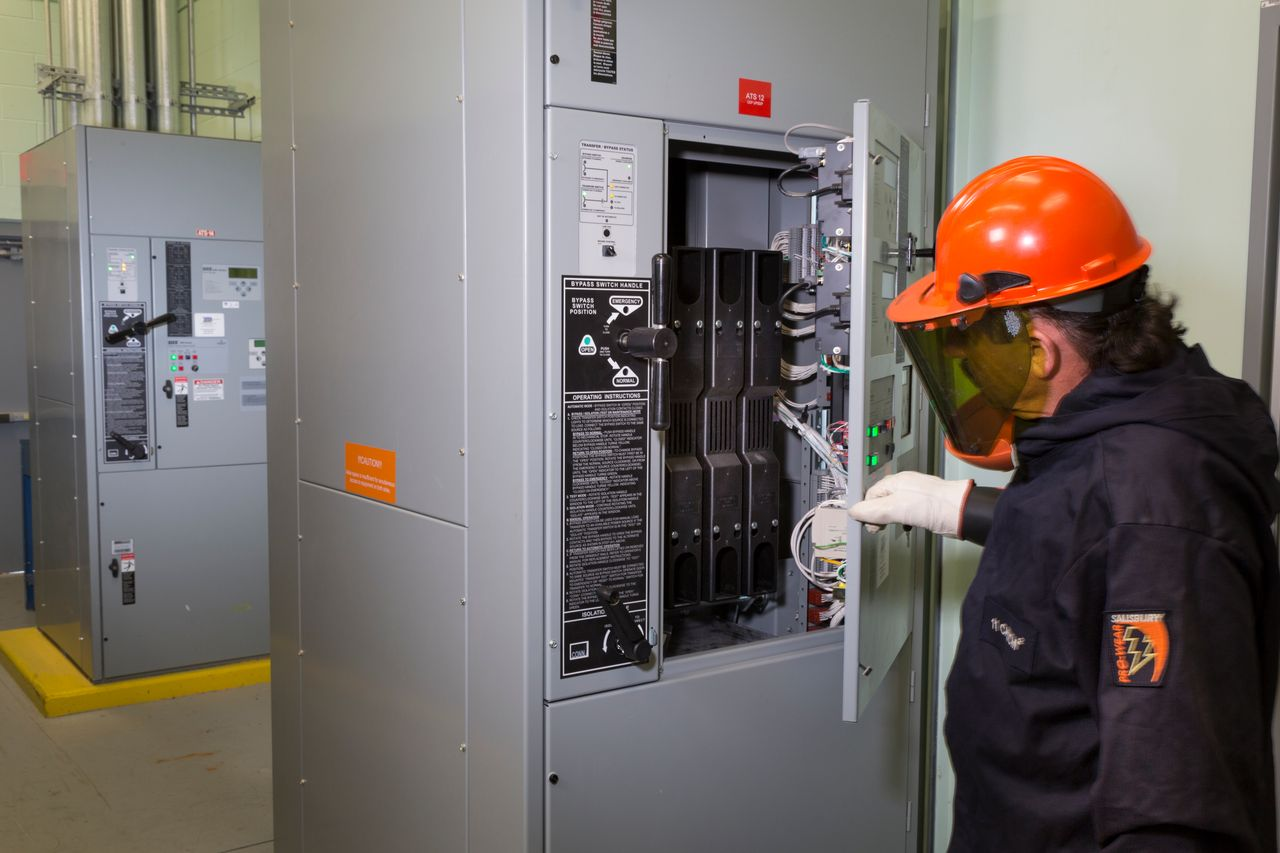
3. Are Your Automatic Transfer Switches Ready?
The generator can operate perfectly and the facility can still lose critical power if an automatic transfer switch fails.
Automatic transfer switches should therefore be part of any comprehensive EPSS assessment.
Review the condition and performance of your ATS equipment, including recent transfer testing, controls, connections, mechanical components and any history of abnormal operation.
If a switch has become difficult to maintain because of age or parts availability, the assessment can also help determine whether repairs, retrofits or replacement should be included in the coming year's capital plan.
4. What Is the Condition of Your Switchgear?
Switchgear is another area that can easily be overlooked when generator maintenance receives most of the attention.
A year-end review should identify signs of aging, overheating, corrosion, contamination, worn components or other issues that could affect power distribution.
Older systems may also create another concern: parts availability.
Knowing that a breaker, control component or other critical part is becoming obsolete before it fails gives facility managers more options. It allows time to budget, source components, schedule outages and evaluate modernization rather than making those decisions during an emergency.
5. Is Your Generator Fuel Ready for an Extended Outage?
Stored diesel fuel doesn't automatically remain ready indefinitely.
Water, sediment, microbial contamination and other fuel-quality problems can compromise generator performance even when the generator itself is mechanically sound.
Your year-end assessment should consider:
- Fuel quality
- Fuel levels
- Tank condition
- Filters
- Pumps and fuel-transfer equipment
- Day tanks
- Fuel lines
- Signs of water or contamination
Facilities should also review their plan for replenishing fuel during a prolonged utility outage.
The right question is not simply "Is the tank full?"
It's "Can we reliably fuel this system for as long as our operations require?"
6. Did Your Generator Receive Enough Load During Testing?
Regular exercising confirms that a generator can start, but operating with little or no load doesn't provide the same information as testing the system under meaningful operating conditions.
Review your generator's testing records and actual loading during the year.
If normal facility testing doesn't place sufficient load on the generator, additional testing or load bank testing may be appropriate based on the equipment, facility requirements and applicable standards.
Load testing can also help identify performance issues that may not appear during a simple no-load exercise.
For facilities governed by NFPA requirements or other regulatory standards, testing programs should always be reviewed against the code edition adopted by the applicable jurisdiction.
7. Are Batteries and Starting Systems Being Overlooked?
A large emergency generator is still dependent on a relatively small component: its starting battery system.
Battery deterioration, charger problems, loose connections and damaged cables can prevent an otherwise healthy generator from starting.
Year-end inspections should review:
- Battery condition
- Charger operation
- Connections and terminals
- Cables
- Starting performance
- Battery age and replacement history
These components are relatively inexpensive compared with the operational cost of an emergency generator that fails to start.
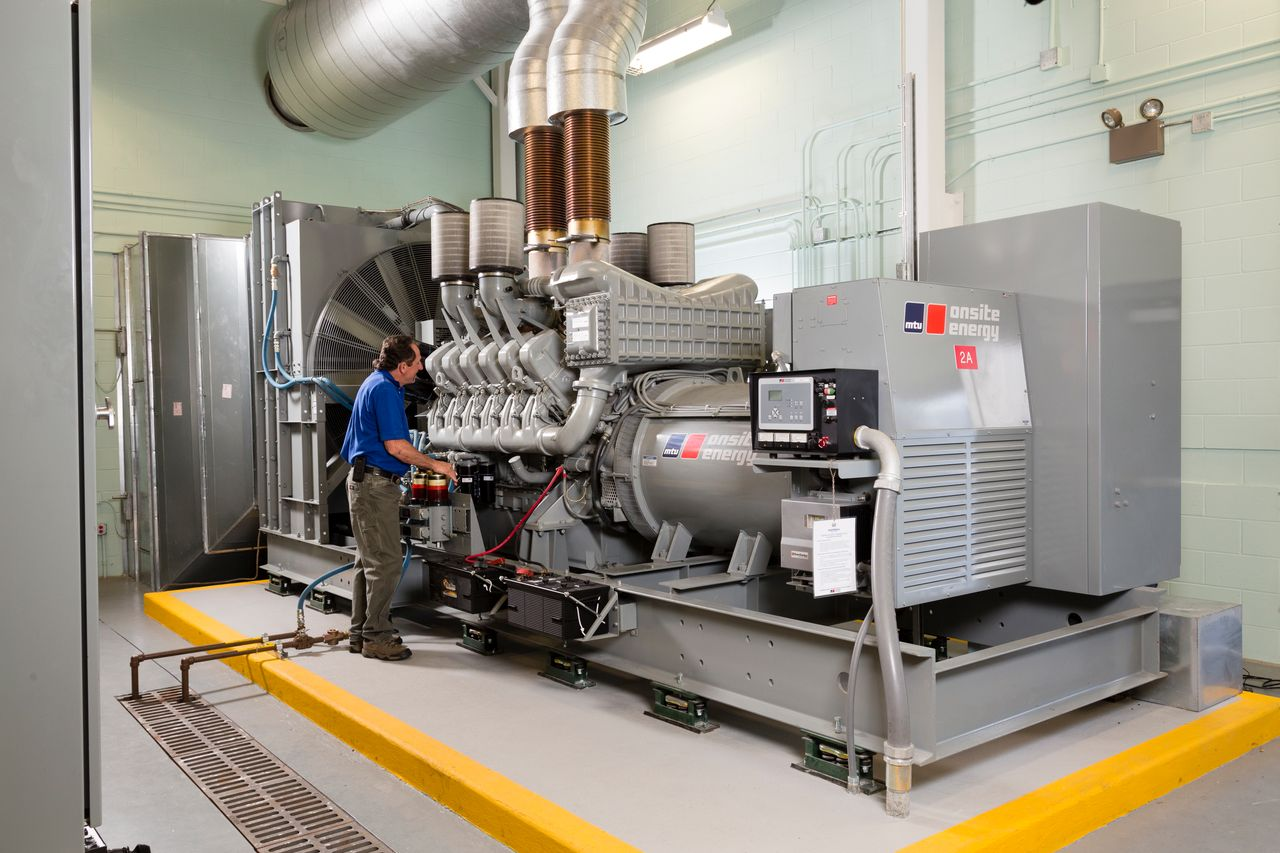
8. Are There Open Maintenance Recommendations?
One of the simplest year-end exercises is also one of the most valuable:
Review every outstanding recommendation from your service reports.
Facilities often accumulate lower-priority repairs throughout the year. Individually, they may not appear urgent. Together, they can represent increasing system risk.
Separate recommendations into categories such as:
- Repair now
- Schedule during the next maintenance window
- Monitor
- Include in the coming year's capital budget
- Plan for modernization or replacement
This turns maintenance reports into an actionable reliability plan.
9. Does Your Facility Have an Emergency Backup Plan?
Even well-maintained equipment can experience an unexpected failure.
Facility managers should know what happens if the permanent generator is unavailable when utility power is lost.
Consider:
- Where a temporary generator would connect
- What size rental generator would be required
- Whether cables and connections are available
- How quickly rental equipment can reach the facility
- Where a rental generator would be positioned
- How fuel would be supplied
- Who has authority to activate the emergency plan
For mission-critical facilities, working through those questions before an outage can significantly simplify the response when temporary power is needed.
10. What Should Be Included in Next Year's EPSS Plan?
The final step is turning your assessment into a plan.
Rather than approaching emergency power maintenance one service call at a time, establish your major priorities for the coming year.
That plan may include:
- Preventive generator maintenance
- ATS inspection and testing
- Switchgear maintenance
- Load bank testing
- Fuel testing or fuel cleaning
- Battery replacement
- Remote monitoring
- Controls upgrades
- Equipment modernization
- Spare-parts planning
- Generator rental contingency planning
- Staff training
For larger facilities and campuses, creating an annual EPSS roadmap also makes it easier to coordinate budgets, planned outages and capital projects.
Don't Assess Just the Generator. Assess the Complete EPSS.
Emergency power reliability depends on a chain of interconnected systems.
The generator must start. The fuel system must deliver fuel. Controls must respond correctly. The automatic transfer switch must transfer the load. Switchgear must distribute the power. Batteries, chargers, cooling systems and supporting components all have to perform as expected.
That is why a year-end assessment should evaluate the complete emergency power system, not simply check whether the generator runs.
Prime Power takes a comprehensive approach to emergency power reliability, supporting generators, automatic transfer switches, switchgear, load bank testing, fuel systems, UPS systems, remote monitoring, generator rentals and other critical EPSS needs.
Before the year closes, take a fresh look at your facility's emergency power system.
A problem identified during an assessment can be planned for. A problem discovered during an outage becomes an emergency.
Schedule Your Year-End Emergency Power Assessment
Prime Power helps facility teams evaluate the condition, performance and readiness of their emergency power systems and identify priorities for the year ahead.
Whether your facility needs preventive maintenance, testing, repairs, system modernization or a contingency plan for temporary power, our team can help you build a more reliable EPSS for the coming year.
Start the new year knowing your emergency power system is ready when your facility needs it most.