
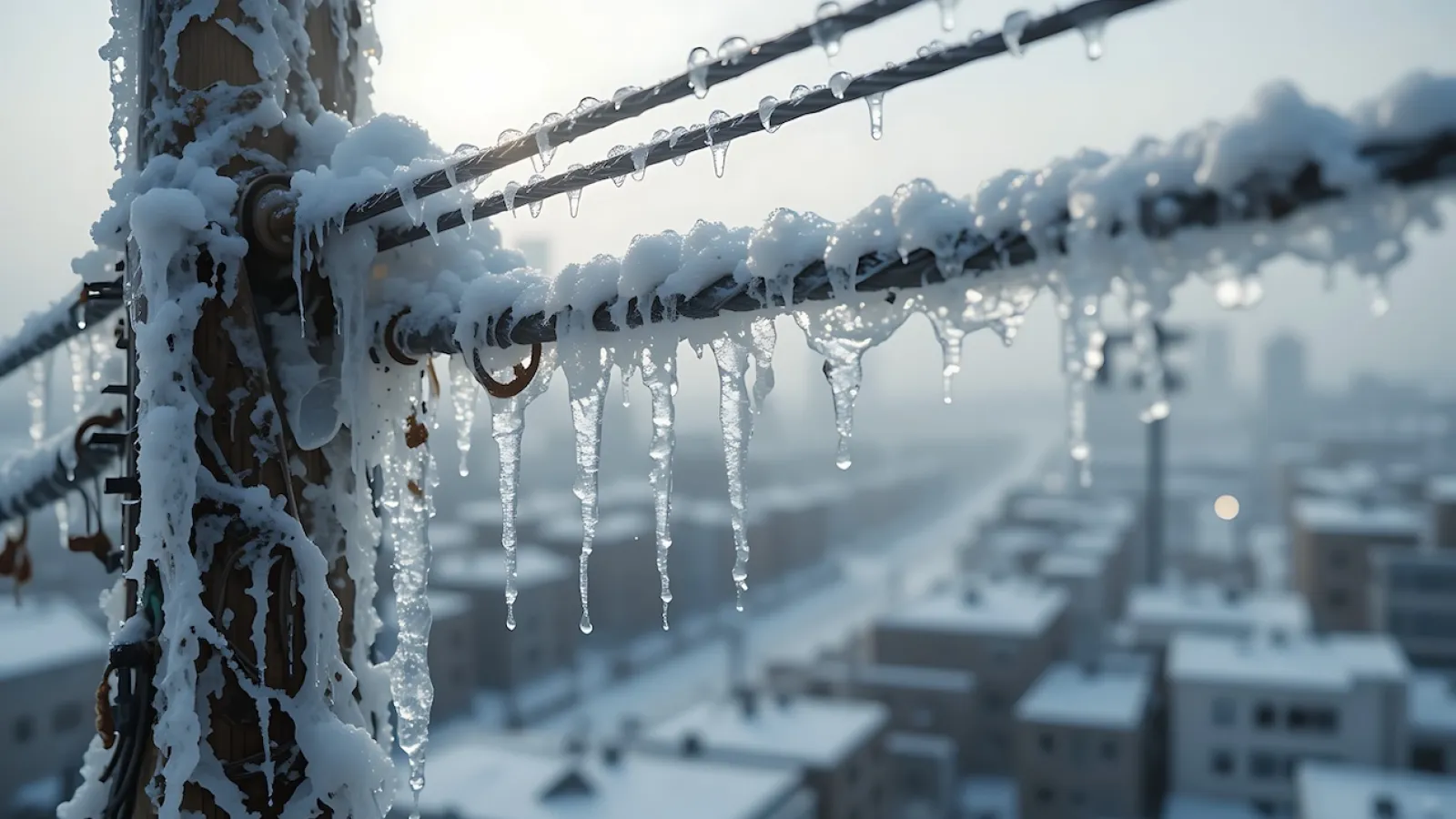
Winterization for Generators & Fuel Systems: Prevent Cold‑Weather Failures
Cold snaps expose weak links in every Emergency Power Supply System (EPSS). Whether you support a hospital, data center, manufacturing plant, municipality, school, or other facility, you depend on standby power that starts fast and runs clean when temperatures plunge.
At Prime Power, we winterize generators and fuel systems with a clear, field‑proven process so you stay weather‑ready long before the first hard freeze.
Why cold weather hurts power systems
We see the same culprits every winter:
- Diesel gelling and water contamination that starve engines of clean fuel.
- Thickened oil that slows cranking and shortens run life.
- Undercharged or aging batteries that fail on the first cold start.
- Coolant mix and block heaters that don't protect against freeze or enable quick starts.
- Snow, ice, and louvers that restrict airflow and overheat enclosures.
- Automatic transfer switches (ATS) that stick or mis‑sense under load.
We stop these issues with a disciplined winterization program.
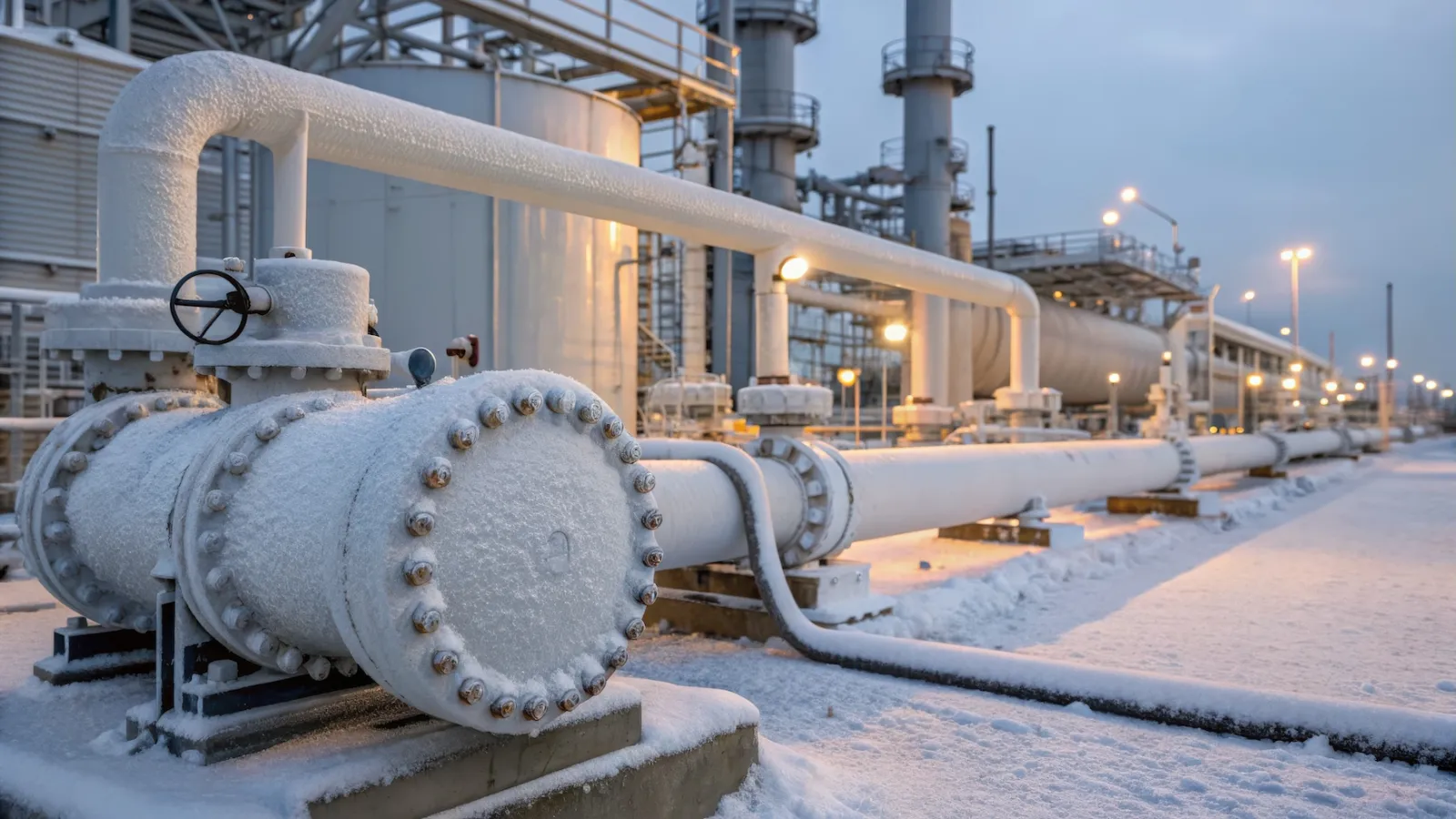
Our winterization process (step‑by‑step)
- Pre‑season review
We inventory each generator, day tank, main tank, ATS, and critical loads. We pull run history, alarms, and previous fuel test results. We set target dates and build a site‑specific plan. - Fuel integrity first
We sample and test for water, particulates, microbial growth, and cetane. We polish and clean fuel, remove free water, condition the tank, apply biocide when needed, and replace clogged filters. If your fuel hasn't seen service in a while, start here: Winterize My EPSS: Fuel Cleaning. - Tank housekeeping
We inspect tank bottoms, drains, standpipes, and fill caps. We check venting and spill containment. We verify water‑finding paste readings and confirm that desiccant breathers function. - Coolant protection
We test concentration and pH, confirm additive levels, and correct the mix to meet the engine OEM spec for your climate. We inspect jacket water heaters, hoses, clamps, and thermostats. We verify heater amperage and proper circulation. - Battery readiness
We load‑test batteries, clean terminals, verify charger output, and confirm cranking cable condition. We replace batteries that fail to meet cranking amps or age thresholds you define. - Lubrication fit for the cold
We confirm oil grade for your temperature band, top off to spec, and pull an oil sample if trending matters for your asset plan. We check crankcase breathers and look for leaks. - Air intake and exhaust
We clear snow paths, verify intake hoods and bird screens, and exercise louvers. We ensure no ice points at the exhaust, roof, or wall penetrations. - ATS and switchgear exercise
We inspect contacts, clean and torque connections, verify sensing and time delays, and perform a building load transfer test within your operating window. - Run test under load
We cold‑start, warm up, and run for at least 30 minutes under building load or load bank as appropriate. We record voltage, frequency, temperature, pressure, and fuel draw. We tune alarms and setpoints. - Remote monitoring tune‑up
We validate communication paths, alarm routing, and escalation. We test notifications for block‑heater failure, low fuel, charger faults, and coolant temperature. - Spares and consumables
We stage critical spares: primary/secondary fuel filters, oil and coolant filters, belts, hoses, batteries, fuses, and coolant premix. We confirm on‑call fuel delivery contacts and portable generator docking plans. - Documentation and training
We deliver checklists, test results, and a simple "first 10 minutes of an outage" script for your team. We walk your staff through resets and safe start procedures.
Cold‑season routines that keep you weather‑ready
- Daily: Verify block‑heater operation, scan for leaks, confirm charger status lights, and check fuel level.
- Weekly: Drain water from filters or tank sumps (if equipped), clear snow from louvers and exhaust, and run a brief no‑load exercise if your policy calls for it.
- Monthly: Inspect ATS event logs, review alarm history, and confirm that contact lists and vendor numbers stay current.
What you gain from proactive winterization
- Higher start reliability during the coldest hours.
- Cleaner combustion and longer injector, pump, and filter life.
- Predictable maintenance costs instead of emergency callouts.
- Improved compliance alignment with common EPSS expectations.
- Safer operations for staff who need clear, simple steps under pressure.
Your "Weather‑Ready" checklist at a glance
- Test and clean fuel; remove water; replace filters.
- Verify coolant protection and jacket water heaters.
- Load‑test batteries and confirm charger health.
- Exercise ATS and perform a controlled transfer test.
- Run the generator under load and record performance.
- Validate remote monitoring and alarm escalation.
- Stage spares and confirm vendor and fuel logistics.
- Document results and train your team.
Ready to winterize your EPSS?
We can prepare your generators and fuel systems now so you avoid cold‑weather surprises later. Start with fuel health and lock in a preventive program that fits your site:
The Prime Power team helps you build your readiness plan, executes the steps, and remains on call when storms arrive.
Let's make your power system weather‑ready today.