
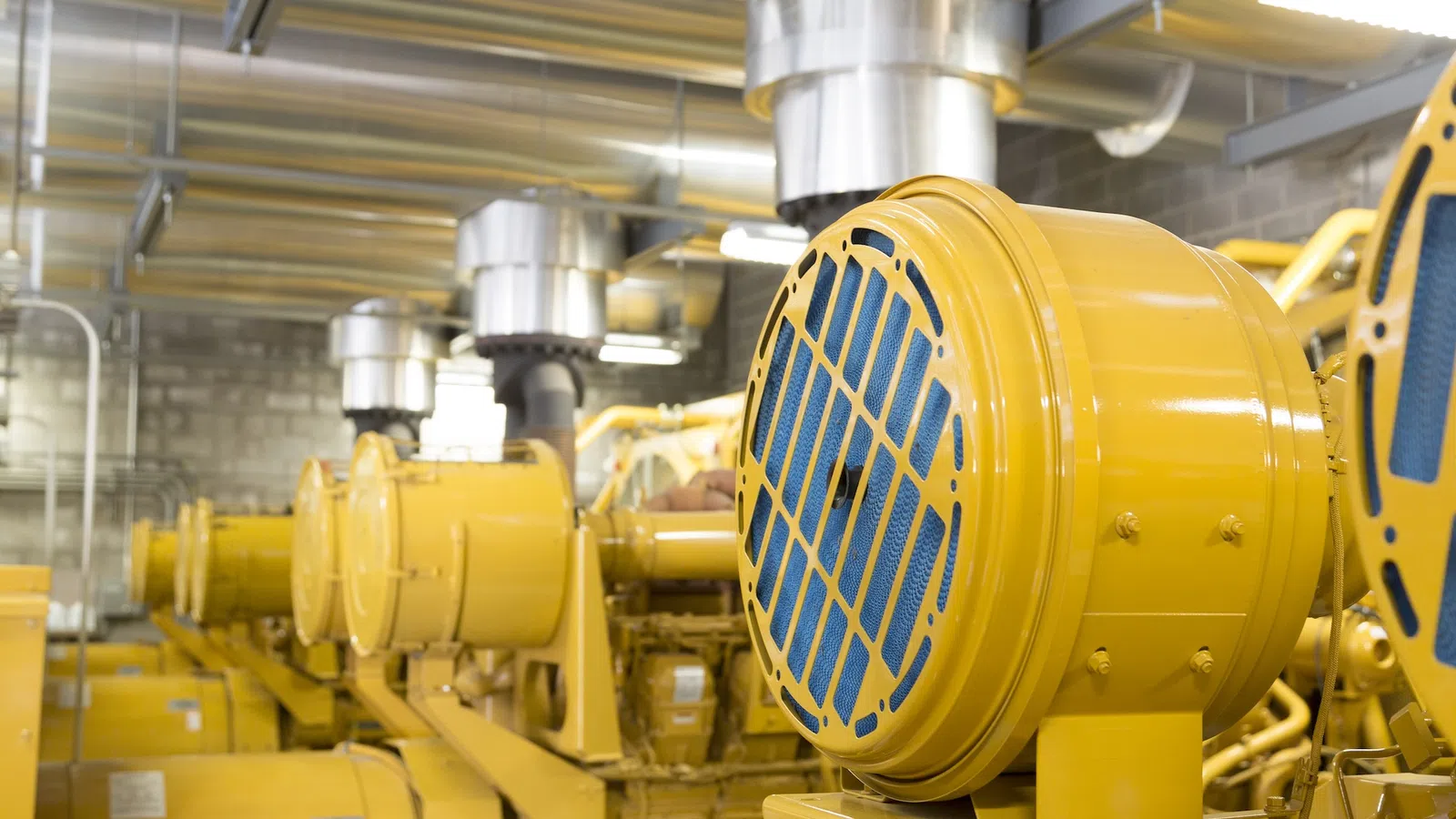
For facilities with
large emergency power systems, winter readiness involves much more than
servicing the generator.
Generators, fuel systems, batteries and starting systems, automatic
transfer switches, switchgear,
controls and distribution equipment all must perform as designed when utility
power is lost. In facilities with multiple generators or redundant emergency
power systems, that also means verifying that equipment operates properly
together and that the expected capacity and redundancy are available.
Cold weather can expose weaknesses throughout the system.
Batteries lose capacity, engines can become more difficult to start, fuel
problems can surface and heaters can fail. Winter storms can also create longer
utility outages while making fuel delivery, facility access and emergency
service more difficult.
Fall provides an opportunity to find and correct those
problems before the EPSS has to carry critical facility loads during an actual
outage.
1. Test Batteries and Starting Systems
Cold weather puts additional stress on generator starting
systems. Battery capacity falls as temperatures drop, while the engine may
require more power to start.
Inspect battery condition, age, voltage, terminals,
connections and charger operation. For large systems with multiple generators,
test the starting system on each unit rather than assuming similar equipment is
in similar condition. Battery load or conductance testing can identify
deterioration that may not be visible during a routine inspection.
2. Verify Block Heaters
Engine block heaters help keep standby generators ready to
start in cold conditions. A failed heater may not be obvious until temperatures
fall and the generator is called to start.
Check heater operation, wiring, coolant temperature and
associated alarms. Confirm that each generator is being maintained at the
temperature specified by the manufacturer.
3. Review the Complete Fuel System
For a large commercial or industrial EPSS, winter fuel
readiness goes well beyond checking the tank level.
Inspect bulk storage tanks, day tanks where present,
transfer pumps, piping, filters and associated controls. Stored diesel should
be evaluated for water, sediment, microbial contamination and other
fuel-quality concerns. Cold temperatures can also affect diesel performance and
filter operation.
Facilities should know their expected fuel consumption under
emergency load and have a realistic plan for replenishment during an extended
outage. That plan should account for severe weather that may delay deliveries
or restrict site access.
Prime Power can evaluate the generator and supporting fuel
system as part of a
broader EPSS maintenance program.
4. Inspect Cooling Systems and Freeze Protection
Cooling-system maintenance is important year-round. Before
winter, verify coolant concentration and freeze protection for the conditions
expected at the facility.
Inspect hoses, belts, clamps, connections, radiators and
other cooling-system components for leaks, wear or deterioration. Block heaters
and related controls should also be checked.
5. Check Enclosures, Ventilation and Site Access
Outdoor equipment needs additional attention before winter.
Clear leaves and debris from louvers, ventilation openings and exhaust areas,
and inspect enclosures for damage or water intrusion.
Consider how the site will function during severe weather.
Snow and ice should not block access doors, air intakes or exhaust areas.
Technicians need safe access to generators, fuel systems, switchgear and other
EPSS equipment if service is required during an outage.
6. Test Multiple Generators and Paralleling Controls
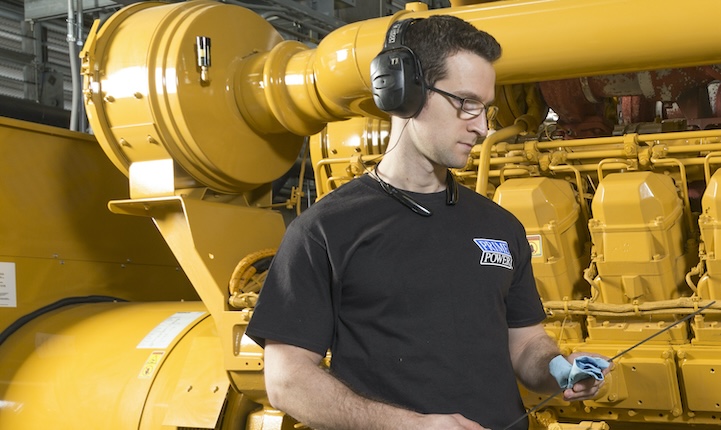
Facilities with multiple generator sets need to confirm more
than whether each unit starts independently.
Where generators operate in parallel, testing should verify
the applicable sequence of operation, synchronization, load sharing, breaker
operation and system controls. If a unit is unavailable, the facility should
understand how that affects available capacity and redundancy.
The purpose of testing is to confirm that the system
operates as designed when utility power is lost, not simply that individual
engines run.
7. Verify Automatic Transfer Switch and Switchgear Operation
Large facilities may have multiple automatic transfer
switches, switchgear lineups and complex distribution paths between emergency
generation and critical loads.
Pre-winter testing should verify the applicable transfer
sequence and inspect the equipment responsible for moving and distributing
emergency power. Depending on the system and maintenance requirements, this may
include controls, connections, mechanical components, breakers and transfer
operation.
A generator can start and produce power while a downstream
problem still prevents that power from reaching the equipment that needs it.
8. Confirm the System Can Support Required Loads
Generator exercising provides useful information, but large
facilities also need confidence that the EPSS can support the loads it is
expected to carry.
Review recent testing, operating data and load information
for signs of capacity concerns or changes in facility demand. If loads have
been added, removed or reconfigured since the system was designed or last
evaluated, confirm that the emergency power system still matches current
facility requirements.
Load-bank testing
or other testing may be appropriate depending on the facility, generator
loading, applicable requirements and maintenance program.
9. Verify Redundancy and System Availability
Critical facilities often rely on redundant equipment to
reduce the risk of a single failure interrupting operations. That redundancy
only provides protection if the equipment and controls required to support it
are available and operating correctly.
Before winter, review any generators, ATSs, breakers,
controls or other EPSS components that are out of service, operating under
temporary conditions or awaiting repair. Understand how those conditions affect
the facility if utility power is lost.
10. Check Alarms, Controls and Remote Monitoring
Winter storms and utility outages can occur outside normal
working hours. Confirm that generator and EPSS alarms, annunciators, controls
and remote monitoring systems are operating properly and that notifications are
reaching the appropriate personnel.
Review after-hours response procedures as well. The team
should know who receives an alarm, who has authority to respond and how to
reach qualified service support.
Prime Power provides 24/7 emergency power service when
generator and EPSS problems require immediate attention.
11. Plan for an Extended Winter Outage
For facilities that depend on large emergency power systems,
planning should extend beyond the first few minutes of an outage.
Consider what happens after 12, 24, 48 or 72 hours of
generator operation. Review expected fuel consumption and replenishment,
staffing, equipment inspections during continuous operation, service access,
critical spare parts and procedures for responding to alarms or equipment
problems.
Severe weather can complicate every part of that response.
Planning before the season gives facility teams more options than trying to
solve those problems during an outage.
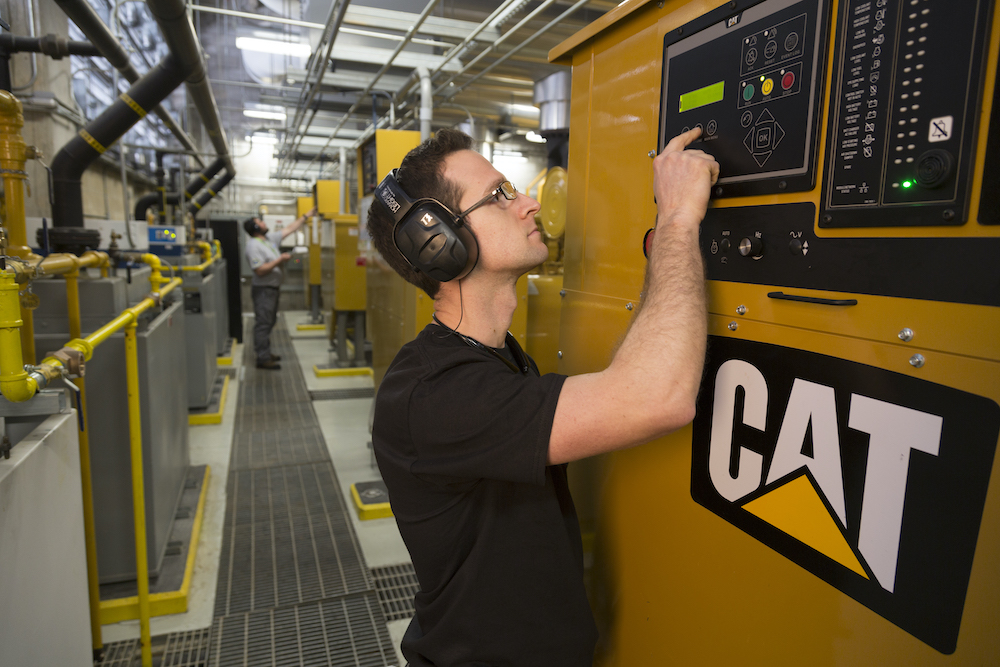
12. Review the Entire Emergency Power System
Winter readiness should be approached as an EPSS issue, not
just a generator maintenance task.
The emergency power path may include generators, fuel
storage and delivery, controls, paralleling equipment, automatic transfer
switches, switchgear, distribution equipment and critical loads. A problem
anywhere along that path can affect system performance.
Prime Power's engineers and field technicians take a
system-wide approach to EPSS service, helping facilities identify issues that
may be missed when individual components are evaluated in isolation.
When Should a Large Commercial Generator System Be Serviced Before Winter?
Commercial standby generator systems should be inspected and
maintained before sustained cold weather arrives. Fall is a practical time to
complete this work because it leaves time to correct deficiencies before winter
conditions increase the risk of an outage.
Maintenance intervals depend on equipment, operating hours,
manufacturer recommendations, facility requirements and applicable codes and
standards. Systems with recent alarms, starting problems, fuel concerns,
equipment out of service or outstanding maintenance items should be addressed
before colder weather arrives.
What Problems Can Cold Weather Expose in a Commercial EPSS?
Cold weather can contribute to weak batteries, starting
problems, heater failures, fuel issues and coolant concerns. Winter outages may
also expose transfer, switchgear, control, distribution or redundancy problems
that are not apparent during routine generator exercising.
Testing the complete emergency power system before winter
can help identify these conditions before the facility has to rely on it.
Pre-Winter EPSS Checklist for Large Facilities
- Test batteries, chargers and starting systems on each generator
- Verify block heater operation
- Inspect bulk fuel storage, day tanks, pumps, piping and filters as applicable
- Review fuel quality and extended-outage fuel supply plans
- Check coolant condition and freeze protection
- Inspect enclosures, ventilation, exhaust areas and equipment access
- Test individual generators and multi-generator operation as applicable
- Verify paralleling and load-sharing controls where present
- Inspect and test ATSs, switchgear and related controls as appropriate
- Review system loading, capacity and recent test results
- Confirm required redundancy and identify equipment currently out of service
- Verify alarms, annunciators and remote monitoring
- Review after-hours response and extended-outage procedures
- Address outstanding maintenance and repair items before winter
Get Your Emergency Power System Ready for Winter
For a large facility, winter preparation is about confirming
that the complete emergency power system is ready to carry critical loads under
real operating conditions.
Fall maintenance gives your team time to identify weak
batteries, fuel-system concerns, control or transfer issues, unavailable
redundancy and other problems before colder weather and winter outages put the
system to the test.
For more than four decades, Prime Power Services and
Engineering has helped organizations maintain critical emergency power systems.
Our EGSA-certified engineers and field technicians service generators,
automatic transfer switches, switchgear and supporting EPSS equipment, with
24/7 emergency response when critical power problems cannot wait.
Schedule a pre-winter
generator and EPSS inspection with Prime Power before colder weather arrives.