

When
organizations invest in critical infrastructure, the focus is often on the
equipment itself—generators, turbines, switchgear, HVAC systems, utility
plants, automation platforms, and building management systems. But one of the
biggest long-term risks isn't the equipment.
It's the
controls.
At a recent
industry presentation, Designing a Central Utility Plant on a Budget
While Still Meeting Expectations for Resiliency and Future Growth, one
statement stood out:
"The
biggest risk is proprietary controls. The system on day one won't talk to the
upgrades in phase two and then won't talk to your overall BMS."
That
observation applies far beyond central utility plants. It affects virtually
every facility that relies on multiple systems working together to maintain
safe, efficient, and reliable operations.
The Interoperability Problem
Most
facilities evolve over time.
A new
generator is installed. An expansion adds new automation systems. Legacy
equipment remains in service because it still performs reliably. New
technologies are introduced to improve efficiency and visibility.
The challenge
is that these systems often come from different manufacturers, were installed
decades apart, and use different communication protocols.
When
proprietary controls are involved, integration becomes difficult—or sometimes
impossible.
Facility
operators can find themselves managing multiple disconnected platforms,
struggling to gain visibility across systems, and relying on manual workarounds
to accomplish tasks that should happen automatically.
The result is
increased complexity, higher operating costs, reduced flexibility, and greater
risk when future upgrades are needed.
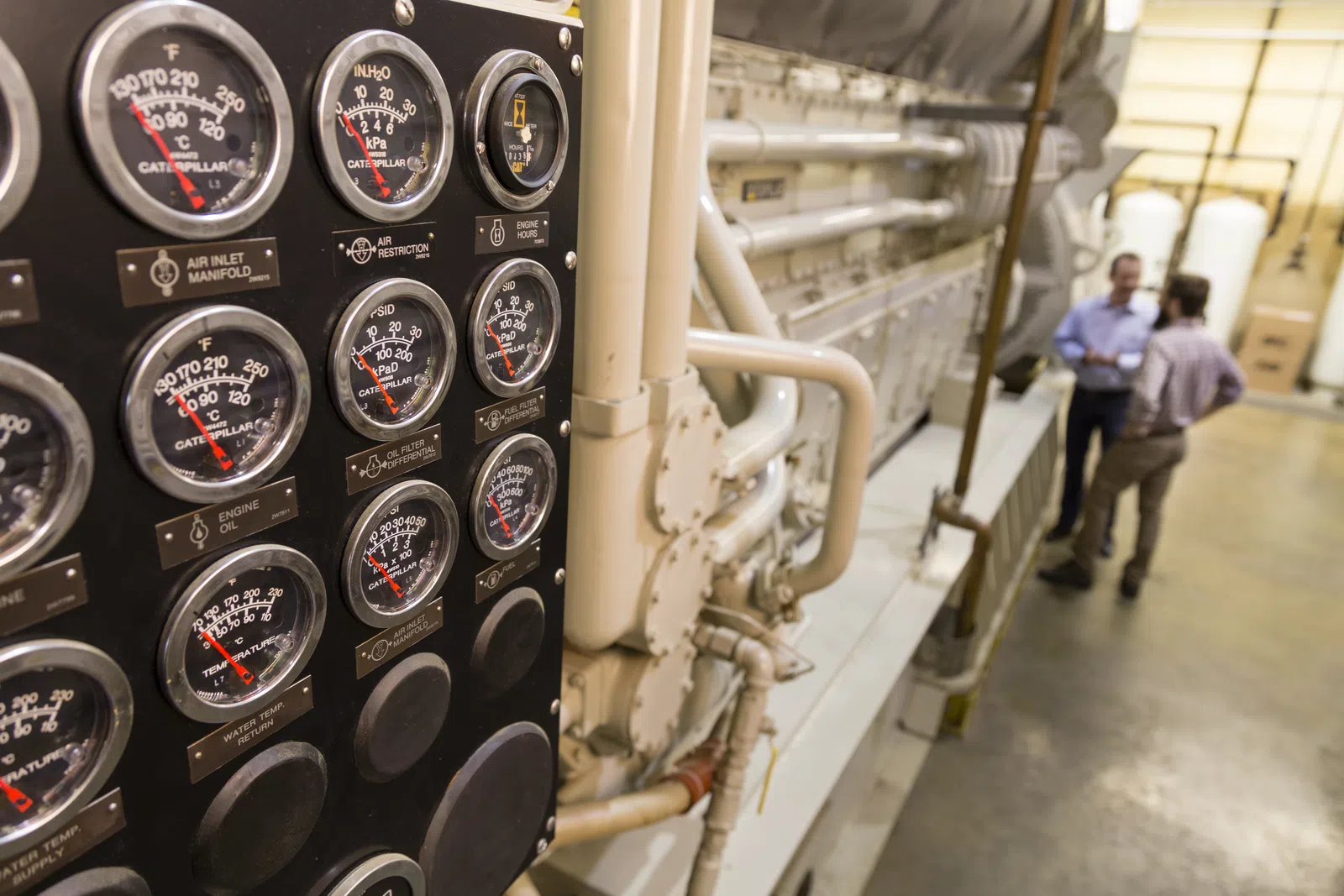
When OEMs Can't Connect the Dots
Prime Power
recently helped a customer facing this exact challenge.
The facility
had invested in a new turbine generation system equipped with proprietary
controls. At the same time, it relied on a 30-year-old reciprocating generator
system that remained a critical part of its power infrastructure.
The two
systems needed to communicate.
Unfortunately,
neither OEM could provide a solution that allowed the systems to work together
effectively.
Prime Power's Custom Controls
team developed
an integration strategy that enabled communication between the legacy generator
controls and the new turbine platform, creating a unified operating environment
despite the significant differences in age, architecture, and manufacturer.
The project
reinforced an important lesson: facilities shouldn't have to replace
functioning infrastructure simply because two vendors can't make their systems
communicate.
Why Open Architecture Matters
At Prime
Power, we reject "black box" solutions.
Our controls
philosophy is built around open architecture, non-proprietary hardware, and
industry-standard communication protocols whenever possible. This approach
gives facility owners greater control over their infrastructure and protects
them from becoming locked into a single vendor ecosystem.
The benefits
include:
- Improved integration between
new and existing systems
- Greater visibility across
facility operations
- Reduced dependence on
individual manufacturers
- Lower lifecycle costs for
future upgrades
- Increased flexibility as
facilities grow and evolve
- Better utilization of existing
infrastructure investments
Most
importantly, owners maintain control of their operational future. And
increasingly, that philosophy is being embraced across some of the nation's
largest and most complex infrastructure portfolios.
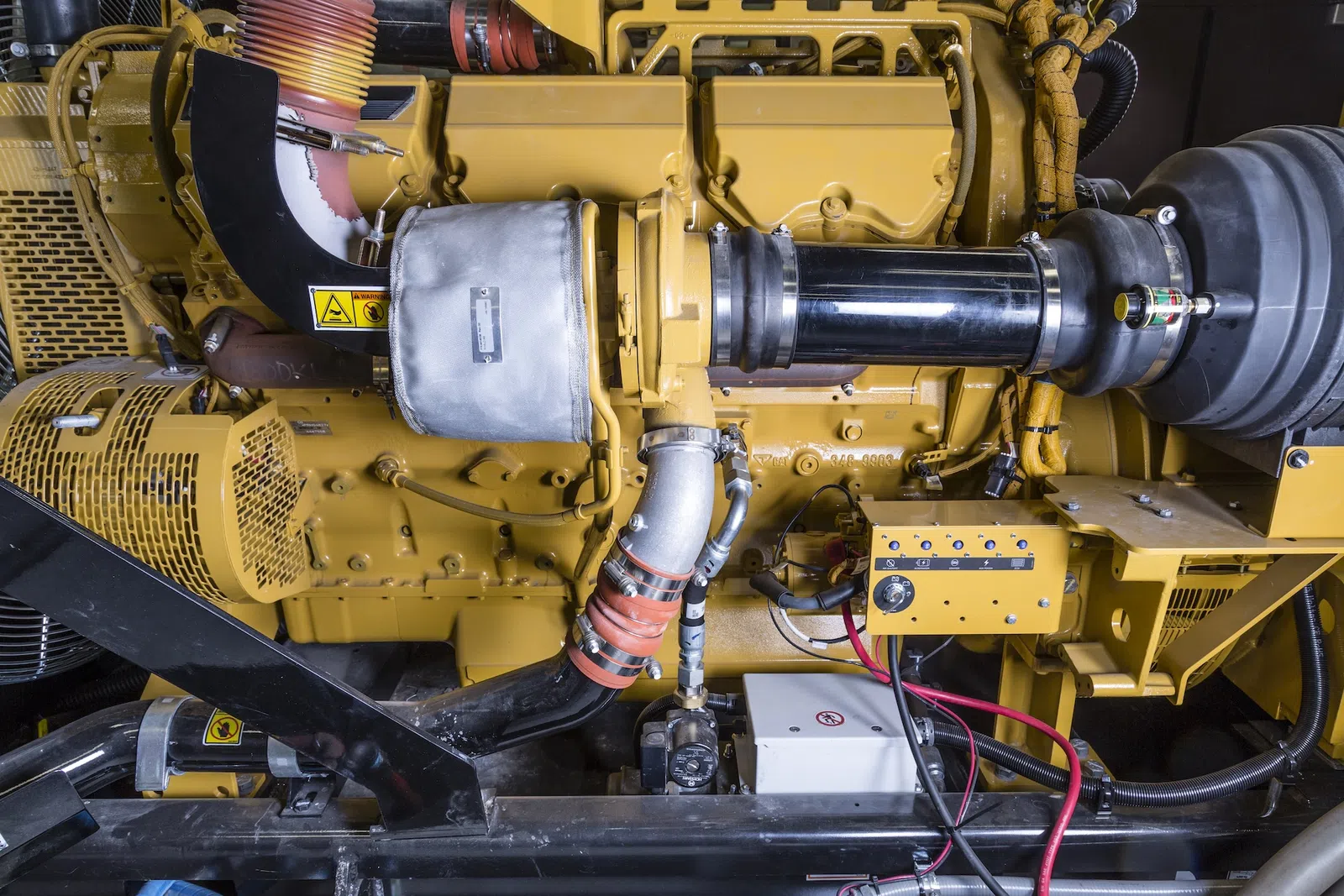
Open Systems Are Becoming the
Industry Standard
The move away
from proprietary controls isn't being driven solely by facility owners. It's
increasingly reflected in government and critical infrastructure initiatives
focused on interoperability, cybersecurity, and long-term flexibility.
Federal
agencies and the Department of Defense have spent years advancing policies that
encourage open architecture approaches and reduce dependence on proprietary
systems. The goal is straightforward: enable organizations to modernize
infrastructure, integrate new technologies, maintain competitive procurement
options, and avoid being locked into a single vendor's ecosystem.
We're seeing
this trend firsthand. Prime Power is currently supporting switchgear controls
modernization discussions at a major federal
facility where reducing dependence on proprietary controls has become a key
objective. Like many organizations, facility stakeholders are looking for
solutions that preserve flexibility, improve integration, and allow future
upgrades without requiring wholesale system replacement.
Whether the
facility is government-owned or privately operated, the underlying challenge
remains the same. Owners want systems that communicate, share data, and evolve
over time without being constrained by proprietary barriers.
Building for the Next 30 Years
The controls
decisions made today will influence how a facility operates for decades.
Whether you're
managing a manufacturing plant, data center, utility facility, commercial
campus, municipal operation, healthcare facility, or other mission-critical
power system, interoperability should be a core design consideration—not an
afterthought.
Resiliency
isn't just about redundancy. It's about ensuring that every critical system can
communicate, coordinate, and operate together when it matters most.
If your
facility is dealing with disconnected systems, aging infrastructure, or
proprietary controls that limit flexibility, Prime Power's Custom Controls team
can help bridge the gap.
Because your
infrastructure should be designed around your operational goals—not around a
single vendor's ecosystem.