
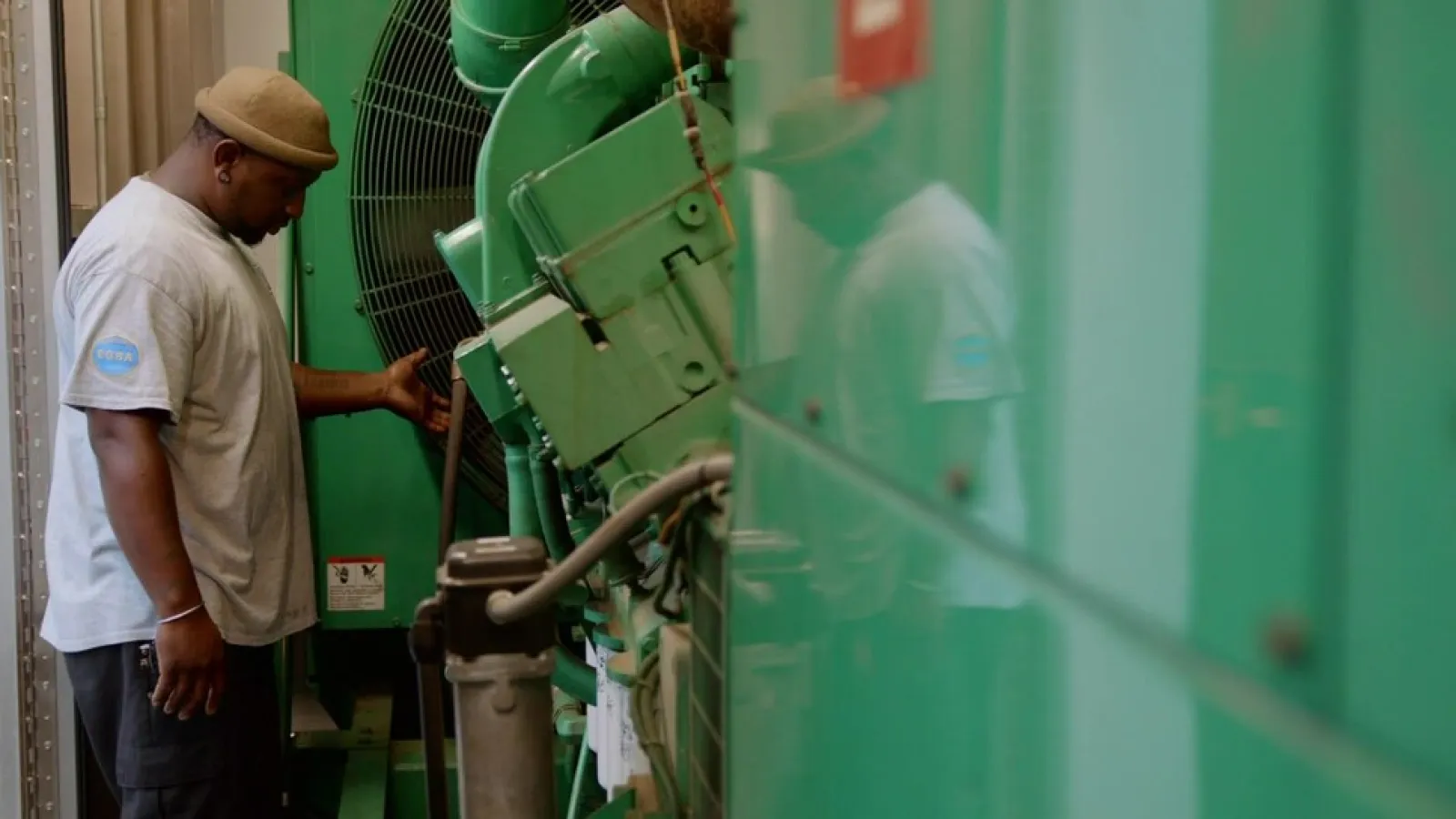
Electrical compliance is no longer just about keeping the lights on. With
the latest expectations surrounding NFPA 70B and NFPA 70E,
organizations are now expected to take a more proactive, documented, and
risk-based approach to electrical system maintenance and safety.
NFPA 70B has become a true standard for electrical equipment maintenance,
raising expectations for written maintenance programs, scheduled inspections,
condition assessments, and documented corrective actions. NFPA 70E continues to
define the requirements for electrical safety in the workplace, including
arc-flash risk assessments, labeling, PPE, and safe work practices. Together,
these standards are changing how facilities manage reliability, worker
protection, and compliance.
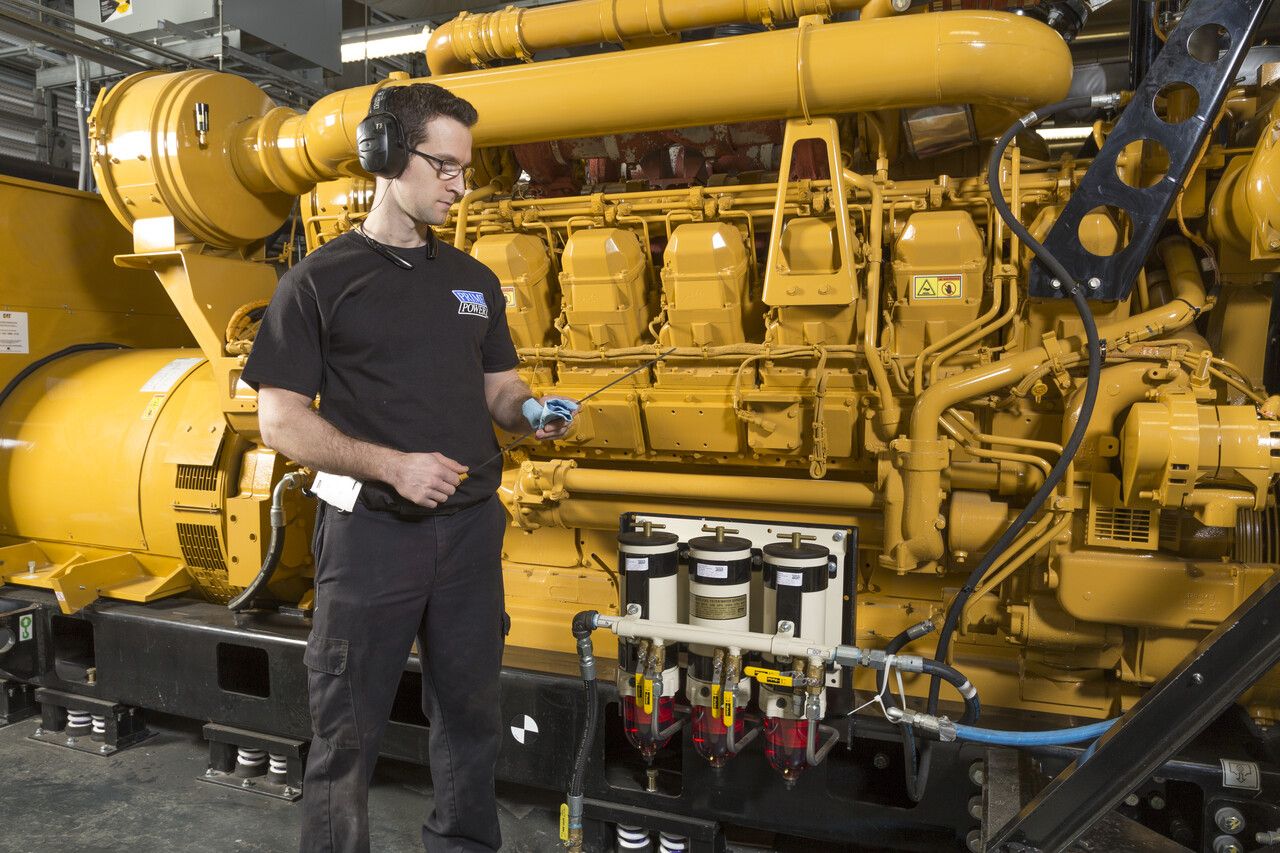
For many facilities, the challenge is not simply understanding the code
changes. The challenge is knowing how to apply them across real-world
electrical infrastructure. From switchgear and breakers to transfer switches,
generators, and distribution equipment, facilities must now be able to show
that their systems are properly maintained, accurately documented, and safe to
service. That includes having a written electrical maintenance program,
performing routine infrared inspections, tracking equipment condition,
maintaining current one-line diagrams, and updating arc-flash, coordination,
and short-circuit studies when system changes occur.
Compliance under NFPA 70B and 70E is no longer based on assumptions or
informal maintenance habits, it requires evidence:
- Equipment must be assessed by condition.
- Maintenance intervals must be justified.
- Safety programs must reflect the actual condition of the electrical system.
If a facility cannot demonstrate that work has been completed,
documented, and aligned with current standards, it increases exposure to
equipment failure, safety incidents, downtime, and regulatory findings.
This is where Prime Power delivers real value
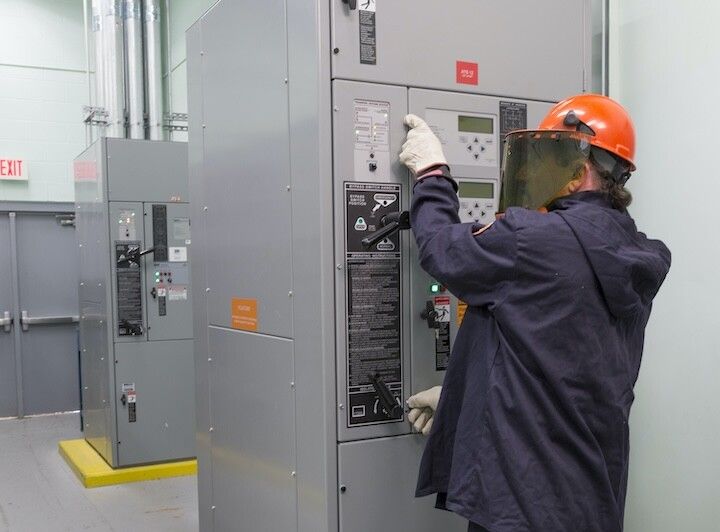
Prime Power helps customers move beyond reactive service and toward a complete compliance and reliability strategy. With capabilities that include:
- Electrical Testing
- Switchgear Services
- ATS Maintenance
- Load Bank Testing
- Breaker Testing
- Arc-Flash Analysis
- Coordination studies, Training, & Engineering Support
Prime Power is equipped to help facilities meet the new requirements from
start to finish.
Just as important, Prime Power does more than perform technical tasks.
The team helps customers advise, guide, and complete the work required
under these evolving standards. That means identifying compliance gaps,
evaluating equipment condition, recommending the right corrective actions,
updating studies and documentation, and executing the field work needed to
improve safety and reliability. For organizations with limited internal
resources, Prime Power serves as an experienced extension of the team - bringing
the technical knowledge, field support, and documentation discipline needed to
stay ahead of inspections and avoid unnecessary risk.
The best response to the new NFPA 70B and 70E requirements is a partner
who understands both the code and the complexity of the systems behind it.
Prime Power brings together engineering expertise, field execution, and
compliance-focused support to help facilities build safer electrical
environments and more reliable power systems.
When the standards change, the right partner makes all the difference.
Prime Power is ready to help you understand the requirements, develop the right
strategy, and complete the work with confidence.