
Power Under Pressure: How Mission-Critical Facilities Can Prepare for a Strained U.S. Grid
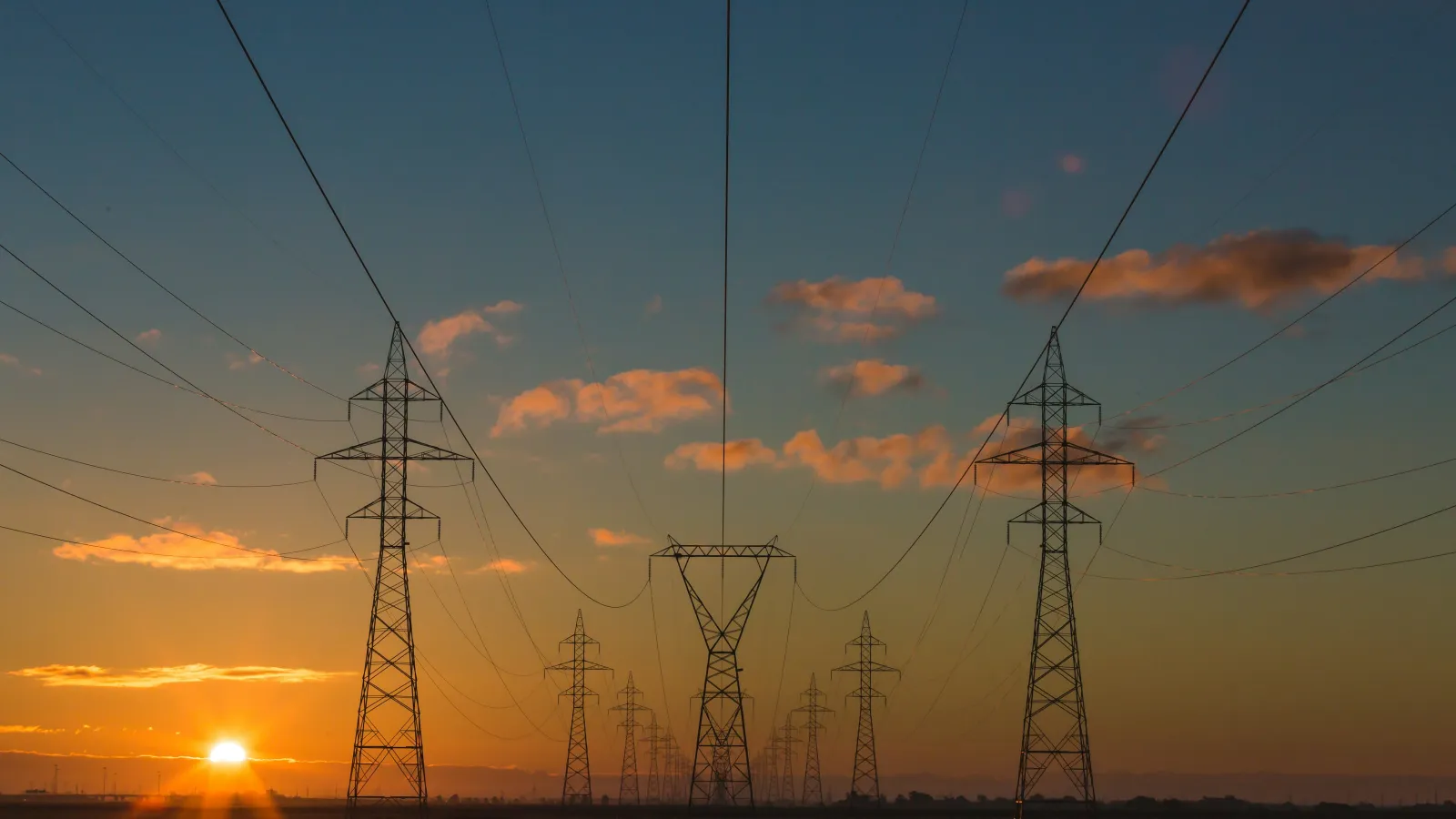
The U.S. power grid is under severe pressure. Amid the rush to retire fossil fuel plants and delay new ones, blackouts could double by 2030, according to the Department of Energy (Reuters). At the same time, America's largest grid operator, PJM Interconnection—which serves 67 million people—is scrambling to meet skyrocketing demand from AI, hyperscale data centers, healthcare systems, and manufacturing campuses.
Capacity auction prices have surged over 800%, and electricity bills could rise more than 20%, all while more than 100 gigawatts of reliable, "firm" power generation is slated for retirement. These structural risks don't just impact utilities—they put mission-critical operations at risk across industries.
For facilities that depend on continuous power—whether to save lives, protect data, ensure compliance, or maintain production—this moment demands strategic action. Power resilience is no longer just about backup generators. It's about building integrated, intelligent systems that protect uptime in a volatile energy landscape. That includes rethinking energy procurement, investing in microgrids, and ensuring your Emergency Power Supply Services (EPSS) are compliant, load-tested, and scaled to handle real-world emergencies.
Prime Power is the nation's most trusted provider of EPSS engineering, training and 365/7 services. We are actively working with our clients to ensure they are prepared for any outage.
Here's more on the current crisis:
1. The Grid Can't Keep Up
- More than 100 GW of firm generation is expected to retire by 2030, while only 22 GW of firm capacity is forecast to come online.
- The result? A growing mismatch between demand and reliable supply—just as AI, automation, and electrification accelerate across sectors.
The Department of Energy's warning is clear: without new firm generation, the risk of large-scale power interruptions will rise sharply. The healthcare, data, manufacturing, and utility sectors will bear the brunt of these outages unless resilience measures—including enhanced EPSS protocols—are implemented now.
2. Why EPSS and Power Resilience Matter Across Industries
Healthcare: Life Depends on It
Hospitals and healthcare facilities rely on NFPA 110-compliant EPSS systems to maintain power to life-safety systems, surgical suites, refrigeration units, and medical records servers. Yet standard code compliance isn't enough if outages stretch beyond typical assumptions. Modern EPSS systems must integrate with facility microgrids and storage to extend runtime and support critical load shedding.
Data Centers: AI Is Driving Demand
With AI models requiring immense computing power, data centers face exponential increases in energy demand. PJM alone must add 32 GW of capacity by 2030 just to support data center and AI growth. EPSS design in these environments must go far beyond N+1 redundancy. Dynamic load balancing, distributed generation, and multi-fuel backup strategies are now part of best practices.
Manufacturing: Every Minute Counts
For high-output manufacturers, even brief outages can halt production lines, spoil raw materials, and trigger costly downtime. EPSS systems should be routinely tested under load, seamlessly integrated with plant automation systems, and capable of restoring power in seconds. Integrating battery storage and real-time demand response with EPSS is quickly becoming the new standard.
Utilities & Energy Infrastructure: Keeping the Lights On
Power plants, substations, and water treatment facilities all require uninterrupted electricity to avoid cascading failures. Utility operators must maintain and often expand EPSS systems not just for compliance, but as active components of grid contingency planning—especially when faced with climate-driven disruptions and rising peak loads.
3. Rethinking Resilience: EPSS in the Modern Era
EPSS today should be thought of as part of a resilience ecosystem—not a siloed, emergency-only solution. Here's how forward-looking facilities are transforming their approach:
A. Hybrid Energy Architecture
Integrate EPSS with on-site generators, UPS systems, battery storage, and renewables. This creates layered resiliency and minimizes fuel dependency. Natural gas generators combined with battery buffering, for example, allow for clean startup and longer runtime.
B. Smart Load Management
Modern EPSS controllers can segment critical vs. non-critical loads and prioritize them during emergencies. With AI-enabled automation, EPSS systems can dynamically respond to peak grid events, support load shedding, and reduce costs.
C. Testing and Maintenance with Purpose
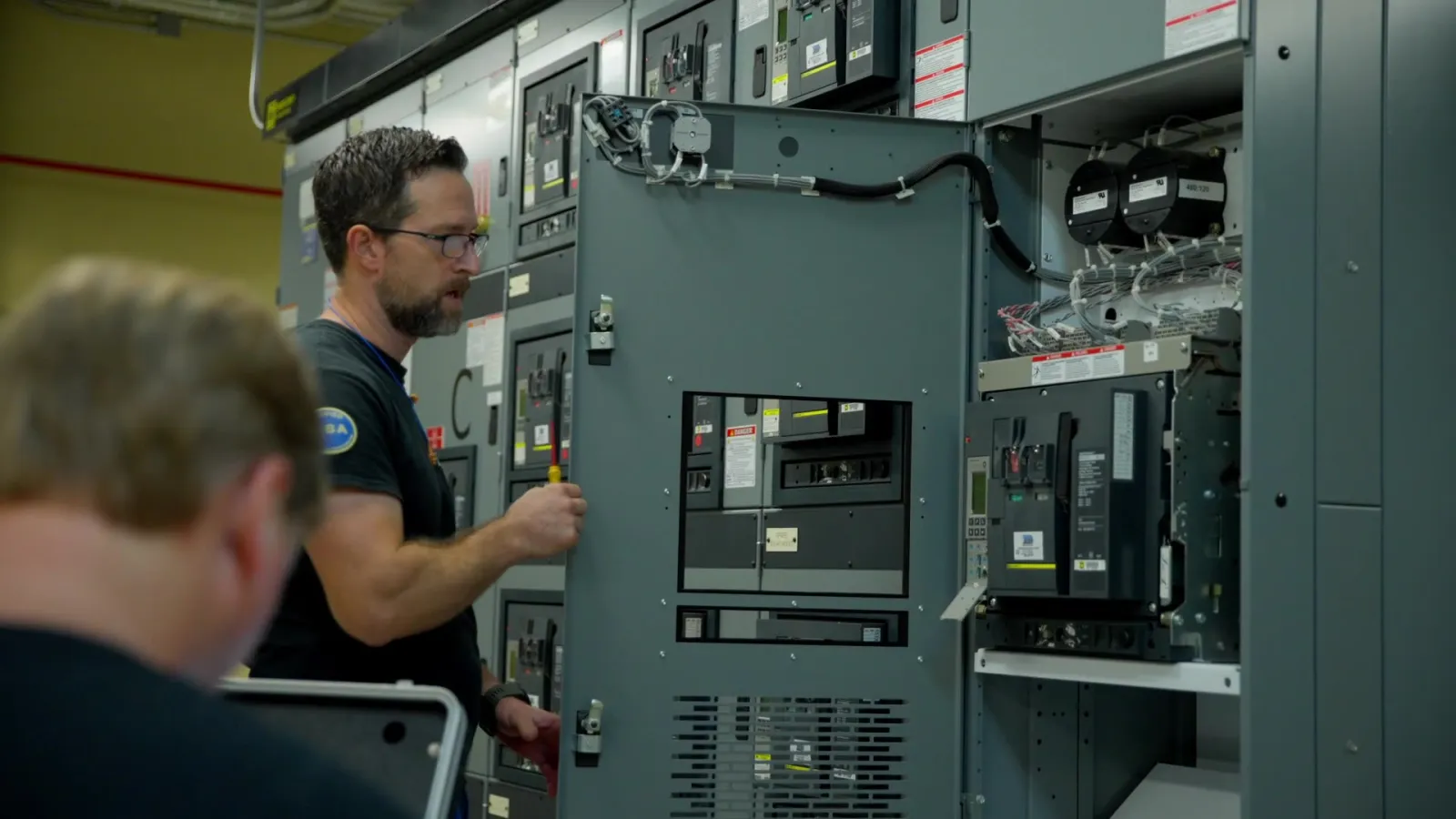
Compliance testing (monthly, annual, under-load, etc.) is the baseline. Leading facilities are going further—simulating grid failures, extending runtimes, and scenario-planning for concurrent outages. Prime Power supports full EPSS audits and NFPA 110 documentation to keep systems inspection-ready and fully functional.
D. Microgrid Integration
A microgrid anchored by a robust EPSS system ensures that a facility—or even a full campus—can island from the grid during outages. Microgrids also open the door to participating in demand response markets, turning resilience into revenue.
4. The Role of Prime Power
Prime Power is a trusted partner for mission-critical facilities looking to strengthen and modernize their EPSS and broader energy infrastructure. Our services include:
- Full EPSS design, engineering, installation, and commissioning
- Generator integration (diesel, natural gas, bi-fuel)
- Battery storage, switchgear, and UPS coordination
- NFPA 110 and CMS compliance testing and reporting
- Microgrid and hybrid power solutions
- 24/7 service, load bank testing, and real-time monitoring
Whether you operate a hospital, data hub, utility plant, or industrial site, we ensure your EPSS is resilient, compliant, and ready for today's challenges—and tomorrow's uncertainties.
5. Time to Act: The Cost of Delay Is Growing
Blackouts. Rate hikes. Capacity shortfalls. The signs are everywhere. According to Reuters, the DOE anticipates that without major infrastructure investments, U.S. power outages could double by 2030. For mission-critical industries, relying solely on outdated or undersized emergency systems is a risk no one can afford.
Modern EPSS is not just about surviving the next storm. It's about enabling your facility to operate confidently under pressure, adapt to rising demand, and take control of your energy destiny.
In Summary
- The U.S. power grid faces a growing mismatch between capacity and demand.
- Healthcare, data, manufacturing, and utilities are especially vulnerable to extended outages.
- EPSS must be reimagined as part of a flexible, scalable resilience strategy.
- Prime Power delivers integrated EPSS systems that go beyond compliance to enable long-term reliability.
Don't wait for the next grid failure to rethink your approach.
Set up a consultation with the Prime Power team today to future-proof your EPSS—and your entire operation.