
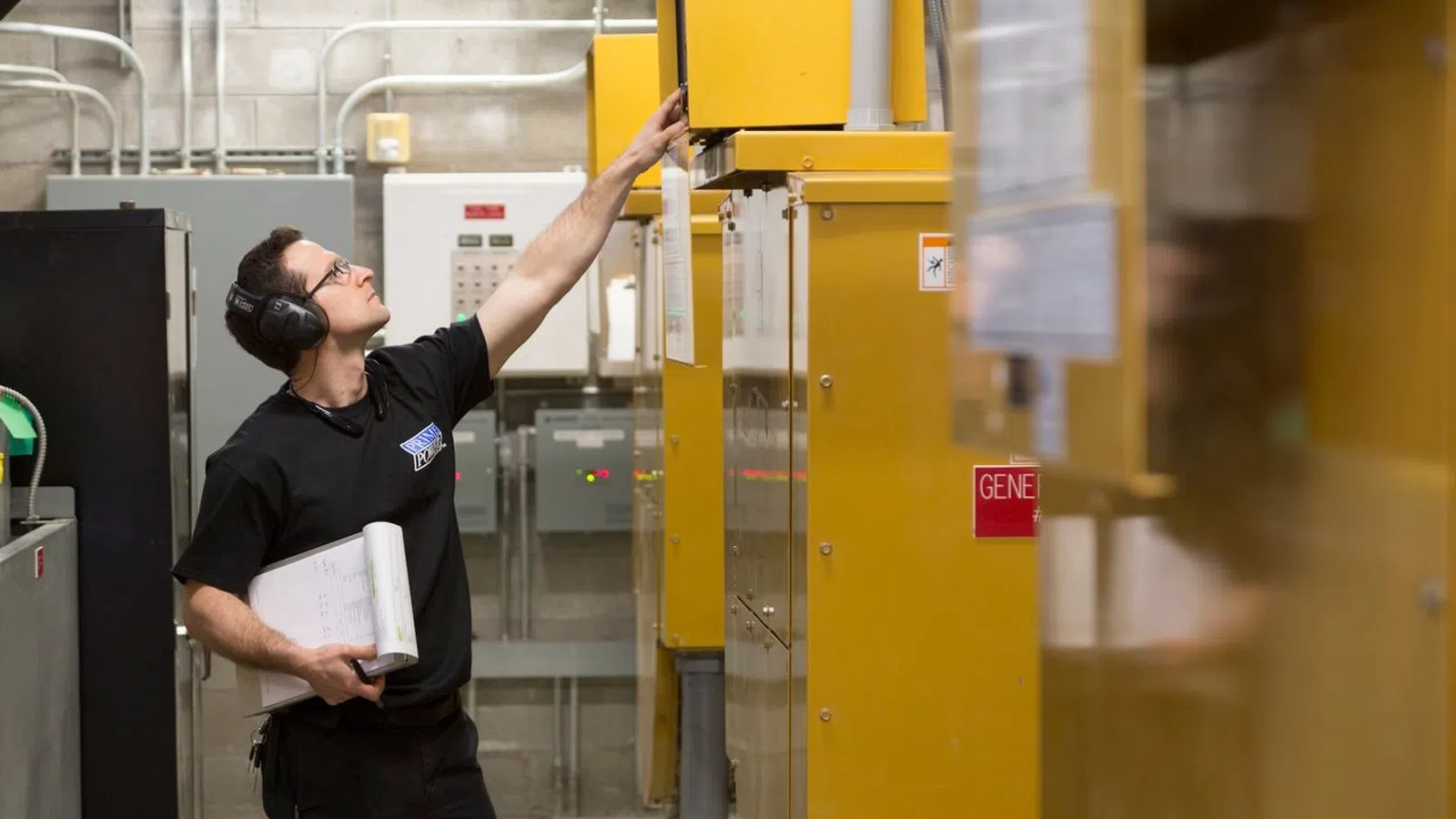
When a commercial generator has a problem, the symptoms can often provide important clues about the cause.
A generator that won't start may have a battery, fuel, or control
issue. A generator that starts but stops unexpectedly could be experiencing
overheating, low oil pressure or a fuel-delivery problem. And if the generator
is running but your facility still has no emergency power, the problem may not
be the generator at all—it could involve the automatic transfer switch (ATS),
switchgear, breakers or controls.
For facility managers, the goal of generator
troubleshooting isn't necessarily to make the repair yourself. It's to
recognize what the system is telling you, gather useful information and know
when to bring in a qualified emergency power technician.
Here are some of the most common commercial generator
problems and what they may mean.
1. The Generator Won't
Start
"Why won't my generator start?" is one of the most common
emergency power troubleshooting questions.
There are several possible causes.
Weak or Dead Starting
Battery
Battery problems are among the first things to consider
when a generator fails to crank. Batteries can deteriorate with age,
temperature, corrosion, loose connections or problems with the charging system.
What facility personnel can check:
- Is the
generator controller powered?
- Does the
display indicate low battery voltage?
- Are there
visible signs of corrosion or damage?
- Has the battery
or charger recently generated an alarm?
- When was the
battery last tested or replaced?
Avoid disconnecting, jumping or servicing generator
batteries unless you are trained and authorized to do so.
Generator Is Not in AUTO
A generator that was placed in OFF or MANUAL mode during
maintenance may not automatically start when utility power fails. Check the
controller from the normal operating position and confirm that the generator
appears to be in the appropriate automatic mode.
If you're unsure why the operating mode changed,
investigate before simply resetting it.
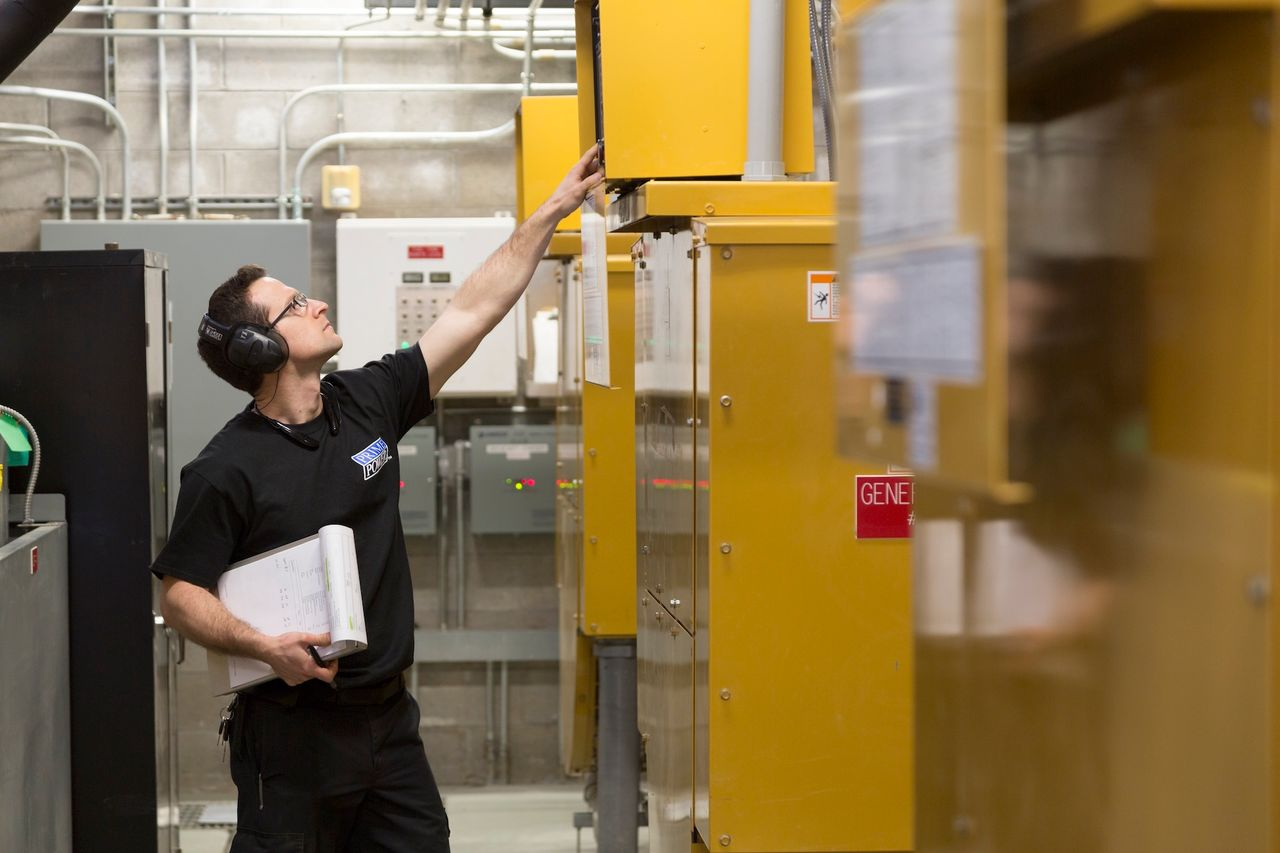
Fuel Supply Problem
A generator needs an adequate supply of usable fuel to
start and continue operating. Depending on the system, problems can include:
- Low fuel level
- Closed fuel
valve
- Contaminated
fuel
- Fuel
restriction due to clogged filter(s)
- Air in the fuel
system
- Fuel pump
problems
- Old or degraded
diesel fuel
For diesel generators, fuel quality can become especially
important at facilities where stored fuel remains in the tank for extended
periods.
Active Fault or Shutdown
Condition
Modern generator controllers monitor numerous operating
conditions. A shutdown may prevent the generator from starting until the
underlying condition is addressed.
Rather than repeatedly clearing an alarm, record the exact
fault code and when it occurred. That information can significantly help a
technician diagnose the problem.
2. The Generator Starts
but Shuts Down
Sometimes a generator starts normally and then shuts down
after a few seconds or minutes. That usually means the system detected an
operating condition that required a shutdown or the engine could not continue
running properly.
Possible causes include:
- High coolant
temperature
- Low oil
pressure
- Fuel-delivery
problems
- Cooling-system
problems
- Sensor or
control faults
- Overspeed or under
speed conditions
- Excessive
electrical load
What Should a Facility
Manager Do?
Record:
- The alarm or
fault code
- How long the
generator ran
- Whether the
facility load transferred
- Generator
temperature or pressure readings visible from the controller
- Any unusual
sounds, smells, smoke or leaks
- What was
happening immediately before the shutdown
Do not repeatedly restart a generator that continues to
shut down. The shutdown may be protecting the equipment from a more serious
problem.
3. The Generator Is
Running, but the Building Has No Power
This is an important distinction:
A running generator does not automatically mean the
emergency power system is working.
If the generator starts but the required facility loads
remain without power, the problem could be elsewhere in the emergency power
system.
Potential causes include:
- ATS failure to
transfer
- Open or tripped
breaker
- Stator issue
- Switchgear
issue
- Control or
communication failure
- Generator
output problem
- Incorrect
operating mode
- Problems within
downstream electrical distribution
This is why emergency power troubleshooting should often go
beyond the generator itself. The generator, automatic transfer switch,
controls, switchgear, fuel system and electrical distribution all have to work
together for emergency power to reach the intended loads.
Prime Power takes a system-level approach to
troubleshooting because a problem that appears to be a "generator failure" may
actually originate somewhere else in the emergency power system.
4. The Generator Is
Overheating
Generator overheating can lead to shutdowns and may
indicate a problem that needs immediate attention.
Potential causes include:
- Low coolant
- Coolant leaks
- Blocked
radiator or ventilation
- Failed fan or
damaged belt
- Dirty
cooling-system components
- High ambient
temperatures
- Excessive
generator load
- Cooling-system
component failure
Facility personnel can look for visible leaks, blocked
ventilation openings and controller alarms without opening guarded or energized
equipment.
If a generator shuts down because of high temperature,
allow qualified personnel to determine the cause before returning the unit to
service.
Simply adding coolant without identifying why the level is
low may leave the underlying problem unresolved.
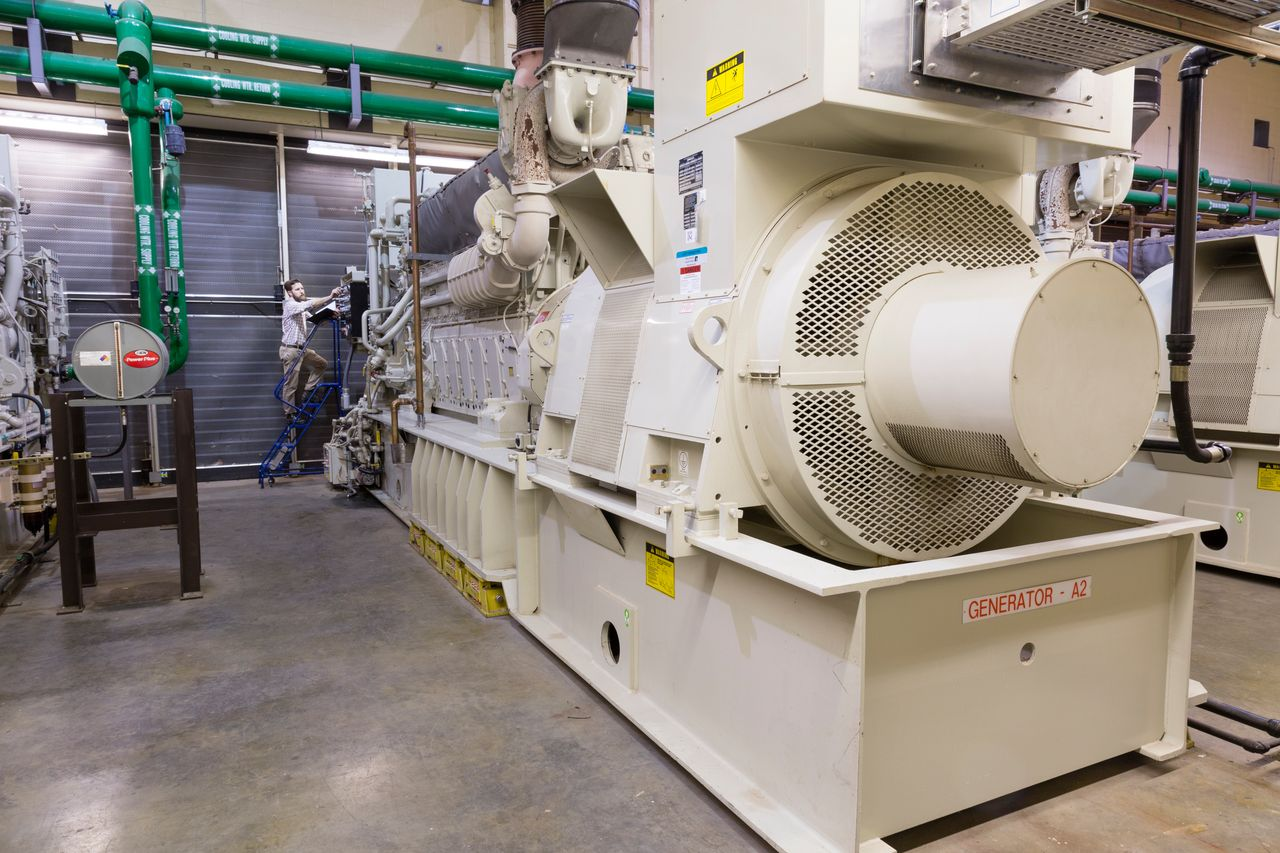
5. The Generator Has an
Oil, Fuel or Coolant Leak
Leaks should never be treated as normal simply because the
generator continues to operate. A leak can indicate a deteriorated hose,
fitting, gasket, seal, tank, radiator or other component.
Look around the equipment for:
- Puddles or wet
areas
- New stains
- Strong fuel
odors
- Visible
dripping
- Fluid around
hoses or fittings
- Changes in
coolant or oil level
Document where the leak appears to originate but avoid
reaching into operating equipment or removing guards and panels to investigate.
Fuel leaks should be treated seriously because they can
create both reliability and safety concerns.
6. Generator Voltage or
Frequency Is Unstable
A commercial generator needs to provide power within
appropriate voltage and frequency ranges for the equipment it supports.
Symptoms of unstable power may include:
- Voltage or
frequency alarms
- Equipment
dropping offline
- Lights
flickering
- Breakers
tripping
- UPS alarms
- Motors
operating abnormally
- Generator speed
fluctuating
Possible causes range from engine-governing and
voltage-regulation issues to load problems, controls or electrical faults. This
type of troubleshooting typically requires trained technicians and appropriate
test equipment.
Facility personnel should document when the problem occurs
and what loads were operating at the time.
7. The Generator Displays
an Alarm or Fault Code
An alarm is information—not an inconvenience to be cleared.
Modern generator controls can provide useful diagnostic information about
conditions such as:
- Low battery
voltage
- High coolant
temperature
- Low oil
pressure
- Overspeed
- Overcrank
- Low fuel
- Charger failure
- Emergency stop
- Communication
problems
- Generator
output conditions
When an alarm occurs, record the exact message or fault
code before anyone resets the controller.
If possible, also note:
- Date and time
- Whether utility
power had failed
- Whether the
generator was exercising or carrying building load
- How long the
unit had been operating
- Whether the
alarm has happened before
A recurring alarm should be investigated even when the
generator appears to return to normal operation.
8. The Generator Exercises
Normally but Fails During an Outage
This can be one of the most frustrating emergency power
problems for a facility team. The generator may start and run successfully
during its routine exercise but struggle when required to support an actual
facility load.
Why?
Running is not the same thing as carrying load. Problems
that may only become evident under load include:
- Cooling
deficiencies
- Fuel-delivery
restrictions
- Voltage or
frequency instability
- Weak engine
performance
- Breaker
problems
- ATS problems
- Excessive or
unexpected load
- Electrical-system
deficiencies
This is one reason weekly and monthly operational testing
and appropriate load testing are important parts of emergency power
reliability.
A generator that starts every week can still have problems
waiting to appear when the facility actually needs it.
Commercial Generator Troubleshooting Guide
|
Symptom |
Possible Causes |
Recommended Next Step |
|
Generator won't crank |
Battery, charger,
starter, controller or shutdown condition |
Review controller and
visible indicators; request service if unresolved |
|
Generator cranks but
won't start |
Fuel supply, controls or
engine-related issue |
Record alarms and verify
basic operating status |
|
Generator starts then
stops |
Temperature, oil
pressure, fuel, sensor or load issue |
Record fault and have
the cause diagnosed |
|
Generator runs but
facility has no power |
ATS, breaker,
switchgear, controls or generator output |
Evaluate the complete
emergency power system |
|
Generator overheats |
Coolant, airflow,
radiator, fan, belt or excessive load |
Stop operation if
required and investigate |
|
Generator leaks |
Hose, seal, fitting,
radiator, fuel or lubrication system |
Document the leak and
request service |
|
Voltage/frequency is
unstable |
Governor, voltage
regulation, controls, load or electrical problem |
Qualified electrical
diagnosis recommended |
|
Alarm keeps returning |
Mechanical, electrical,
sensor or control issue |
Diagnose the underlying
cause instead of repeatedly resetting |
What Facility Managers Can
Safely Check
Facility personnel can provide valuable troubleshooting
information without performing internal mechanical or electrical repairs.
From normal operating positions, consider checking:
- Generator
controller status
- AUTO/OFF/MANUAL
position
- Visible alarm
or fault codes
- Fuel level
- Visible leaks
- Unusual noises
- Unusual odors
or smoke
- External
equipment condition
- ATS status
indicators
- Recent
maintenance and test records
Good documentation can shorten the troubleshooting process.
Photos of controller screens, alarm codes, equipment
identification and visible conditions can also be useful when contacting your
service provider, provided they can be taken safely without opening energized
equipment or removing protective guards.
When to Stop
Troubleshooting and Call for Generator Service
Facility personnel should contact a qualified emergency
power technician when:
- The generator
will not start
- The generator
repeatedly shuts down
- An alarm
continues to return
- The generator
is overheating
- Fuel, coolant
or oil is leaking
- Smoke or a
burning odor is present
- Voltage or
frequency is unstable
- The generator
runs but emergency loads remain without power
- The ATS does
not transfer
- Breakers
repeatedly trip
- There is
evidence of damaged electrical equipment
- A problem
involves energized electrical components
- The cause of
the problem is unclear
Do not bypass safety devices, defeat interlocks, repeatedly
reset shutdowns or open energized electrical equipment in an attempt to restore
service.
Emergency power systems can involve hazardous voltage,
moving equipment, hot surfaces, pressurized systems and combustible fuel.
he Best Generator
Troubleshooting Happens Before an Outage
Troubleshooting during an outage is reactive.
Preventive maintenance, inspection and testing give
facility teams the opportunity to find many of the same problems before
emergency power is actually needed. Battery deterioration, fuel problems,
recurring alarms, small leaks, transfer-switch issues and inconsistent
operating data can all provide early warnings of a developing failure.
Maintenance records are especially valuable. One unusual
reading may not tell the entire story, but a pattern across multiple
inspections or tests can reveal deteriorating performance.
For facilities where uptime is critical, emergency power
reliability should be evaluated as a complete system—not simply as a generator
engine that starts.
Troubleshooting the
Complete Emergency Power System
When utility power fails, multiple systems have to work in
sequence.
The generator must start. The engine must reach proper
operating conditions. Generator output must be available. Controls must
communicate correctly. The ATS must recognize the emergency source and transfer
the required load. Switchgear and distribution equipment must then deliver that
power where it is needed.
A failure anywhere in that sequence can leave a facility
without emergency power.
Prime Power provides generator troubleshooting,
preventative maintenance, emergency service, ATS support, switchgear service,
load bank testing, fuel-system support and other emergency power services for
commercial and mission-critical facilities backed by a full engineering
department (PE, ME, EE).
If your generator won't start, repeatedly alarms, shuts
down unexpectedly or runs without supplying power to the facility, the problem
deserves more than another reset.
Have the complete emergency power system evaluated and
identify the cause before the next outage puts it to the test.
Frequently Asked Questions
Why won't my commercial generator start?
Common causes include a weak starting battery, fuel
problems, an incorrect controller mode, active shutdown faults or
starting-system problems. Check the controller for alarms and confirm basic
operating status. If the cause isn't obvious, have the generator inspected by a
qualified technician.
Why does my generator start and then shut off?
A generator may shut down because of high coolant
temperature, low oil pressure, fuel problems, excessive load or a sensor or
control fault. Record the shutdown code rather than repeatedly restarting the
unit.
Why is my generator running but my building still has no
power?
The generator may not be the source of the problem. An ATS,
breaker, switchgear, control-system or electrical-distribution issue can
prevent emergency power from reaching the required loads.
Should I reset a generator alarm?
Record the alarm or fault code first. A one-time reset may
be part of an approved operating procedure, but recurring alarms should be
diagnosed rather than repeatedly cleared.
Can a generator pass its weekly exercise and still fail
during an outage?
Yes. An unloaded or lightly loaded exercise does not
necessarily reproduce the conditions the generator will experience while
supporting facility loads. Problems with fuel delivery, cooling, generator
output, ATS operation or other parts of the emergency power system may only
become apparent under load.
When should I call a commercial generator technician?
Call for service when the generator won't start, repeatedly
shuts down, overheats, leaks, produces unstable power, shows recurring alarms
or runs without supplying the required facility loads. Issues involving
energized equipment should always be handled by qualified personnel.