
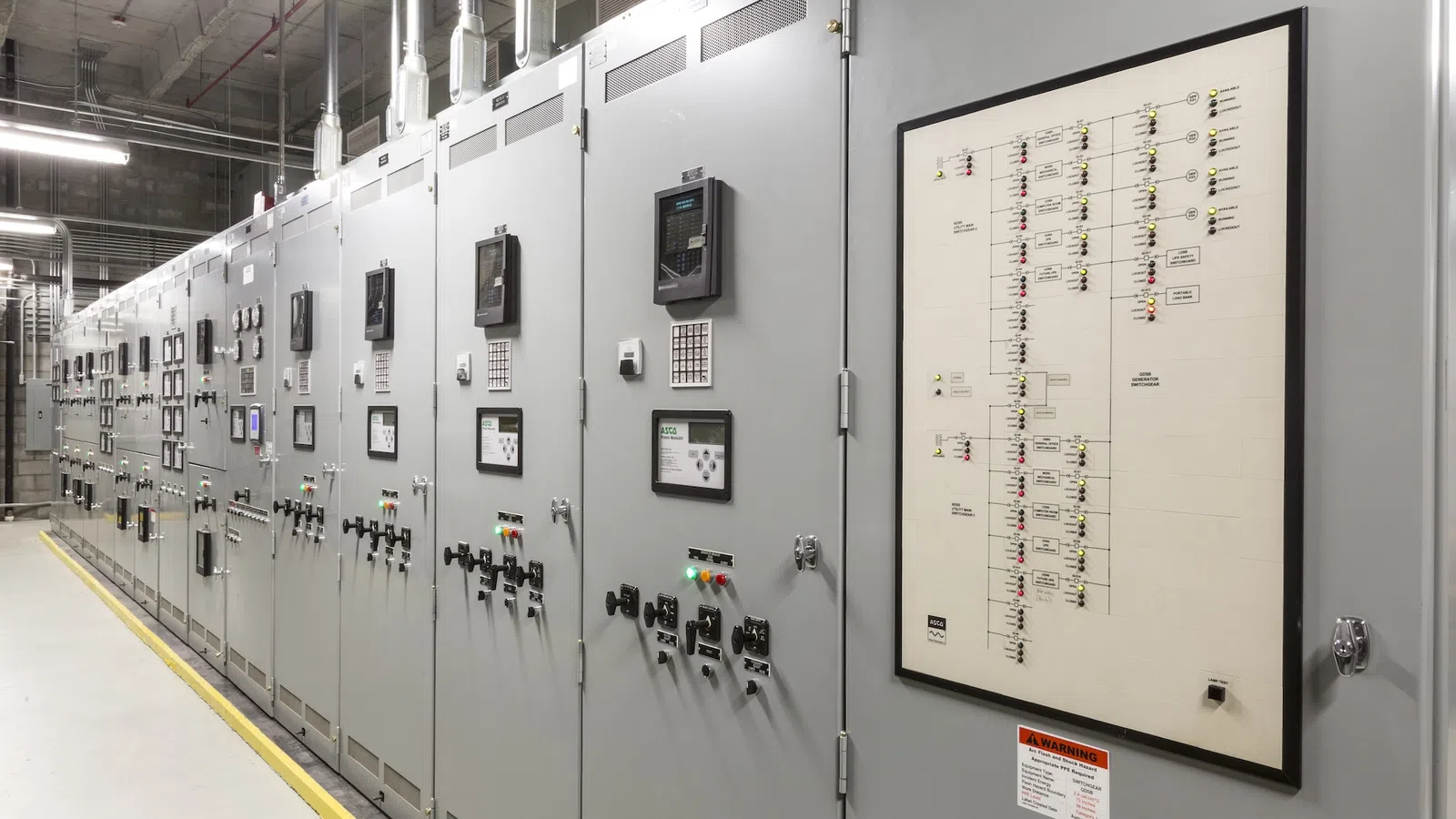
When utility power fails, a facility's generator may be ready to run, but emergency power will not reach the building unless the automatic transfer switch performs correctly.
An automatic transfer switch, or ATS, monitors the normal power source and transfers designated loads to emergency power during an outage. Once utility power returns, it transfers the load back. Because the ATS is a critical link in the emergency power system, regular inspection, testing, maintenance, and documentation are essential.
This ATS maintenance checklist can help facility managers identify warning signs, support testing requirements, and know when to call a qualified service provider.
Critical safety warning: Never open an automatic transfer switch cabinet unless you are qualified, trained, and authorized to do so. An ATS is energized with utility wiring even when the generator is not running. Opening the cabinet can expose personnel to shock, severe burns, arc flash, or death.
Why ATS Maintenance Matters
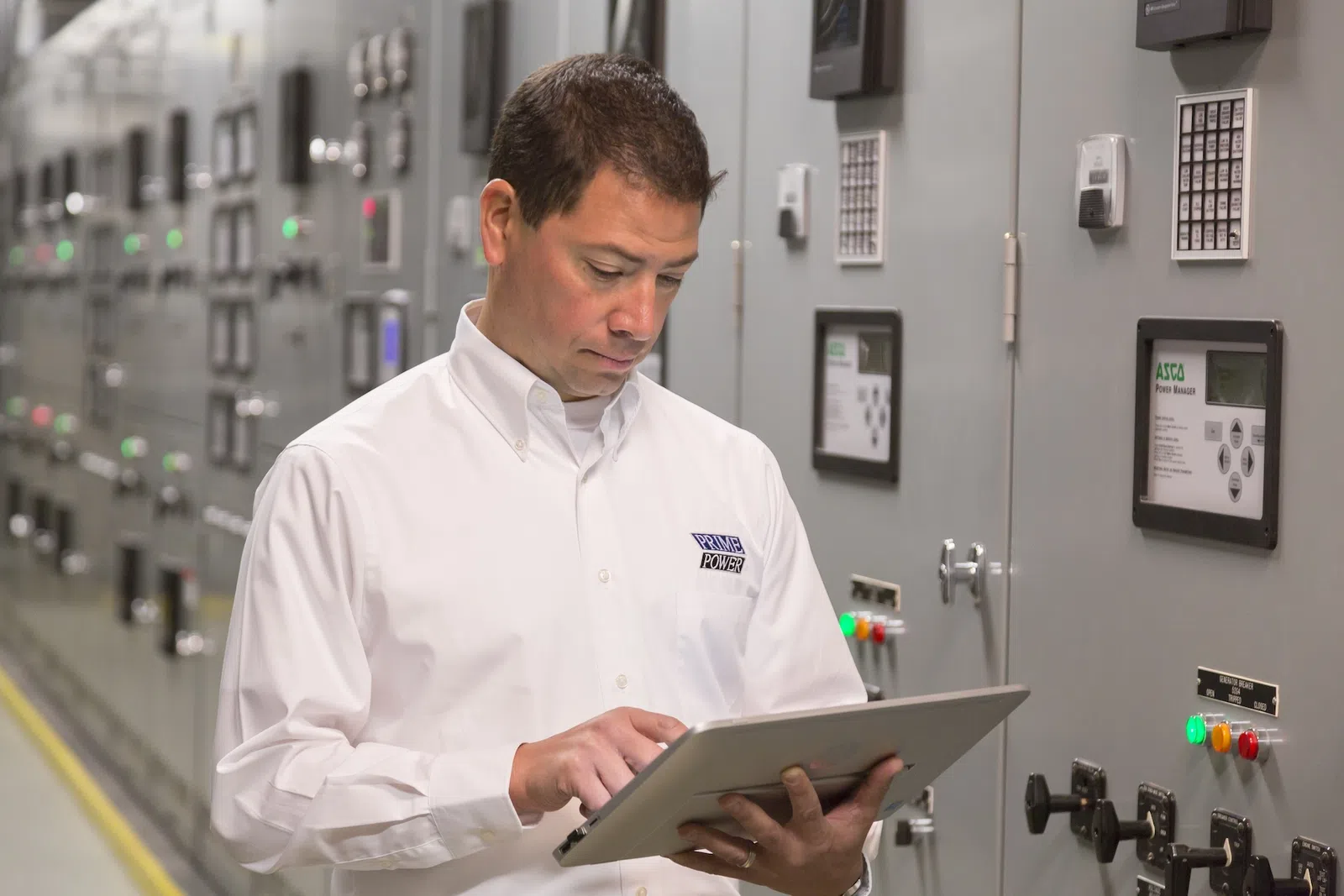
Facility teams often focus on generator maintenance, but emergency power reliability depends on more than the generator. It also depends on transfer switches, controls, fuel systems, batteries, switchgear, monitoring systems, and the loads supported by emergency power.
A generator can start successfully while the ATS fails to transfer the building load. Preventive ATS maintenance helps identify developing problems before an outage exposes them.
For example, Prime Power technicians may arrive at a facility where the generator passes its routine exercise, but the ATS shows an intermittent alarm or delayed transfer. Finding and correcting that issue during scheduled maintenance can help prevent a loss of emergency power during an actual utility outage.
NFPA 110 Testing Considerations
NFPA 110 Chapter 8 addresses routine maintenance and operational testing of emergency power systems.
For applicable systems, transfer switches should be electrically operated from normal power to emergency power and back during monthly testing. The operating sequence and test results should be documented.
The commonly referenced requirement to operate at a minimum of 30% load for 30 minutes does several things. It allows the generator to burn off excess fuel, tests its ability to properly perform during an outage, and is a required load. (*If 30% cannot be met, an annual Load Bank test must be performed.) ATS testing monthly is a manufacturer's recommendation, referenced by proper code procedure. By design, an ATS is designed to 'self-clean' itself during these tests. So, testing the ATS follows manufacturers recommendations and assists the generator testing it capacity to hold load. Facility teams should always follow the adopted NFPA edition, manufacturer instructions, facility procedures, and requirements of the authority having jurisdiction.
In a typical Prime Power service visit, a technician may review previous test records before beginning work. A pattern of increasing transfer times, recurring alarms, or inconsistent test results can provide valuable clues about a developing equipment problem.
Weekly Automatic Transfer Switch Inspection
Weekly visual inspections should be performed from outside the closed cabinet.
Check the surrounding area
Confirm that:
- Access and required working space are clear
- The area is clean and dry
- Water is not leaking or collecting near the ATS
- The enclosure is not dented or damaged
- Ventilation openings are not blocked
- Materials are not stored around the equipment
For example, a facility manager may discover that boxes, cleaning supplies, or maintenance equipment have gradually accumulated around the ATS. Clearing the area helps preserve required access and makes it easier to spot water intrusion or physical damage.
Look for signs of damage
From outside the cabinet, look for:
- Burn marks, soot, or discoloration
- Warped panels or melted labels
- Evidence of overheating
- A burning or ozone-like odor
- Damage near cabinet seams or edges
- Moisture, corrosion, or condensation
Do not touch or open the cabinet to investigate. If something appears wrong, restrict access and contact a qualified service provider.
Prime Power technicians are sometimes called after a facility employee notices discoloration near a cabinet edge or an unfamiliar electrical odor. These early observations can help technicians investigate a potential overheating or connection problem before it results in equipment failure.
Review lights and indicators
Verify that the ATS appears to be in the expected operating condition. Depending on the equipment, indicators may show:
- Normal source available
- Emergency source available
- Load connected to normal
- Load connected to emergency
- Automatic mode
- Active alarms
A blank display, unfamiliar light, alarm, or unexpected switch position should be documented and investigated.
For instance, an ATS may appear to be operating normally while an indicator shows that it has been left in a nonautomatic mode following previous service. A simple visual inspection can reveal that the system may not respond automatically during an outage.
Listen for unusual sounds
Buzzing, chattering, repeated clicking, or other unfamiliar sounds may indicate a mechanical, control, or electrical problem. Do not open the enclosure to locate the source.
When facility personnel can describe when the sound occurs and how long it lasts, Prime Power technicians can use that information to help diagnose the problem.
Monthly ATS Operational Test
The monthly test confirms that the emergency power system can respond to a simulated utility outage and that the ATS can transfer and retransfer the load.
Before testing:
- Notify affected personnel and departments
- Identify critical loads that may be interrupted
- Review recent alarms and open deficiencies
- Confirm the generator and ATS are available
- Follow the approved testing procedure
During the test, document:
- Test start time
- Generator start time
- Emergency source availability
- ATS transfer time
- Generator load, voltage, and frequency when available
- Alarms or abnormal conditions
- Test duration
- Utility restoration
- ATS retransfer time
- Generator cooldown and shutdown
- Final equipment status
Testing procedures and acceptance criteria may vary by facility, equipment, code edition, and regulatory requirements.
At a healthcare facility, for example, Prime Power may coordinate testing around patient-care operations and verify the sequence across multiple transfer switches. At a distribution center, testing may be scheduled to avoid interrupting conveyors, refrigeration, or shipping systems.
What Facility Personnel Should Never Do
Unless properly qualified, trained, and authorized, facility personnel should not:
- Open the ATS enclosure
- Remove covers or panels
- Reach inside the cabinet
- Tighten electrical connections
- Reset internal devices
- Clean internal components
- Use test equipment on energized parts
- Force the transfer mechanism
- Bypass alarms or interlocks
- Troubleshoot energized equipment
When something appears wrong, document the condition and contact a qualified emergency power technician.
A helpful service request might include the ATS location, equipment identification number, indicator status, time the issue was observed, recent test activity, and photographs of the closed enclosure. This information can help Prime Power prepare for the visit without requiring facility personnel to approach energized components.
Professional ATS Preventive Maintenance
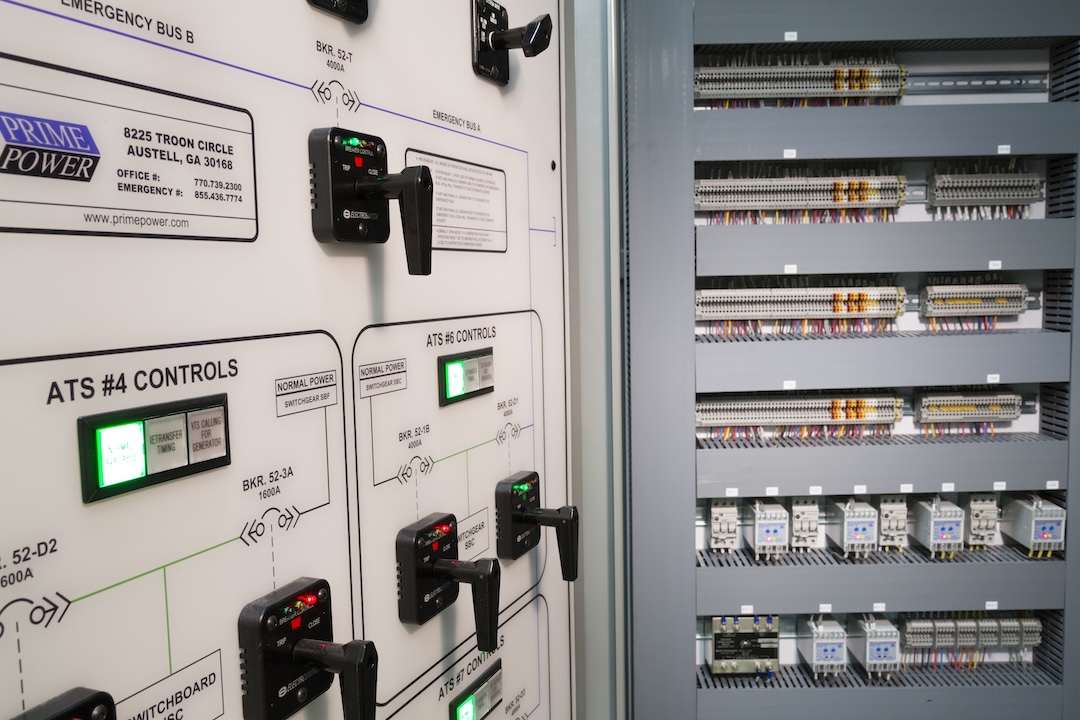
Weekly inspections and monthly testing do not replace professional preventive maintenance.
A qualified ATS technician may:
- Review alarms and operating history
- Test transfer and retransfer functions
- Verify source sensing and time delays
- Inspect controls, wiring, contacts, and mechanisms
- Check electrical connections
- Clean internal components when appropriate
- Test bypass-isolation equipment
- Verify remote alarms and monitoring
- Perform infrared inspections
- Document deficiencies and recommended repairs
For example, a Prime Power technician may identify worn contacts, loose control wiring, an aging relay, or incorrect time-delay settings during preventive maintenance. Addressing those items proactively is generally less disruptive than troubleshooting the ATS during an outage.
Maintenance frequency should reflect manufacturer recommendations, equipment condition, operating environment, facility risk, and applicable standards.
Warning Signs That Require Service
Contact a qualified service provider when you observe:
- Burn marks, soot, heat, or a burning odor
- Buzzing, chattering, or repeated clicking
- Active alarms or a blank display
- Failed transfer or retransfer
- Excessive transfer time
- A generator that runs without powering the load
- Water intrusion, corrosion, or condensation
- Physical damage to the cabinet
- Inconsistent test results
- Missing or overdue maintenance records
Do not wait for the next scheduled inspection when there is evidence of smoke, overheating, arcing, water intrusion, or unreliable operation.
Prime Power may also recommend service when an ATS repeatedly passes testing but shows progressively slower transfer times. Trends in the maintenance records can reveal issues that may not be obvious during a single inspection.
ATS Maintenance Checklist
Weekly visual inspection
☐ Keep the ATS cabinet closed
☐ Confirm access and working space are clear
☐ Check for water, corrosion, or condensation
☐ Inspect the cabinet for physical damage
☐ Look for soot, burn marks, or discoloration
☐ Check for unusual odors
☐ Review source, position, mode, and alarm indicators
☐ Listen for buzzing, chattering, or clicking
☐ Record all observations
☐ Contact a qualified technician if something appears wrong
Monthly operational test
☐ Review the approved test procedure
☐ Notify affected personnel
☐ Confirm critical loads and operational risks
☐ Review alarms and open deficiencies
☐ Initiate the emergency power test
☐ Verify generator start
☐ Verify ATS transfer to emergency power
☐ Record the transfer time sequence
☐ Record generator load and operating data
☐ Verify retransfer to normal power
☐ Confirm generator cooldown and shutdown
☐ Document results and corrective actions
Stop and request service when
☐ The ATS fails to transfer or retransfer
☐ Burn marks, smoke, heat, or unusual odors are present
☐ The enclosure is wet, corroded, or damaged
☐ Unexpected alarms or indicators appear
☐ The ATS makes unusual sounds
☐ Transfer times are inconsistent
☐ The generator runs but the load does not transfer
Do not open the ATS cabinet as part of this inspection. Internal inspection, testing, cleaning, adjustment, and repair should be performed only by qualified and authorized personnel.
Protect the Link Between Your Generator and Facility
An automatic transfer switch may receive little attention during normal operations, but it becomes one of the most important components in the building when utility power fails.
Weekly visual inspections, monthly operational testing, accurate documentation, and professional preventive maintenance can help uncover problems before an emergency.
Prime Power provides automatic transfer switch inspections, preventive maintenance, testing, troubleshooting, and repair as part of complete emergency power system support. Whether a facility operates one ATS or a network of transfer switches supporting multiple buildings and critical loads, Prime Power can help evaluate the complete system and document recommended next steps.
Concerned about an ATS alarm, failed test, overdue inspection, or inconsistent transfer time? Request an ATS inspection or preventive-maintenance visit from Prime Power.
This article provides general information and is not a substitute for applicable codes, manufacturer instructions, facility safety procedures, or direction from the authority having jurisdiction.