Load Bank Testing
The critical role of
Load Bank Testing
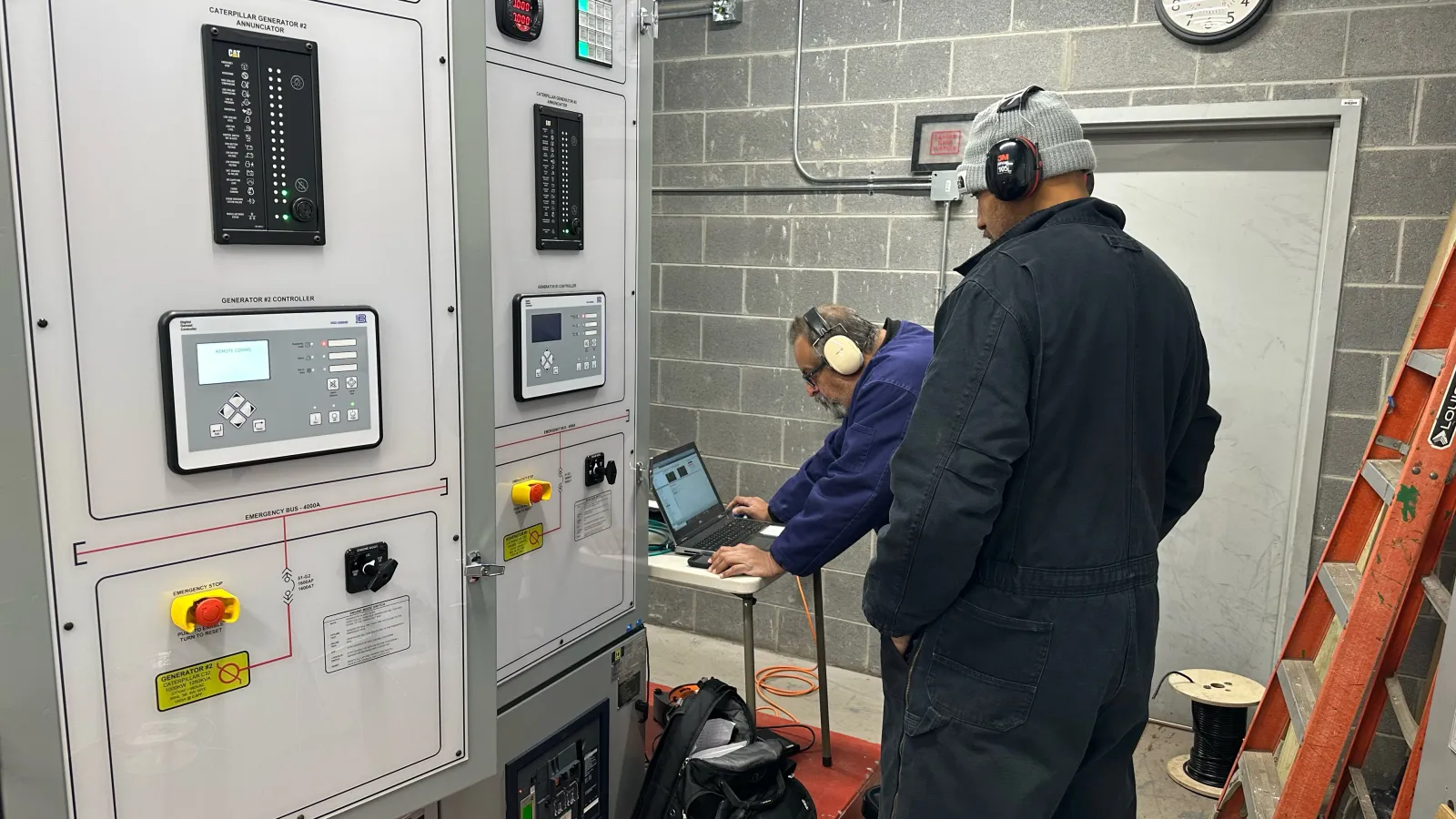
Load bank testing is a vital part of your preventive maintenance practice for emergency power supply systems (EPSS). It tests the operational performance of the generator under load conditions.
This helps avoid future damages or breakdowns and ensures reliable generator operation during a power failure.
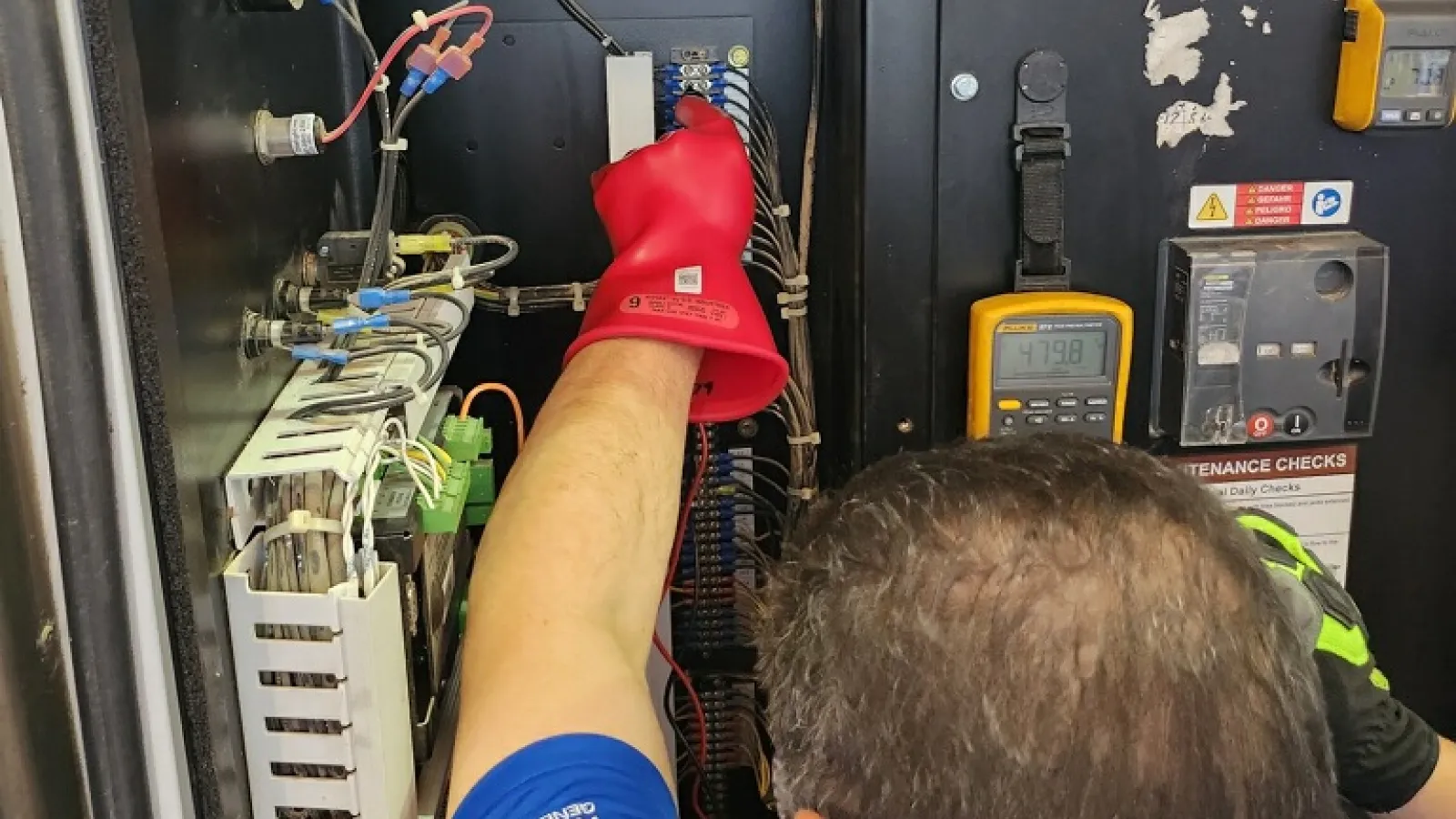
The Benefits of
Load Bank Testing
Load bank testing offers numerous key benefits for maintaining emergency power supply systems.
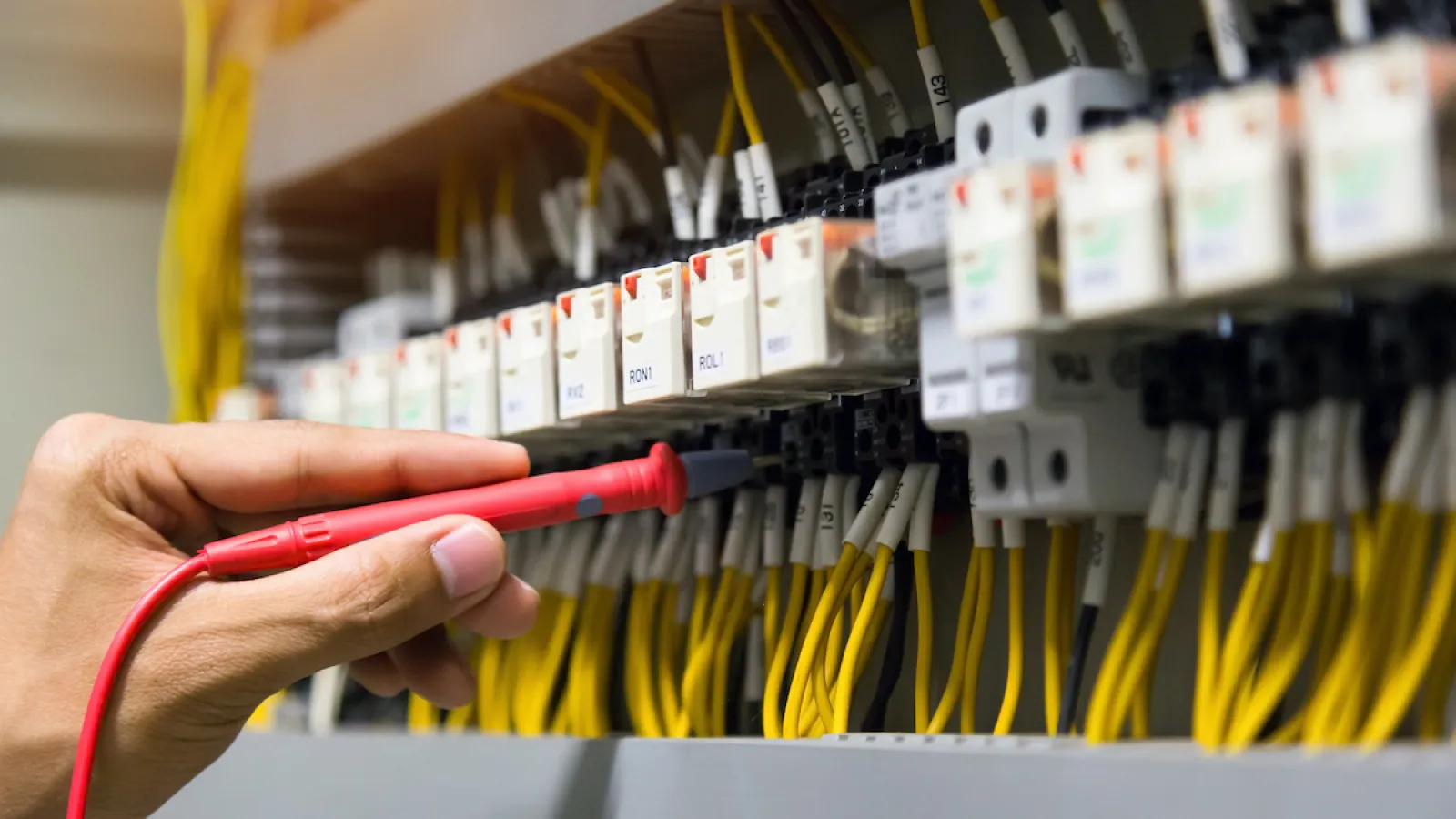
Detects Problems Before a Failure
Testing can reveal issues with the generator or other components before they cause a critical failure, allowing for proactive maintenance and repairs.
Extends Equipment Life
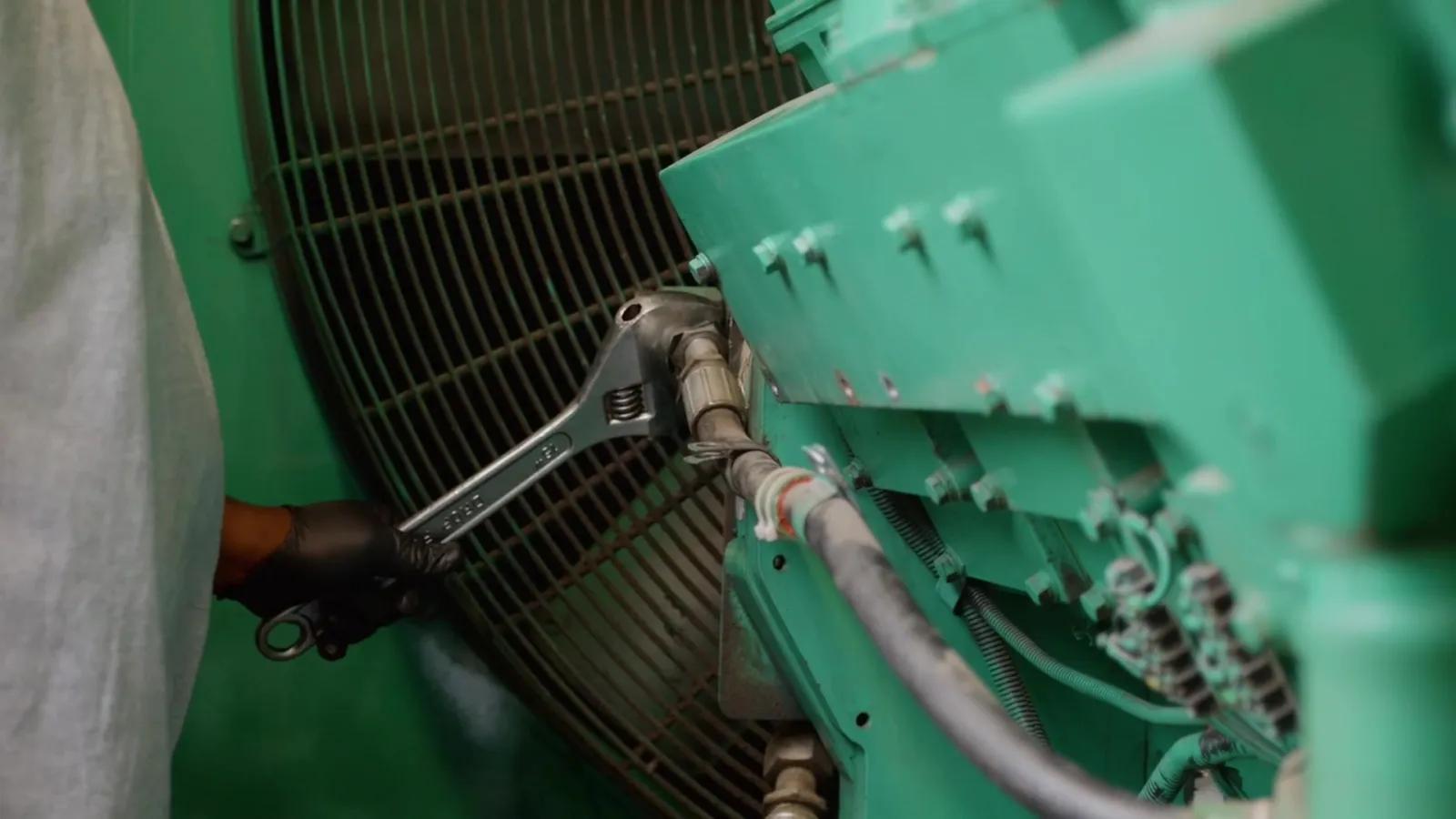
By preventing issues like wet stacking and ensuring proper operation, load bank testing can help extend the life of the generator and other power supply system components.
Ensures Reliability
Regular load bank testing helps ensure that the power supply system will perform as expected when needed, reducing the risk of failure during an actual power outage.

Maintains Compliance
Regular testing helps maintain compliance with industry standards and regulations, such as National Fire Protection Association (NFPA) 110, which is crucial for facilities like hospitals and data centers.
Reduces Downtime
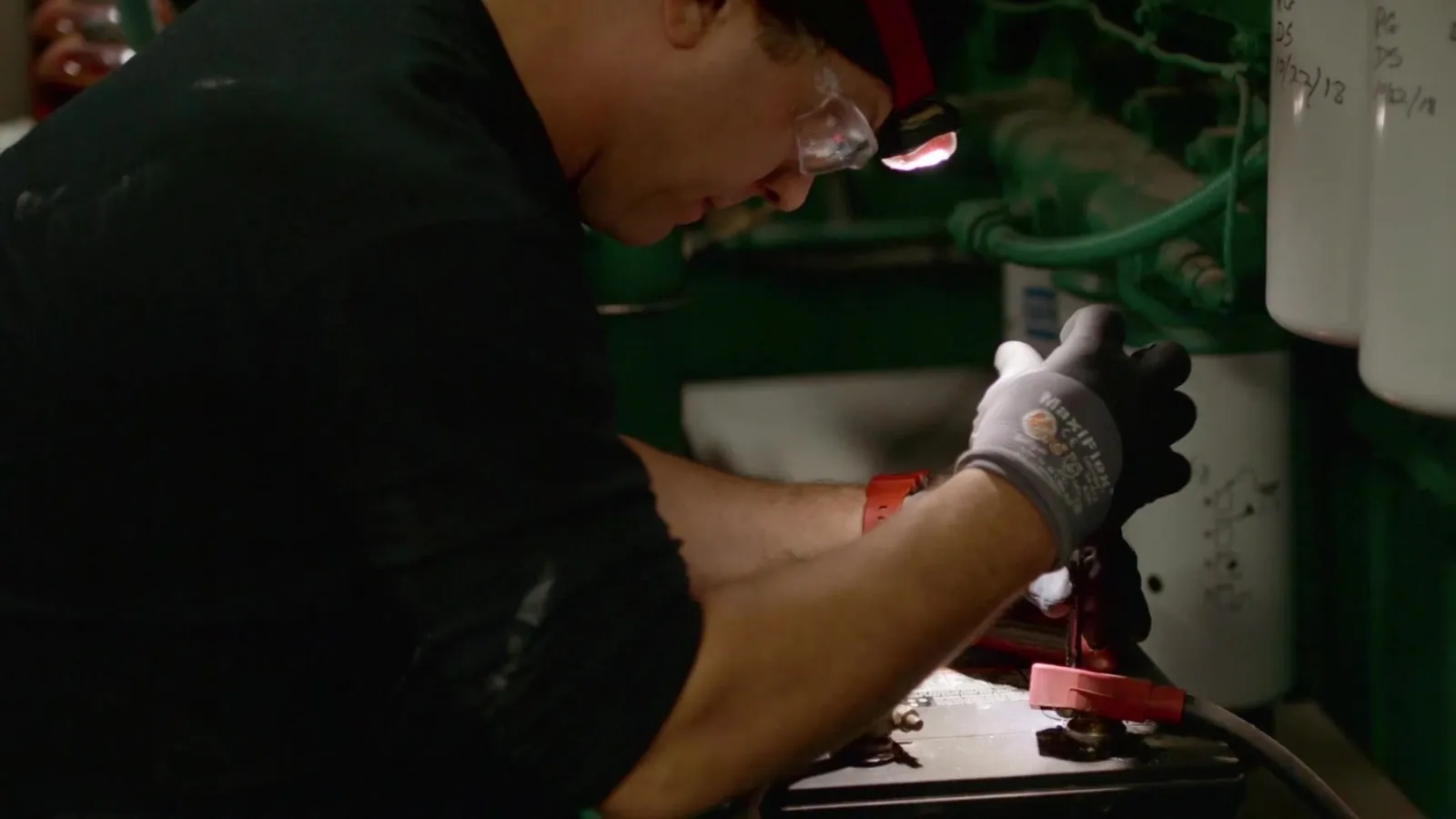
By identifying and addressing issues before they cause a failure, load bank testing can help minimize downtime and ensure that the power supply system is available when needed.
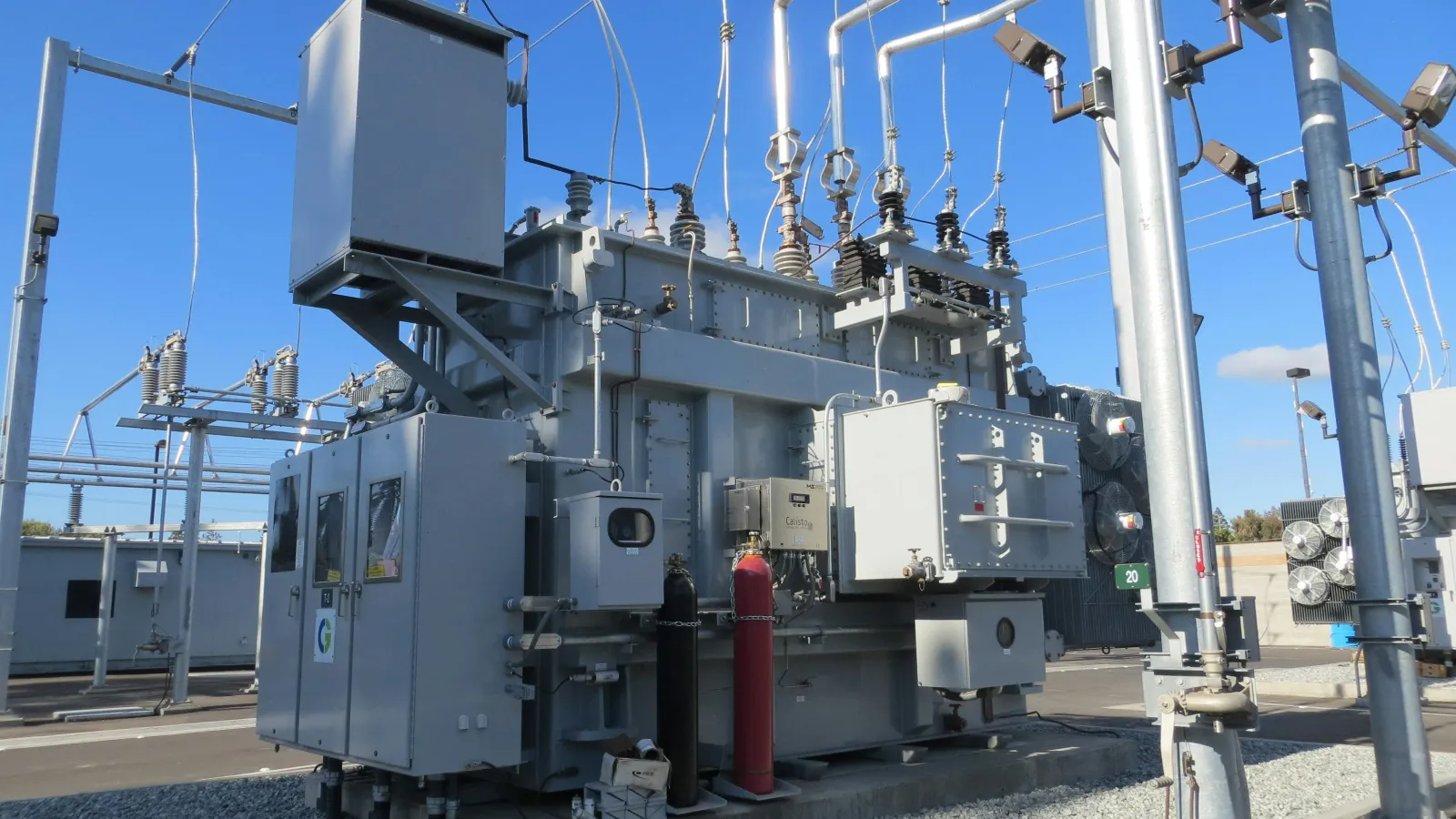
Verifies Power Output
Testing confirms that the generator can provide its rated power output, ensuring that it meets the required load demands during an emergency.
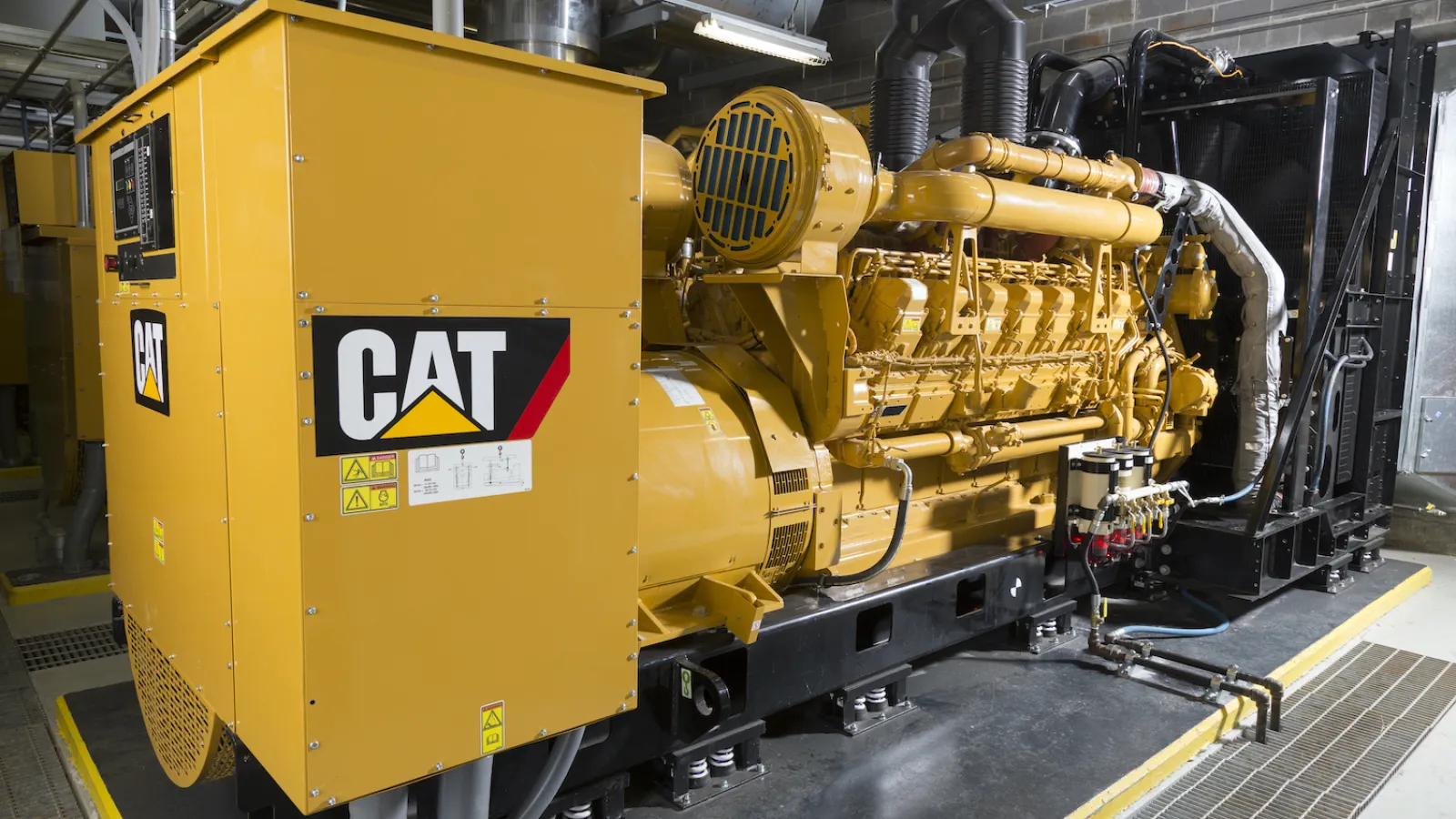
Upskills Your Team
Load bank testing helps engineers and field technicians upskill and familiarize themselves with the operation and maintenance of the power supply system under controlled conditions.
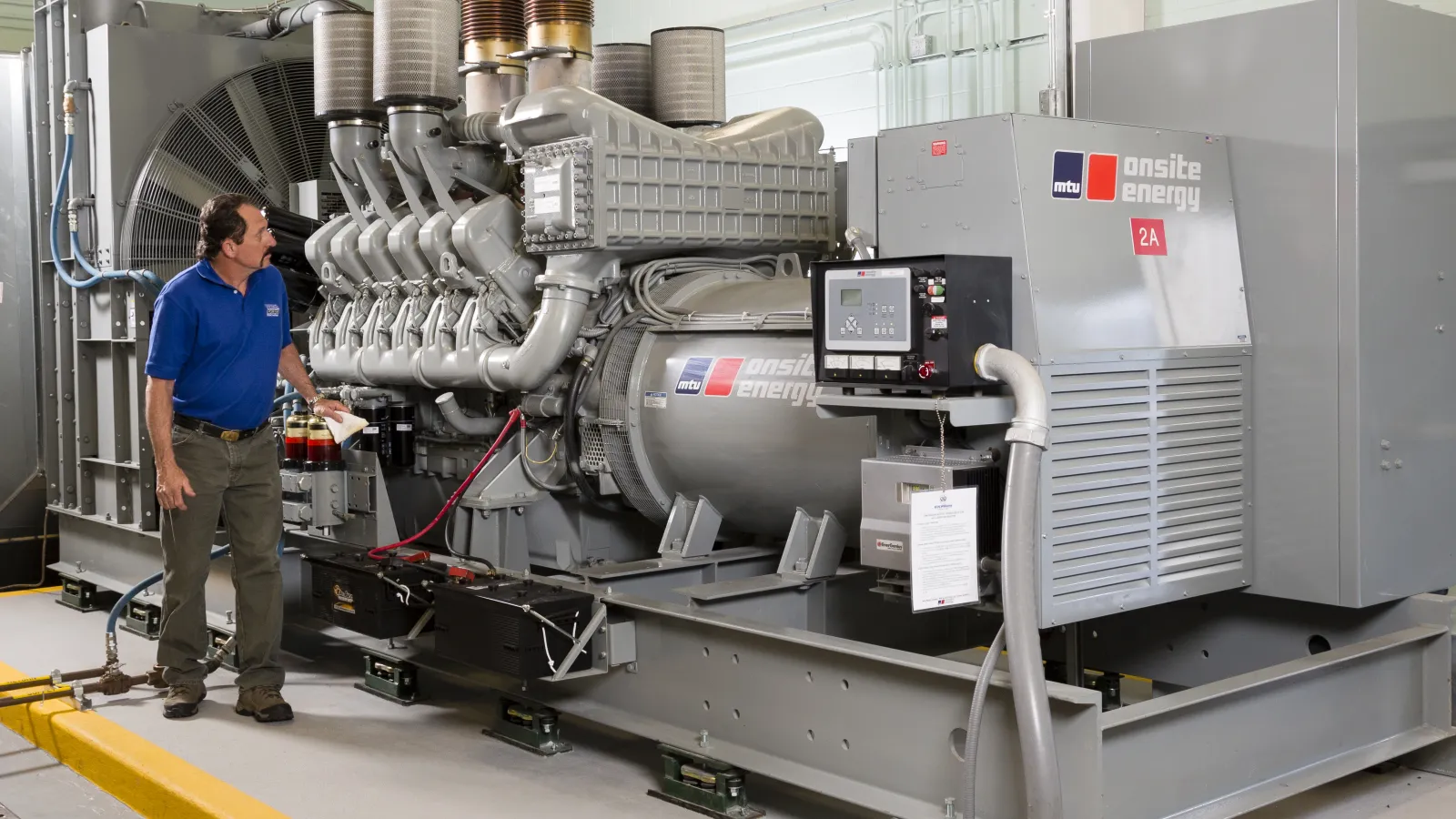
Meets Insurance Requirements
Some insurance policies may require regular load bank testing to maintain coverage for the power supply system.
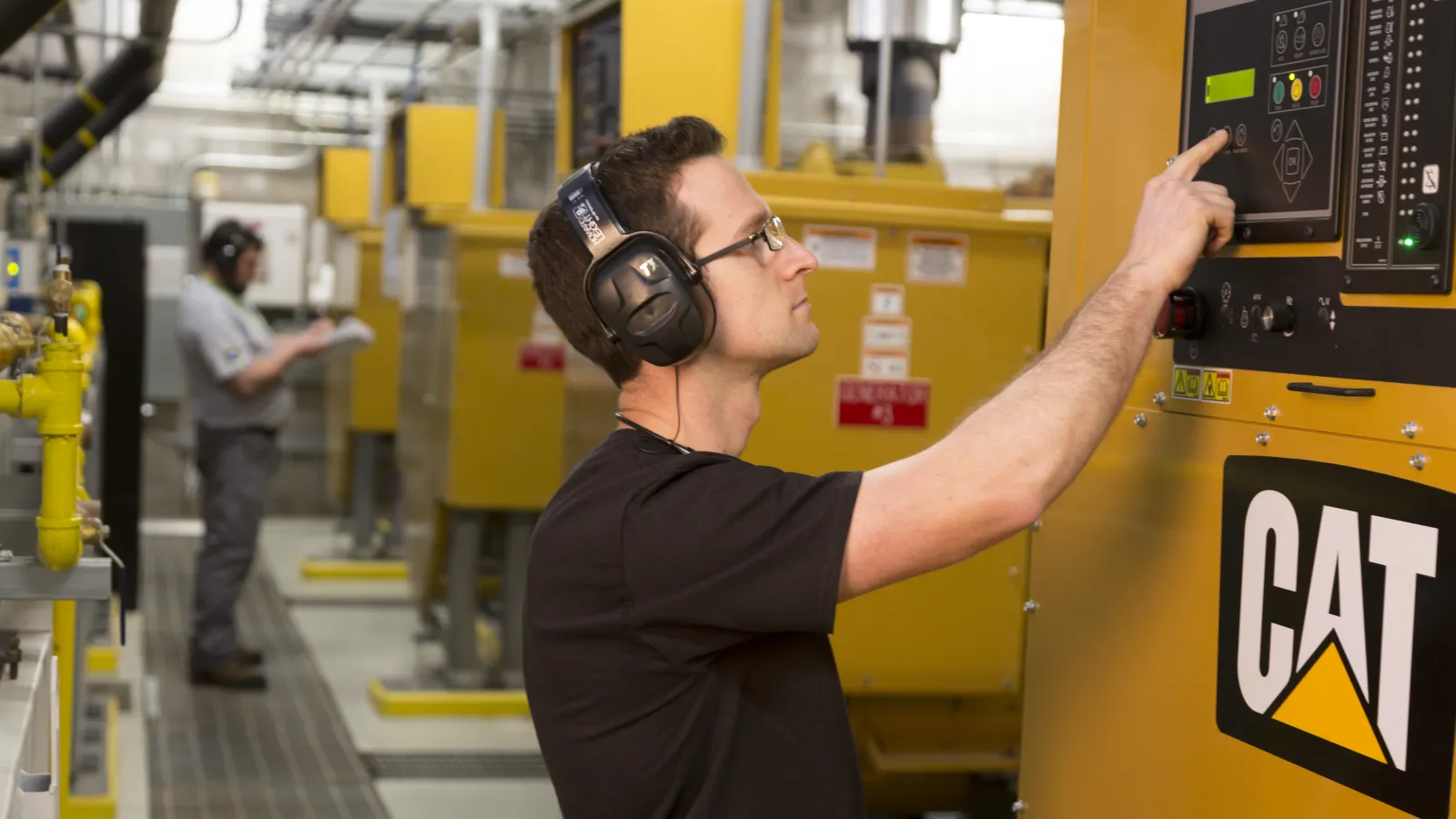
Gives Peace of Mind
Knowing that your emergency power supply system has been thoroughly tested and is functioning properly provides peace of mind to facility managers and stakeholders.
When Should I Perform
Load Bank Testing?

Wet Stacking
Regular testing can extend the life and performance of your EPSS and generator. If your Emergency Power Supply System contains a diesel-powered generator your equipment may develop a condition known as wet stacking.
Wet stacking occurs when unburned diesel fuel escapes the engine's cylinders during the combustion cycle and accumulates in the exhaust pipes.

Unburned Diesel Fuel
Unburned diesel fuel in the exhaust system is a fire hazard.
To prevent this from happening, the generator must be regularly operated under enough load to increase the combustion temperature inside the cylinders to seal the piston rings and burn off any unburned fuel that may have accumulated in the exhaust.
Does your equipment need load banking?